
A lawn aerator is a vital gardening tool for maintaining a healthy, vibrant, and long-lasting lawn. Over time, soil naturally becomes compacted by regular foot traffic, mowing, rain, and general use, limiting the movement of air, water, and essential nutrients into the soil.
This hidden problem often leads to weak grass growth, thinning patches, and poor overall lawn health, even when watering and fertilizing are done correctly. A lawn aerator solves this issue by creating small openings or removing soil plugs, allowing the lawn to “breathe” again and absorb nutrients more efficiently.
This simple yet powerful process helps strengthen root systems, improve soil structure, and encourage thicker, greener grass. Because of its ability to restore balance beneath the surface, lawn aeration is considered one of the most effective practices in professional lawn care and landscaping.
| Section | Key Idea / Summary |
| Lawn Aerator | A tool that creates holes or removes soil plugs to improve soil flow. |
| Soil Compaction | Caused by traffic, machines, rain; blocks air, water, nutrients. |
| Effects of Compaction | Weak roots, poor drainage, patchy grass, and weeds increase. |
| Science Behind Aeration | Boosts oxygen, water movement, root growth, and microbes. |
| Types of Aerators | Spike, core (best), manual, electric, gas-powered. |
| Spike Aerator | Cheap but less effective; may increase compaction. |
| Core Aerator | Removes soil plugs; best for deep soil improvement. |
| Manual Aerator | Simple tool for small lawns; slow but affordable. |
| Electric Aerator | Easy and medium-powered for home use. |
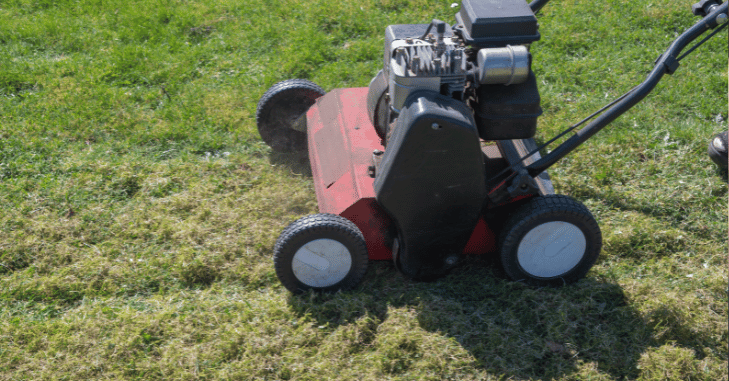
| Gas Aerator | Strong machine for large or commercial lawns. |
| Lawn Types | Cool-season (spring/fall), warm-season (late spring/summer). |
| Aeration Timing | Depends on the grass type and growth season. |
| Step Process | Mow → Water → Aerate → Cross pass → Leave plugs. |
| Cross Pattern | Ensures full coverage and better soil loosening. |
| Post Care | Fertilize, overseed, deep water, and avoid traffic. |
| Fertilizer Boost | Nutrients reach roots faster after aeration. |
| Watering After | Deep watering improves root development. |
| Seasonal Strategy | Spring growth, Summer resistance, Fall repair. |
| Clay Soil | Needs frequent aeration due to high compaction. |
| Sandy Soil | Less aeration is needed due to the loose structure. |
| Loamy Soil | Balanced soil, minimal aeration required. |
| Soil Biology | Improves microbes, decomposition, and nutrient cycling. |
| Common Mistakes | Wrong soil condition, skipping fertilizer, and over-aeration. |
| Myths | Aeration helps grass; it must be regular, and the tools differ. |
| DIY vs Professional | DIY is cheap; professional is faster and more powerful. |
| Environmental Benefits | Saves water, reduces chemicals, improves soil health. |
Lawn Aerator

A lawn aerator is an essential landscaping tool designed to improve the overall health and appearance of grass by addressing one of the most common lawn problems, soil compaction. Over time, soil becomes tightly packed due to foot traffic, mowing, and natural settling, which restricts the flow of air, water, and nutrients to the roots.
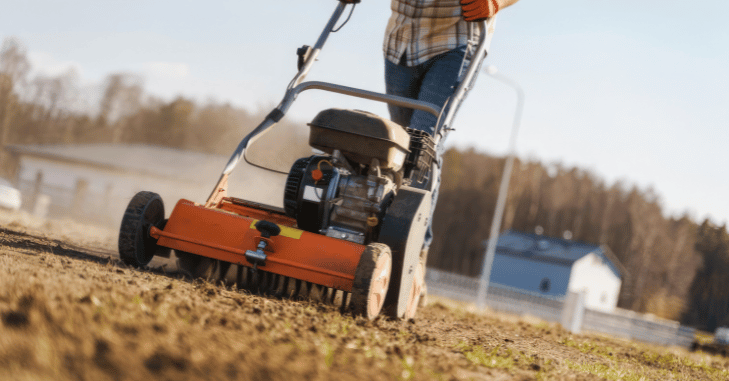
A lawn aerator works by creating small holes or removing plugs of soil, allowing these vital elements to penetrate deeper into the ground. This process encourages stronger root development, improves water absorption, and enhances the effectiveness of fertilizers.
There are different types of aerators, including spike aerators, which poke holes into the soil, and core aerators, which remove small soil plugs for more effective relief of compaction. Regular use of the lawn aerator leads to thicker, greener, and more resilient grass that can better withstand drought, disease, and heavy use.
Understanding Soil Compaction in Lawns
Main Causes
- Heavy foot traffic
- Lawn mowing machines
- Natural settling over time
- Clay-heavy soil types
- Excess watering or rainfall
Effects on Lawn Health
- Weak root development
- Poor drainage
- Patchy or thin grass
- Increased weed growth
- Reduced fertilizer effectiveness
Science Behind Lawn Aeration
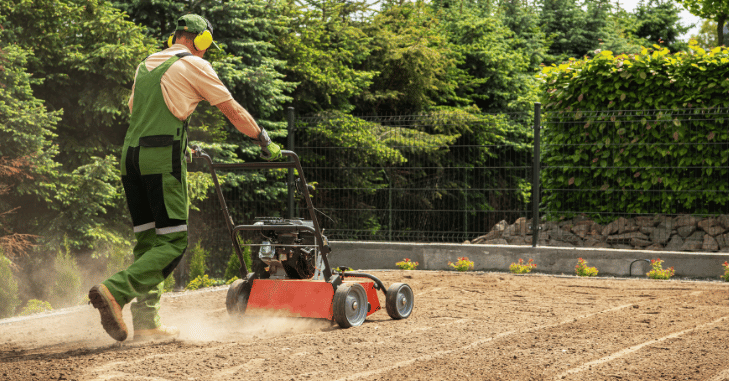
Aeration improves soil structure at both biological and physical levels by breaking up compacted ground and restoring balance in the soil. The process begins when holes are created in compacted soil, allowing oxygen to enter deeper layers that were previously blocked.
As a result, water absorption improves because moisture can move more freely through the loosened soil. This also encourages roots to expand into the newly created spaces, leading to stronger and deeper root systems. At the same time, microorganisms in the soil become more active, supporting natural decomposition and nutrient cycling.
Detailed Types of Lawn Aerators
Spike Aerators
Spike aerators push solid spikes into the soil.
Pros
- Affordable
- Easy to use
- Suitable for light maintenance
Cons
- Can increase surrounding compaction
- Shallow penetration
- Less effective on hard soil
Core (Plug) Aerators
The most effective and widely recommended type. Remove plugs of soil from the ground.
Pros
- Deep soil relief
- Strong long-term improvement
- Better root expansion
Cons
- Heavier equipment
- More effort or cost
- Soil plugs remain on the lawn temporarily
Manual Aerators
Simple hand-operated tools for small areas.
Pros
- Cheap and portable
- No fuel or electricity needed
Cons
- Physically demanding
- Time-consuming
Electric Aerators
Motor-powered tools for convenience.
Pros
- Easy operation
- Faster than manual tools
- Good for medium lawns
Cons
- Limited by the power cord
- Moderate cost
Gas-Powered Aerators
Heavy-duty machines used for large areas.
Pros
- High power
- Fast coverage
- Deep soil penetration
Cons
- Expensive
- Requires maintenance
- Noisy operation
Lawn Types and Aeration Needs
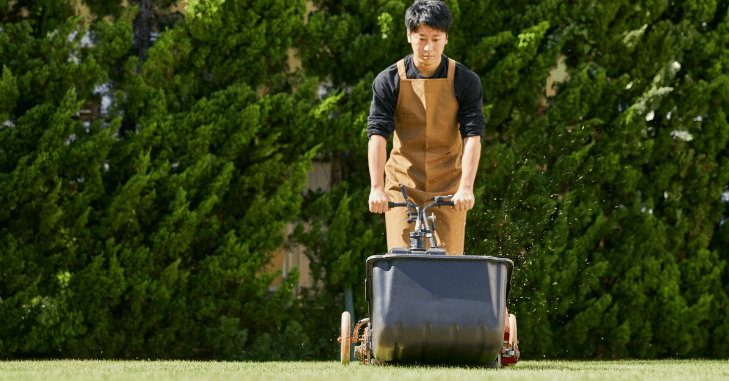
Cool-season grasses such as fescue and Kentucky bluegrass should be aerated in early spring or fall when growing conditions are most favorable. These seasons allow the grass to recover quickly and take full advantage of improved soil conditions.
On the other hand, warm-season grasses like Bermuda and Zoysia respond best to aeration in late spring or early summer, as this is their active growth period. Aerating at the right time for each grass type ensures stronger root development, healthier growth, and better overall lawn performance.
Step-by-Step Lawn Aeration Process
| Action | Description |
| Mow the Lawn | Keep grass slightly short to make aeration easier and more effective. |
| Lightly Water Soil | Moist soil improves aeration effectiveness and allows easier penetration. |
| Run Aerator | Cover the lawn in straight, overlapping lines for even soil treatment. |
| Cross Pattern Pass | Make a second pass at a 90-degree angle for full and uniform coverage. |
| Leave Soil Plugs (if core aeration) | Let soil plugs remain on the lawn as they naturally break down and enrich the soil. |
Post-Aeration Lawn Care
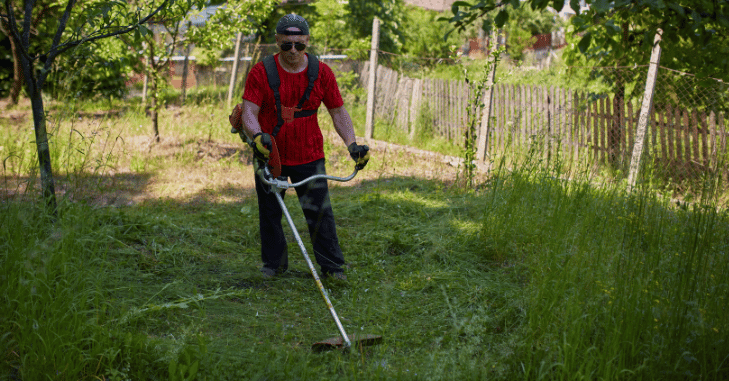
After aeration, your lawn becomes highly absorbent, meaning it can take in water, air, and nutrients much more effectively than before. This is the ideal time to take advantage of improved soil conditions by applying fertilizer immediately so nutrients can reach the root zone quickly.
It is also recommended to overseed bare areas to encourage thicker and more even grass growth. In addition, watering deeply for several days helps support seed germination and root development, while ensuring moisture reaches deeper layers of soil. During this recovery period, it is important to avoid heavy foot traffic so the soil and new grass can stabilize and fully benefit from the aeration process.
Seasonal Aeration Strategy
| Season | Purpose / Benefit |
| Spring | Prepares lawn for active growth |
| Summer | Best for warm-season grasses and improves drought resistance |
| Fall | Most effective for repair and long-term soil improvement |
Soil Types and Aeration Effectiveness
Clay Soil
- Highly compacted
- Needs frequent aeration
Sandy Soil
- Naturally loose
- Requires less frequent aeration
Loamy Soil
- Balanced structure
- Ideal condition, minimal aeration needed
Soil Biology and Aeration
Aeration supports underground ecosystems by:
- Increasing beneficial microbes
- Improving decomposition of organic matter
- Enhancing nutrient cycling
- Reducing harmful fungal growth
Watering After Aeration
Proper watering is critical:
- Deep watering encourages root growth
- Avoid frequent shallow watering
- Helps nutrients move deeper into the soil
Fertilizer Efficiency After Aeration

Aeration improves fertilizer performance by making the soil more open and receptive to nutrients. It reduces runoff by allowing water and fertilizer to penetrate the ground instead of washing away from the surface.
At the same time, it enhances absorption by loosening compacted soil, which helps nutrients move deeper into the root zone. As a result, fertilizers become more effective because they are delivered directly to the roots, where they are needed most for healthy and strong grass growth.
Common Myths About Lawn Aeration
| Myth | Reality |
| Aeration damages the grass | It improves long-term lawn health |
| One-time aeration is enough | Regular aeration is necessary |
| All aerators work the same | Core aerators are far more effective than spike tools |
Mistakes to Avoid
Common mistakes in lawn aeration can significantly reduce its effectiveness and even harm your lawn instead of improving it. One major mistake is aerating dry or hard soil, which makes it difficult for the aerator to penetrate properly and limits the benefits of the process.
Another error is using spike aerators on clay soil, as this can actually increase compaction rather than relieve it. Many people also make the mistake of skipping fertilization afterward, missing the opportunity to take advantage of the soil’s improved ability to absorb nutrients. Over-aerating too frequently is another problem, as it can stress the grass and weaken the turf over time.
DIY vs Professional Aeration
DIY
- Affordable
- Best for small lawns
- Requires effort
Professional
- Fast and efficient
- Ideal for large lawns
- Uses advanced equipment
Long-Term Benefits of Aeration
Regular aeration leads to a range of long-term benefits that significantly improve overall lawn health. It helps create thicker and greener lawns by allowing grass to grow more densely and evenly across the soil surface. At the same time, it promotes strong root systems by giving roots the space and oxygen they need to grow deeper and more firmly anchored in the soil.
This deeper root growth also enhances drought resistance, enabling the lawn to stay healthier for longer periods without frequent watering. In addition, aeration reduces the chances of weeds and diseases by improving soil conditions that discourage their spread.
Environmental Benefits

Aeration supports eco-friendly lawn care by:
- Reducing chemical fertilizer use
- Improving natural soil fertility
- Saving water through better absorption
- Supporting healthy soil ecosystems
Conclusion
In conclusion, a lawn aerator is one of the most effective and essential tools in modern lawn care, playing a crucial role in restoring and maintaining healthy soil conditions. By breaking up compacted soil and improving the movement of air, water, and nutrients, it directly addresses the hidden problems that weaken grass growth over time.
Regular aeration not only strengthens root systems but also enhances soil structure, leading to thicker, greener, and more resilient lawns. When combined with proper watering, fertilization, and seasonal care, lawn aeration transforms an ordinary yard into a vibrant, long-lasting, and professionally maintained landscape.
Want to know about The Ultimate Sewer Line Clean Out Guide: Function, Design, Maintenance, and Long-Term Cost Savings Check out our New Construction Homes category.
FAQs
A lawn aerator is used to reduce soil compaction and improve the flow of air, water, and nutrients to the grass roots.
Most lawns should be aerated once a year, but heavily used or clay soils may need it twice a year.
Core (plug) aerators are the most effective because they remove soil plugs and improve deep soil health.
Cool-season grasses are best aerated in spring or fall, while warm-season grasses do better in late spring or summer.
Yes, it significantly improves root strength, nutrient absorption, and overall lawn thickness and color.