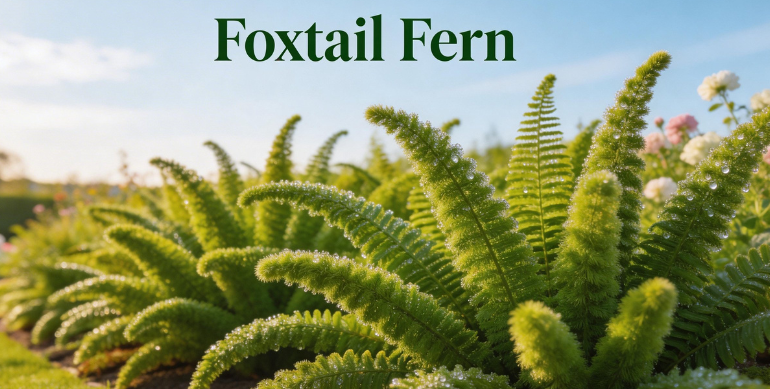
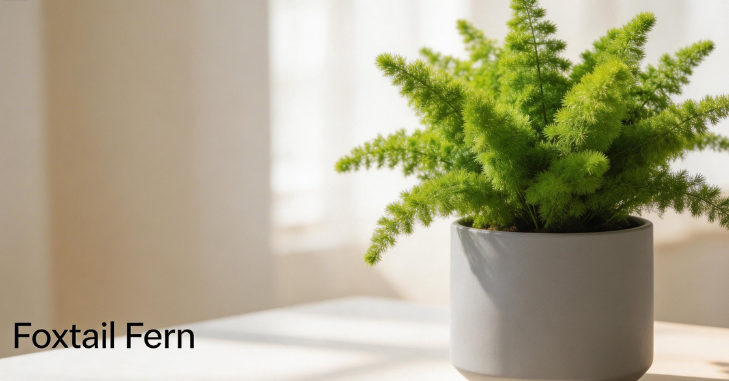
The Foxtail Fern is a distinctive and attractive ornamental plant known for its soft, plume-like foliage and elegant, bushy appearance. Despite its name, it is not a true fern but belongs to the asparagus family, making it both unique and versatile.
Its bright green, feathery stems resemble a fox’s tail, giving the plant its characteristic look and making it a popular choice for gardens, indoor décor, and landscaping.
With its resilience, adaptability, and low-maintenance requirements, this is ideal for both beginner and experienced gardeners, offering beauty and greenery in a wide range of environments.
In addition to its visual appeal, this plant is highly valued for its ability to thrive in different conditions with minimal care. It can be grown both indoors and outdoors, making it suitable for a range of spaces, from small apartments to large gardens.
Its long-lasting greenery and easy upkeep make it a reliable choice for anyone looking to enhance their surroundings with natural elegance.
| Section | Key Points |
| Introduction | Unique, ornamental, low-maintenance |
| Foliage Structure | Plume-like, soft texture |
| Growth Pattern | Clumping, bushy growth |
| Flowers & Fruits | Small flowers, toxic berries |
| Origin | South Africa habitat |
| Adaptation | Drought-tolerant roots |
| Cultivation | Global, indoor-outdoor |
| Soil & Sunlight | Well-drained, partial sun |
| Water & Climate | Moderate water, warm climate |
| Care Tips | Pruning, feeding, pest control |
| Uses | Landscaping, décor, containers |
| Benefits | Aesthetic, low care, air quality |
| Conclusion | Resilient, versatile plant |
Foxtail Fern
The Foxtail Fern is a unique, visually striking ornamental plant widely appreciated for its soft, plume-like foliage and elegant structure. Despite its name, it is not a true fern but a member of the asparagus family.
Its attractive, bushy appearance and low-maintenance nature make it a popular choice for gardens, indoor decoration, and landscaping projects.
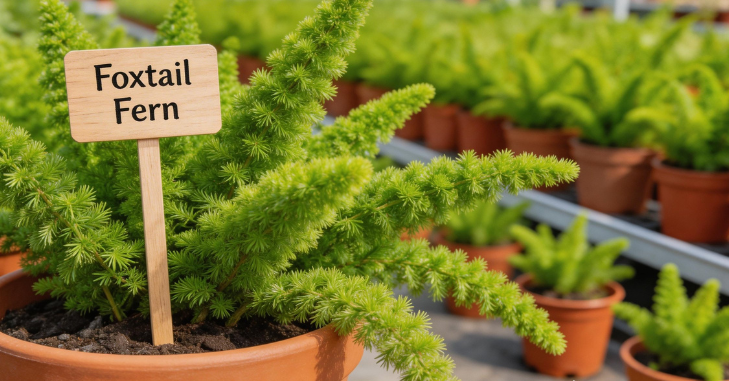
The plant gets its name from its distinctive stems that resemble a fox’s tail, thick, upright, and covered in soft, needle-like leaves. These lush green plumes create a feathery texture that adds depth and beauty to any space. Because of its resilience and adaptability, this is favored by both beginner and experienced gardeners.
Appearance and Characteristics
Unique Foliage Structure
The most notable feature of the fern is its unusual foliage. Instead of traditional flat fern leaves, it has dense, cylindrical plumes that grow upright and curve gracefully. These plumes are composed of tiny, needle-like leaves that give the plant a soft, fluffy appearance.
The stems are bright green and can grow in clusters, creating a full and bushy look. This distinctive structure makes the plant highly decorative and suitable for modern landscaping designs.
Growth Pattern and Size
Foxtail Ferns typically grow in clumps and can reach a height of about 2 to 3 feet, with a similar spread. In ideal conditions, they can grow even larger, forming dense mounds of greenery.
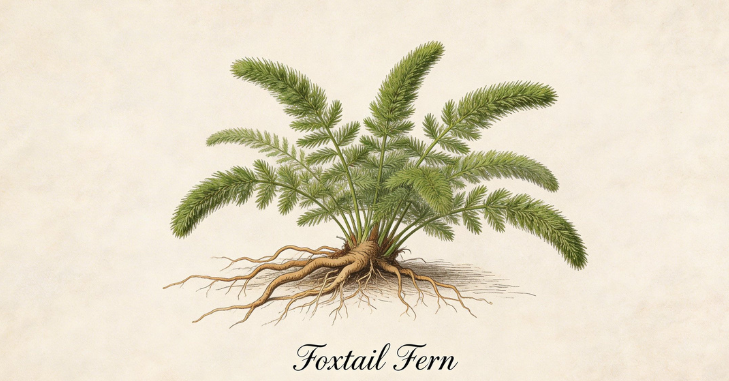
The plant grows from underground tuberous roots, which store water and nutrients. This adaptation allows it to survive dry conditions, making it relatively drought-tolerant compared to many other ornamental plants.
Flowers and Fruits
Although the fern is primarily grown for its foliage, it does produce small white flowers. These flowers are not particularly showy and often go unnoticed among the dense greenery. After flowering, the plant may produce small red berries.
It is important to note that these berries are toxic to humans and pets, so care should be taken when growing the plant in areas accessible to them.
Origin and Natural Habitat
- Native Region: The Foxtail Fern is native to the coastal areas of South Africa. In its natural habitat, it grows in sandy soils, rocky slopes, and coastal dunes where the climate is warm and relatively dry.
- Adaptation to Environment: In its native environment, the plant has adapted to survive in challenging conditions. Its tuberous root system stores water, enabling it to withstand drought. This adaptation makes it highly resilient and suitable for various climates around the world.
- Global Cultivation: Today, the fern is widely cultivated in tropical and subtropical regions worldwide. It is commonly found in home gardens, public parks, and indoor plant collections. Its adaptability to both outdoor and indoor environments has contributed to its global popularity.
Growing Conditions
Foxtail ferns thrive in well-drained, nutrient-rich soil, with sandy or loamy textures being ideal, as they do not tolerate waterlogged conditions; adding compost or organic fertilizer helps improve soil fertility and growth. They grow best in partial shade to full sun, tolerating more direct sunlight in cooler climates while needing some shade in hotter regions to prevent leaf burn.
Indoors, they prefer bright, indirect light near windows. These plants require moderate watering. Although drought-tolerant due to their storage roots, they still need consistent moisture, with care taken to avoid overwatering and to allow the soil to dry slightly between sessions.
Ferns prefer warm temperatures between 15°C and 30°C, are sensitive to frost, and should be protected or moved indoors in colder climates, especially during harsh winters.
Care and Maintenance
Pruning and Grooming
Regular pruning helps maintain the plant’s shape and encourages fresh growth. Dry, yellowing, or damaged stems should be removed to keep the plant looking healthy and attractive. Pruning also improves air circulation within the plant, reducing the risk of pests and disease.
Fertilization
Foxtail Ferns benefit from light fertilization during the growing season. A balanced liquid fertilizer or organic compost can be applied every few weeks to promote lush growth. Over-fertilization should be avoided, as it can damage the plant’s delicate root system.
Pest and Disease Control
This plant is generally pest-resistant, but it can occasionally be affected by spider mites or mealybugs. Regular inspection helps in early detection and treatment.
Natural insecticidal soap or neem oil can be used to control infestations. Proper watering and air circulation also help prevent fungal issues.
Indoor Care Tips
When grown indoors, Foxtail Ferns should be placed in bright, indirect light. Rotating the plant occasionally ensures even growth.
Humidity levels should be kept moderate, especially in dry indoor environments, to keep foliage healthy and vibrant.
Uses of Foxtail Fer
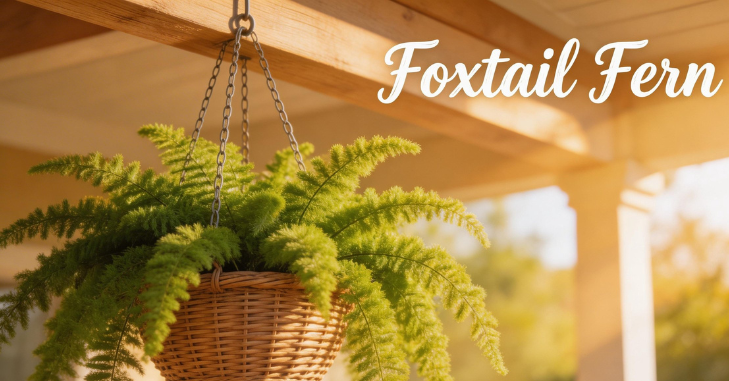
This plant is also popular as an indoor ornamental plant. It adds a refreshing natural touch to living rooms, offices, and indoor spaces. Its low-maintenance nature makes it ideal for home decoration.
- Container Gardening: Foxtail Ferns grow well in pots and containers, making them suitable for patios, balconies, and small gardens. Container gardening allows easy mobility and better control of soil and water conditions.
Benefits
Aesthetic Value
The Foxtail Fern enhances any space with its soft, feathery foliage and vibrant green color. It adds elegance and structure to both indoor and outdoor environments.
Low Maintenance Nature
One of its biggest advantages is its low maintenance requirement. It does not need frequent watering or complex care routines, making it ideal for beginners.
Air Purification
Like many green plants, Foxtail Fern helps improve air quality by absorbing toxins and releasing oxygen, contributing to a healthier environment.
Conclusion
The Foxtail Fern is a beautiful, versatile, and easy-to-maintain plant that enhances indoor and outdoor spaces alike. Its unique appearance, adaptability, and low maintenance needs make it a favorite among gardeners and plant enthusiasts.
From its origins in South Africa to its global popularity today, the fern continues to be admired for its elegance and resilience. With proper care, it can thrive for many years, bringing lasting greenery, freshness, and natural beauty to any environment.
Want to know about Summer Kitchen: All You Need To Know About History & Evolution, Benefits, Types, Design & Layout Ideas, And Much More Check out our Vacation Homes category.
FAQs
Plants perform best in organically rich, consistently moist but well-drained soils in part shade (bright indirect light or filtered sun). Avoid direct hot afternoon sun, as it may cause the leaves to yellow. Tolerates full shade, but foliage may turn a lighter green.
With its unique appearance and hardy nature, it makes a perfect addition to both indoor spaces and outdoor gardens. Whether you’re growing it in a pot or planting it in the ground, the foxtail fern is a low-maintenance beauty that thrives with the right care.
Foxtail Fern does best in bright and indirect sunlight and generally prefers filtered shade. Put it by a window where it will get a gentle ray, but not direct, more specifically, scorching afternoon sun. The perfect location will be an east-facing window where the plant has the morning sun.