Maintaining a healthy, attractive lawn requires consistent care, as one of the biggest challenges homeowners face is the growth of unwanted plants, or lawn weeds. These weeds naturally invade grass areas where they are not intentionally planted and compete with turf for essential resources such as water, nutrients, sunlight, and space.
Over time, they can weaken the lawn, create uneven patches, and reduce its overall beauty. Understanding lawn weeds in detail, including their types, growth causes, seasonal behavior, effects on lawn health, and control methods,is essential for effective lawn management.
With proper knowledge and maintenance practices, it is possible to prevent weed infestation and maintain a lush, green, and healthy lawn year-round.
| Aspect | Details |
| Lawn Weeds | Unwanted plants that grow in lawns and compete with grass for resources |
| Main Types | Broadleaf weeds, grassy weeds, and sedges |
| Common Examples | Dandelions, clover, crabgrass, quackgrass, nutsedge |
| Causes of Growth | Poor lawn care, soil imbalance, improper watering, contaminated seeds |
| Effects on Lawn | Weak grass growth, uneven patches, reduced appearance, pest attraction |
| Seasonal Growth | Spring (active germination), Summer (rapid spread), Autumn (slow growth), Winter (dormancy) |
| Prevention Methods | Proper mowing, fertilization, watering, and pre-emergent herbicides |
| Natural Control | Hand pulling, vinegar, boiling water, and mulching |
| Chemical Control | Selective and non-selective herbicides (pre- and post-emergent) |
| Lawn Care Practices | Aeration, overseeding, regular maintenance, and debris removal |
| Key Goal | Maintain a healthy, dense, and weed-free lawn. |
What Are Lawn Weeds?
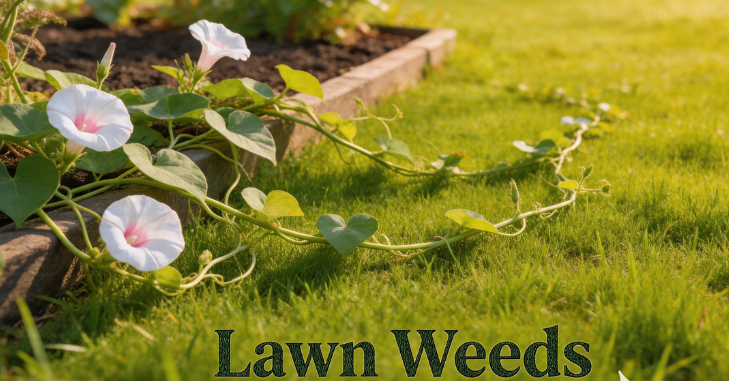
Lawn weeds are plants that grow naturally in unwanted areas, especially in grass lawns where they are not intentionally planted. They are often highly adaptable and resilient, allowing them to survive in diverse soil conditions and climates. Unlike grass, weeds usually grow faster and spread aggressively, making them difficult to control once established.
Weeds are generally categorized into three main types: broadleaf weeds, grassy weeds, and sedges. Each type has distinct characteristics and growth patterns. While some weeds are harmless in small quantities, most become problematic when they start competing with grass for essential resources. Their presence can weaken turf, create uneven patches, and diminish the lawn’s visual appeal.
Common Types of Lawn Weeds
Broadleaf Weeds
Broadleaf weeds are one of the most noticeable types due to their wide leaves and distinct shapes. Examples include dandelions, clover, chickweed, and plantain. These weeds often produce flowers and seeds that spread quickly through wind or animals. Dandelions, for instance, are known for their bright yellow flowers that turn into fluffy seed heads, allowing them to spread easily across large areas.
Grassy Weeds
Grassy weeds closely resemble lawn grass, making them harder to identify. Examples include crabgrass and quackgrass. These weeds grow rapidly and often blend into regular turf, allowing them to go unnoticed until they have spread significantly. Crabgrass, in particular, thrives in hot summer conditions and spreads aggressively if not controlled early.
Sedges
Sedges are grass-like weeds that usually grow in moist or poorly drained soil. Their triangular stems and faster growth often distinguish them from normal grass. Nutsedge is a common weed and is considered one of the most difficult to control due to its underground tubers, which allow it to regrow quickly.
Causes of Lawn Weed Growth
Lawn weeds do not appear randomly; specific environmental and maintenance conditions usually trigger their growth. One of the main causes is poor lawn care practices. When grass is not cut regularly or is cut too short, it becomes weak and allows weeds to take over.
Another major cause is soil imbalance. Soil that lacks essential nutrients or has an incorrect pH creates an environment where grass struggles to grow, while weeds thrive. Compacted soil is another factor, as it prevents grass roots from growing deeply, making the lawn vulnerable to weed invasion.
Watering habits also play an important role. Overwatering creates damp conditions that favor weed growth, while underwatering weakens grass, giving weeds a competitive advantage. Additionally, weed seeds can be introduced through wind, birds, animals, or contaminated soil and fertilizers.
Effects of Weeds on Lawn Health
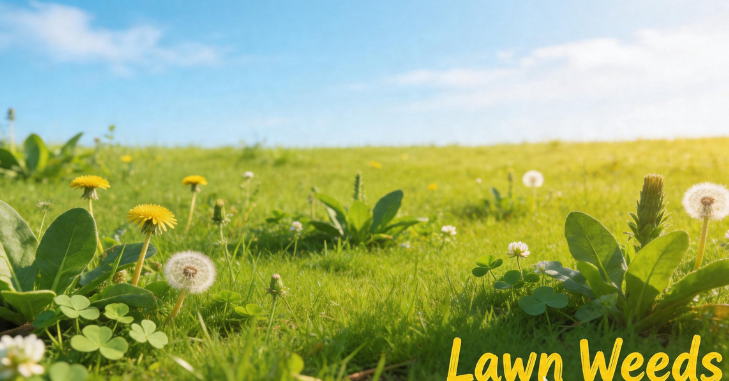
- Weeds have several negative impacts on lawn health. The most significant effect is competition for resources. Weeds absorb nutrients, water, and sunlight that are essential for grass growth, resulting in weak, patchy lawns.
- They also affect a lawn’s aesthetic value. A weed-infested lawn appears unkempt and uneven, reducing its visual appeal. In some cases, weeds can even produce allergens or irritants that affect people with sensitivities.
- Another serious effect is that weeds can encourage pests and diseases. Dense weed growth creates hiding spaces for insects and harmful organisms that can further damage grass. Over time, this can lead to long-term deterioration in lawn quality if not properly controlled.
Seasonal Growth Patterns of Lawn Weeds
Weeds behave differently depending on the season, and understanding their growth cycles is crucial for effective control.
Spring Growth
Spring is a major growth period for many types of weeds. As temperatures rise and rainfall increases, weed seeds begin to germinate. Broadleaf weeds like dandelions and chickweed are especially active during this season. Early spring intervention is important to prevent long-term infestation.
Summer Growth
During summer, warm-season weeds such as crabgrass thrive. These weeds grow rapidly in hot conditions and spread aggressively if lawns are not properly maintained. Heat stress on grass also makes it easier for weeds to take over.
Autumn Growth
In autumn, cooler temperatures slow down grass growth, but some weeds continue to grow. This season is often a critical time for weed control treatments, as it helps prevent weeds from surviving through winter and reappearing in spring.
Winter Dormancy
In winter, most weeds enter a dormant phase due to cold temperatures. However, their seeds remain in the soil, waiting for favorable conditions to grow again. This underscores the importance of year-round prevention, even when weeds are not visible.
Methods of Preventing Lawn Weeds
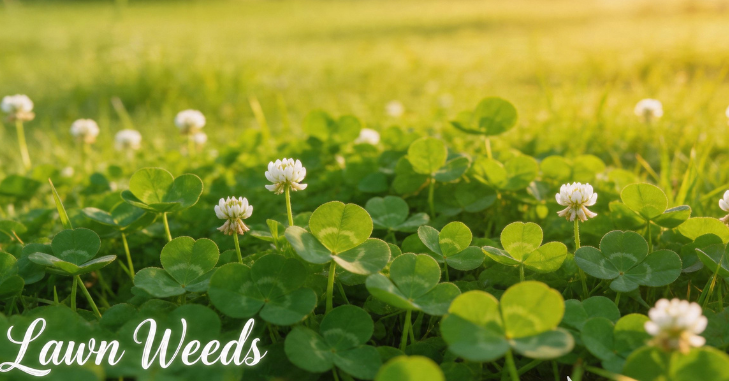
Prevention is the most effective strategy for controlling lawn weeds. A healthy lawn naturally resists weed growth by forming a dense canopy that blocks sunlight from reaching weed seeds.
Proper mowing is essential. Grass should be cut at the recommended height to ensure it remains strong and competitive. Watering deeply but less frequently encourages deep root growth in grass, making it more resistant to weeds.
Fertilization also plays an important role. A well-fed lawn grows thicker, reducing space for weeds to establish. Additionally, applying pre-emergent herbicides can prevent weed seeds from germinating in the first place.
Natural Remedies for Weed Control
- Many homeowners prefer natural methods for controlling lawn weeds. One common approach is manual removal, in which weeds are pulled by hand or with tools. This is effective for small infestations.
- Another method involves using household solutions like vinegar or boiling water, which can kill weeds on contact. Mulching is also useful, as it blocks sunlight and prevents weed growth in garden areas.
- These natural methods are environmentally friendly and safe for pets and children, but they may require consistent effort for long-term effectiveness.
Chemical Weed Control Solutions
In cases of severe weed infestation, chemical herbicides are often used. Selective herbicides target specific weed types without harming grass, while non-selective herbicides kill all plant life in treated areas.
Pre-emergent herbicides are applied before weed seeds germinate, making them highly effective at preventing weed growth. Post-emergent herbicides are used after weeds have already appeared.
While chemical treatments are effective, they should be used carefully and according to instructions to avoid damaging the lawn or the surrounding environment.
Lawn Care Practices to Reduce Weeds
- Consistent lawn maintenance is the key to long-term weed control. Regular mowing, proper watering, and seasonal fertilization help maintain strong grass growth. Aerating the soil improves oxygen flow and allows roots to grow deeper, reducing weed competition.
- Overseeding thin areas of the lawn also helps fill gaps where weeds might grow. Keeping the lawn free of debris and fallen seeds further reduces the risk of weed infestation.
Importance of Regular Lawn Maintenance
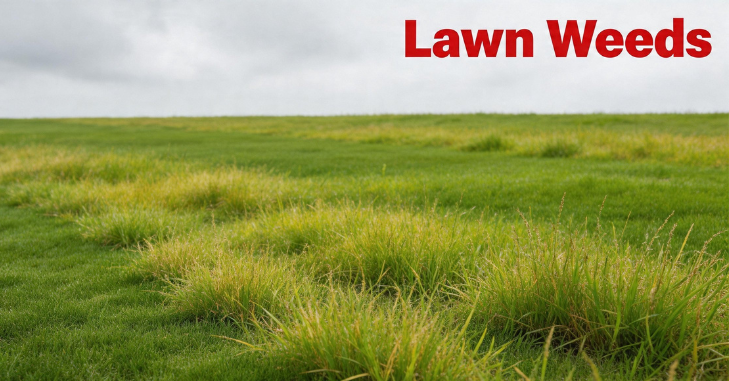
Regular maintenance is essential for preventing weed problems before they start. A well-maintained lawn is more resistant to weeds because healthy grass naturally outcompetes unwanted plants. Routine care also helps identify early signs of weed growth, allowing for quick action before the problem becomes severe.
Neglecting lawn care leads to weakened grass, soil imbalance, and increased weed spread. Therefore, consistent maintenance is not just about appearance but also about long-term lawn health and sustainability.
Conclusion
In conclusion, lawn weeds are a common yet manageable issue that can significantly impact the health and appearance of any lawn if left untreated. By understanding what lawn weeds are, recognizing their different types, and identifying the causes behind their growth, homeowners can take proactive steps to control and prevent them.
Awareness of their seasonal patterns further helps in applying the right treatments at the right time. Whether through proper lawn care practices, natural remedies, or chemical solutions, consistent effort is the key to maintaining control over weed growth.
Ultimately, a well-maintained lawn not only resists weeds more effectively but also enhances the overall beauty, health, and long-term sustainability of the outdoor space.
Want to know about How Much Does Tree Removal Cost? Comprehensive Guide on Pricing, Equipment, Safety, and Expert Tips for Homeowners Check out our Condos & Townhomes category.
FAQs
The best way to stay ahead of garden weeds is to stop them before they become seeds. If you stop weed seeds from sprouting, they won’t grow, so you won’t have to pull them. Apply a pre-emergent herbicide only in early spring and summer. Learn more about weed control products.
Weeds come in all shapes, sizes, and colors. They can often be split into two categories: broadleaf weeds and grassy weeds. Identifying which kind is plaguing your lawn can help you determine the course of action to rid your lawn of the plants that ruin that carpet-like appearance.
By competing for nutrients, water, and sunlight, weeds weaken your grass, leading to patchy areas and making your lawn more vulnerable to further invasion. Some weeds even attract pests or drain essential nutrients from the soil, affecting overall lawn health.
2,4-D is the more common selective herbicide. Using it properly poses minimal risk and is extremely effective at killing weeds without harming your grass. Selective herbicides work by entering the weed’s leaves and altering the way the plant handles nutrients.