Home Generator Installation
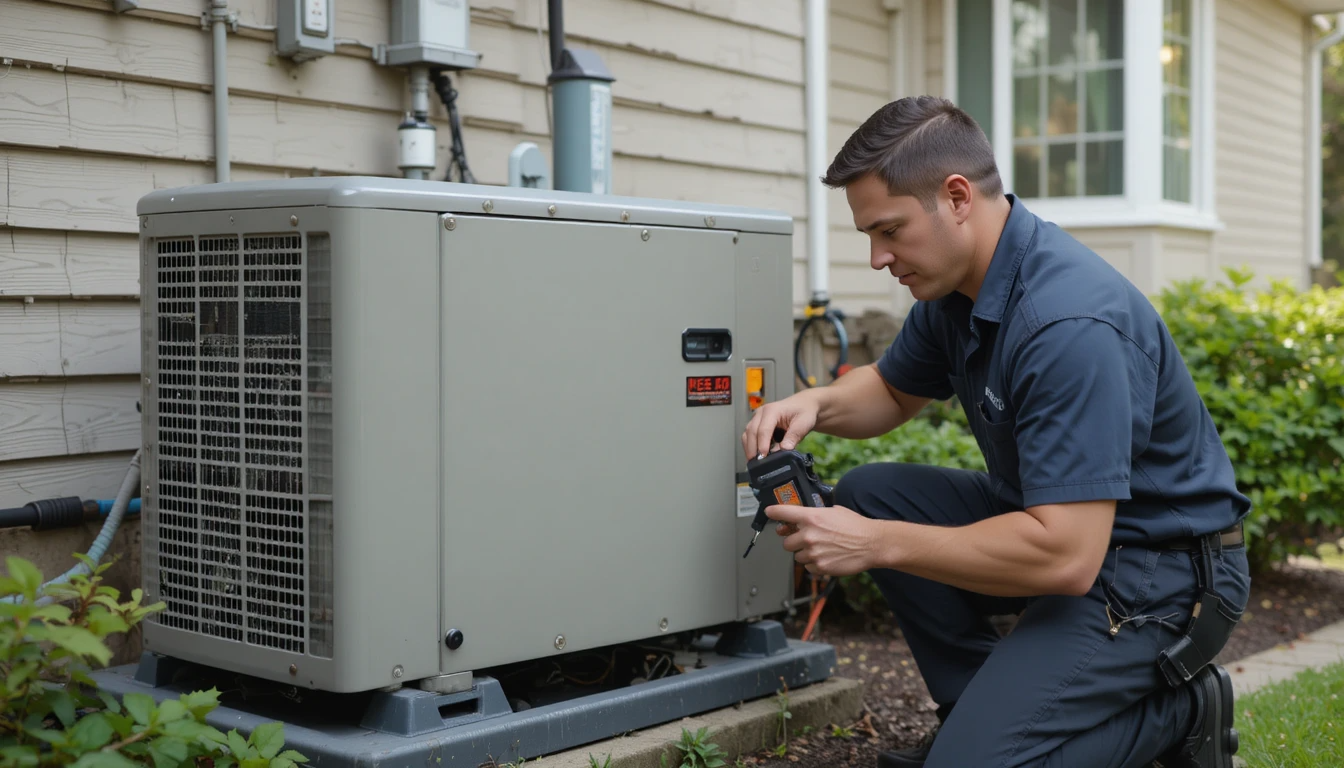
Home generator installation is essential for ensuring reliable power during outages. It involves selecting the right generator type, assessing power needs, and installing crucial components like transfer switches. Proper generator installation requires tools such as wire strippers and voltage testers, along with obtaining necessary permits.
Choosing a safe location and regular maintenance are vital for efficiency and safety. This process helps protect your home and guarantees a steady power supply when utility electricity fails, making generator installation a valuable investment for every household.
| Basics | Details |
| Transfer Switches | Switch power safely, manual or automatic. |
| Tools Needed | Wire strippers, screwdrivers, pliers, testers. |
| Power Needs | Calculate wattage for essentials. |
| Generator Types | Portable vs. standby; consider use and budget. |
| Permits | Required for legal installation. |
| Professional Install | Ensures safety and code compliance. |
| Testing & Maintenance | Regular checks for reliability. |
| Location | Outdoors, flat, away from vents/windows. |
| Maintenance | Prevents breakdowns, extends life. |
| Safety | Use protective gear; follow codes. |
| Auto Switch | Smooth power transfer during outages. |
| Efficiency | Proper setup optimizes performance. |
| Costs | The right size saves money. |
| Wiring Integration | Prevents damage, ensures steady power. |
| Emergency Ready | Guarantees backup power. |
| Expert Support | Ensures reliable installation and upkeep. |
Understanding Transfer Switches
A transfer switch is vital in home generator installation, safely switching power sources between the utility and generator. It prevents dangerous backfeeding that can harm utility workers or damage home wiring. Transfer switches come in manual or automatic types, with automatic ones providing smooth, seamless power changes during outages. Proper installation and maintenance of transfer switches are critical to ensuring a safe, reliable, and efficient backup power system for your home.
Tools Required
- For successful generator installation, several essential tools are required.
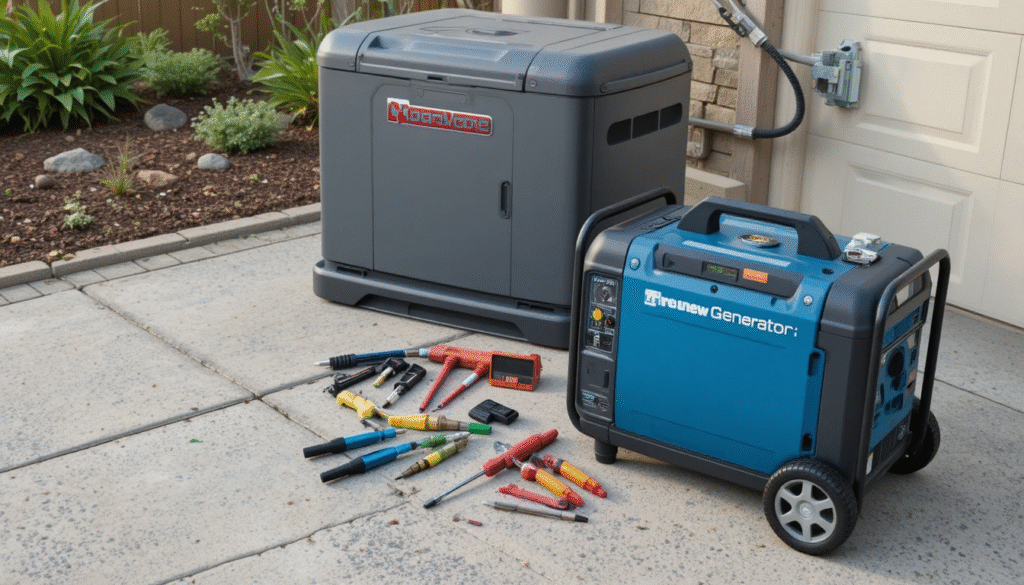
- These include wire strippers, screwdrivers, pliers, voltage testers, drills, and conduit benders.
- A multimeter is also vital for checking electrical connections and ensuring safety.
- Additionally, protective gear like gloves and safety glasses is necessary.
- Having the right tools helps ensure precise wiring, secure mounting, and safe handling, making the installation process efficient and compliant with electrical standards.
Home Generator Installation: A Follow-Up Process
Step 1: Assess Power Needs
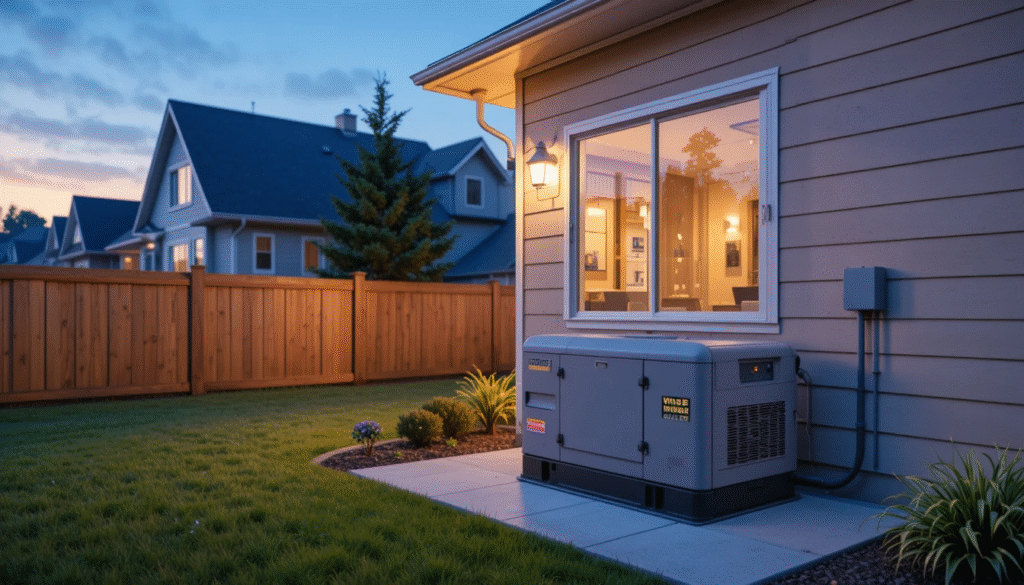
Before starting generator installation, carefully evaluate which appliances and systems need backup power. Calculate the total wattage required to run essential devices during an outage. This ensures you select the correct generator size for your home, preventing overspending on a too-large generator or insufficient power from a smaller unit. Accurate assessment is the foundation for a successful installation.
Step 2: Choose Generator Type
Installation requires choosing between portable and standby generators. Portable units are more affordable and flexible but require manual operation. Standby generators are permanently installed, automatically powering your home during outages. Consider your budget, convenience, and how often you expect to use the generator. Choosing the right type simplifies operation and meets your home’s energy needs effectively.
Step 3: Obtain Permits

Obtaining necessary permits is a crucial part of home generator installation. Many local governments require permits for electrical work, including installing generators. Following this legal step ensures that your installation meets safety and building codes. Skipping permits can lead to fines or forced removal of equipment. Contact local authorities or hire professionals to handle permits properly to ensure a smooth and compliant installation process.
Step 4: Professional Installation
Professional electricians should perform generator installation for safety and compliance. Proper wiring and the correct installation of a transfer switch prevent backfeeding, which can be dangerous. Certified experts ensure all connections meet electrical codes and that the generator works seamlessly with your home’s power system. This reduces the risks of fires or damage and guarantees a reliable power supply during outages, protecting your home and family.
Step 5: Test and Maintain
After completing home generator installation, thorough testing is essential to verify proper operation. Regular maintenance is required, including checking oil levels, filters, and battery condition. Scheduling routine inspections keeps your generator in top condition, avoiding failures during emergencies. Maintenance extends the generator’s life and ensures consistent performance when you need it most. Reliable upkeep is key for peace of mind during power outages.

Choosing the Best Location for Your Generator
- When planning generator installation, choosing the correct location outdoors is critical.
- Place the generator on a stable, flat surface, away from windows, doors, or vents to prevent carbon monoxide poisoning risks.
- Also, consider noise levels, ease of access for repairs, and proper ventilation.
- Generator installation ensures continuous power during outages, enhancing safety, comfort, and household efficiency.
- Good siting enhances safety, generator efficiency, and durability, helping maintain the system’s performance and protecting your household from potential hazards.
Importance of Regular Maintenance
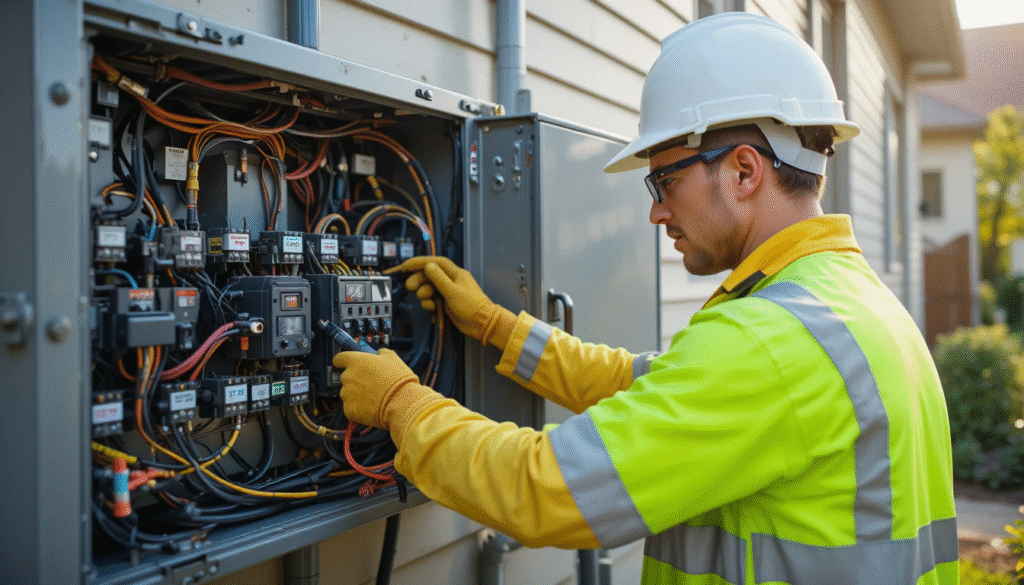
Regular maintenance after home generator installation ensures your system stays reliable and ready for power outages. This includes oil and filter changes, fuel checks, and battery inspections. Neglecting upkeep can cause breakdowns and costly repairs. Many companies offer service plans to simplify maintenance. Keeping your generator in optimal condition means dependable power during emergencies, extending its lifespan, and giving you peace of mind when electricity is interrupted.
Fuel Options and Long-Term Reliability
Another important factor to consider during home generator installation is the choice of fuel source. Generators can operate on natural gas, propane, diesel, or gasoline, and each option offers different advantages in terms of availability, storage, and long-term reliability. Natural gas systems provide a continuous fuel supply through utility lines, while propane offers longer shelf life and cleaner combustion.
Evaluating fuel availability in your area and expected outage durations can help homeowners select a system that delivers dependable performance during emergencies. Choosing the right fuel source also contributes to lower operating costs and improved generator efficiency over time.
Conclusion
Home generator installation is key to maintaining power during outages, ensuring safety and efficiency. Proper planning, professional setup, and regular maintenance extend the generator’s life and protect your home. By choosing the right equipment and following safety guidelines, you can enjoy reliable backup power, peace of mind, and avoid costly repairs or hazards. A well-executed home generator installation is an innovative, long-term solution for uninterrupted electricity in any emergency.
Want to know about AC Compressor Cost: A Comprehensive Guide to Pricing, Factors Affecting Expenses, Repair vs. Replacement, and Money-Saving Tips for Homeowners Check out our Home for Sale category.
FAQs
A transfer switch safely shifts power between the utility and generator, preventing backfeed that can harm workers or damage home wiring, ensuring seamless and secure power transition.
Professional electricians guarantee correct wiring and transfer switch setup, meeting electrical codes and preventing hazards, ensuring your generator operates safely and reliably during power outages.
Placing the generator outdoors on a flat surface away from vents and windows reduces risks like carbon monoxide poisoning, improves ventilation, lowers noise impact, and facilitates maintenance access.