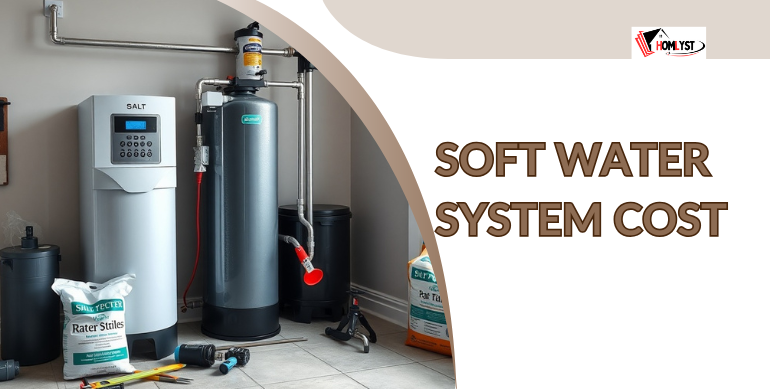
Understanding the Real Soft Water System Cost
In 2025, understanding the soft water system cost is more critical than ever for homeowners looking to improve water quality and protect their plumbing. With advancements in water treatment technology, the price of installing and maintaining these systems varies widely based on type, size, and efficiency.
From the initial setup to yearly maintenance and energy use, every cost factor plays a role in determining your total investment. Whether you’re a first-time buyer or upgrading your old unit, knowing what affects the cost can help you make a more intelligent, long-lasting decision for your home.
Moreover, soft water systems not only prevent scale buildup but also extend the lifespan of appliances and improve the effectiveness of cleaning products. By understanding these costs in detail, homeowners can plan their budget more efficiently and ensure consistent access to clean, soft water throughout the year.
Soft Water System Types, Costs, and Key Details for 2025
| Soft Water System Type | Cost & Key Details |
|---|---|
| Salt-Based Water Softener | $600–$2,000; highly effective; needs salt |
| Salt-Free Water Softener | $800–$2,500; low maintenance; moderate efficiency |
| Dual-Tank System | $1,500–$3,000; continuous soft water for large homes |
| Magnetic Descaler | $200–$600; easy DIY; moderate results |
| Electronic Descaler | $200–$600; compact; reduces scale moderately |
| Compact Salt-Free Unit | $600–$1,200; small homes; low cost |
| High-Capacity Salt-Based | $1,200–$2,500; handles heavy water usage |
| Professional Installation | $300–$1,000; ensures proper setup |
| DIY Installation | $0–$500 savings; risk of errors |
| Annual Maintenance | $100–$300; cleaning and salt refill |
| Resin Bed Replacement | $200–$400; every 10 years |
| Water Testing | $50–$150; every 2 years |
| Smart Softener | $1,000–$2,500; app-controlled; energy-efficient |
| Eco-Friendly Regeneration | $1,200–$2,500; uses less salt and water |
| Salt Refill | $5–$10 per bag; every 6–8 weeks |
| Filter Replacement | $50–$100; every 12–18 months |
| Energy Cost | $5–$15 annually |
| Scale Prevention | Protects appliances from buildup |
| Detergent Savings | Up to 50% less detergent needed |
| Plumbing Protection | Reduces repairs and wear |
| Mineral Stain Prevention | Keeps fixtures and glassware clean |
| Return on Investment | Pays off in 3–5 years |
| Warranty Coverage | 1–10 years |
| Hard Water Compatibility | Handles high mineral levels |
| Long-Term Efficiency | Lasts 10–15 years with care |
Factors That Influence Soft Water System Cost
1. Type of System
The soft water system cost varies by type. Salt-based models are more efficient but pricier, while salt-free options are affordable yet less effective for tough water.
2. Household Size
Smaller homes may use compact units at a lower cost. In contrast, larger families need high-capacity systems that ensure consistent water softness but cost more.
3. Installation Method
Professional installation adds to the price but ensures proper setup and warranty coverage. DIY installation is cheaper but riskier if done incorrectly.
4. Brand and Features
Costs also depend on the brand, warranty, and features like smart sensors or self-cleaning functions. Reputable brands often reduce maintenance and last longer.
Initial Setup and Installation Costs
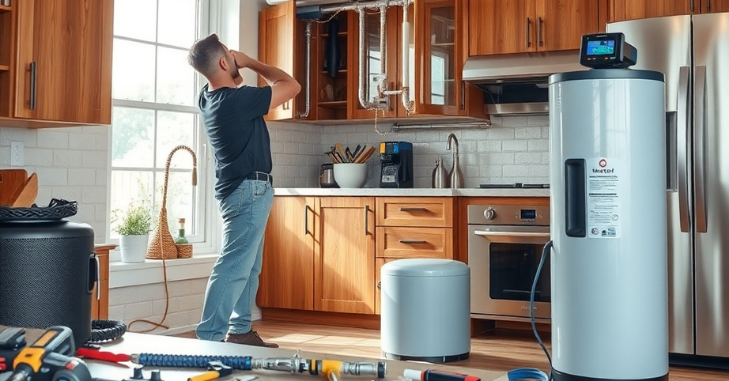
When planning your budget, it’s crucial to factor in installation costs in addition to the price of the unit itself. As of 2025, a standard water softener installation by a certified plumber ranges between $300 and $1,000, depending on complexity.
If your plumbing setup already includes a water loop or a pre-installed bypass valve, installation costs can be lower. However, older homes may require additional plumbing adjustments, which can push costs upward.
Homeowners who are confident with basic plumbing might consider a DIY installation, which can save several hundred dollars. Still, hiring a professional ensures that the system operates efficiently and complies with warranty terms, something that’s often overlooked with DIY setups.
Types of Soft Water Systems and Their Price Ranges
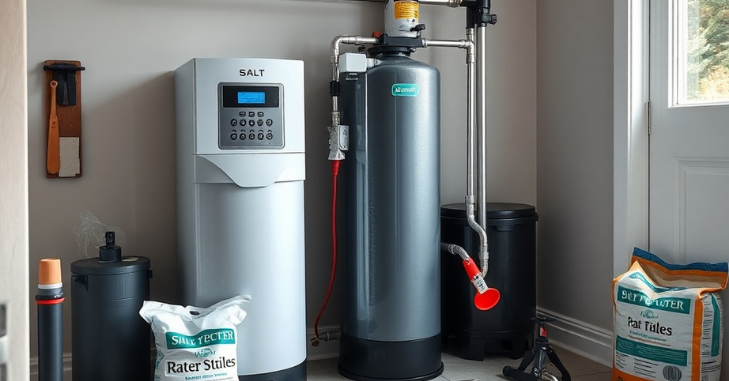
There are multiple types of soft water systems, each offering different levels of performance and cost. Below is a general breakdown of average system prices in 2025:
Salt-Based Water Softeners
The most common and effective type for hard water areas. Prices typically range from $600 to $2,000, including installation.
Salt-Free Water Softeners
These systems use potassium chloride or template-assisted crystallization (TAC) to condition water. They cost around $800 to $2,500, depending on brand and capacity.
Dual-Tank Systems
Ideal for large families; these offer continuous soft water even during regeneration. Expect to pay $1,500 to $3,000.
Magnetic or Electronic Descalers
Budget-friendly and easy to install; these cost between $200 and $600 but are less effective for tough water. Your choice should be based on the water hardness level, household water usage, and long-term return on investment.
Energy Consumption and Efficiency
With the rise of energy-efficient technologies, modern soft water systems in 2025 consume less electricity and water during the regeneration process. On average, a salt-based water softener uses about 20–50 kilowatt-hours (kWh) per year, translating to $5 to $15 annually in electricity costs.
Systems equipped with innovative metering technology can automatically adjust regeneration cycles based on your household’s water usage, reducing both salt and energy consumption. This not only lowers operational costs but also minimizes environmental impact.
In addition, many new models include eco-friendly regeneration features that recycle water or use lower salt concentrations, making them more sustainable and cost-effective over time.
Hidden and Long-Term Costs to Consider
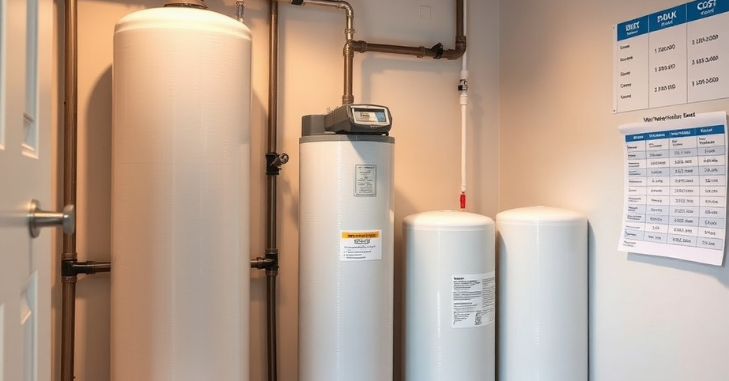
Beyond purchase and installation, homeowners should consider hidden soft water system costs such as plumbing changes, part replacements, and periodic water testing. High mineral levels may require resin bed replacement every 10 years, costing about $200–$400, while water testing every two years averages $50–$150. Poor maintenance can reduce efficiency and raise utility bills, so investing in a high-quality system early helps prevent costly long-term issues.
Comparing DIY vs. Professional Installation Costs
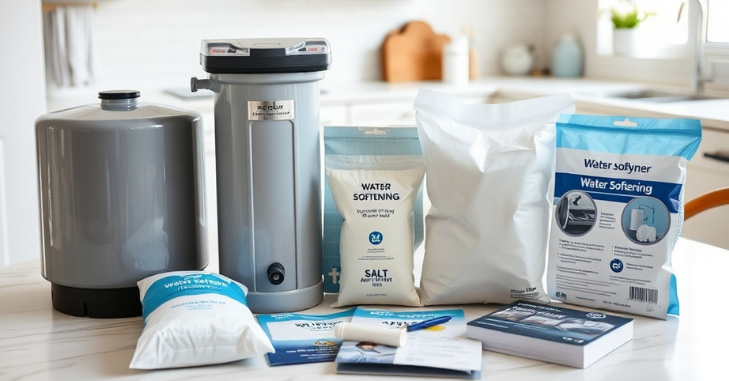
Many homeowners choose DIY water softener installation to save up to $500, but it’s not ideal for everyone. Professional installation guarantees proper plumbing, system calibration, and warranty protection, while DIY mistakes can lead to costly repairs. For those with little plumbing experience, hiring a certified installer is the safest way to ensure reliable performance and long-term efficiency.
Ways to Reduce Overall Soft Water System Costs
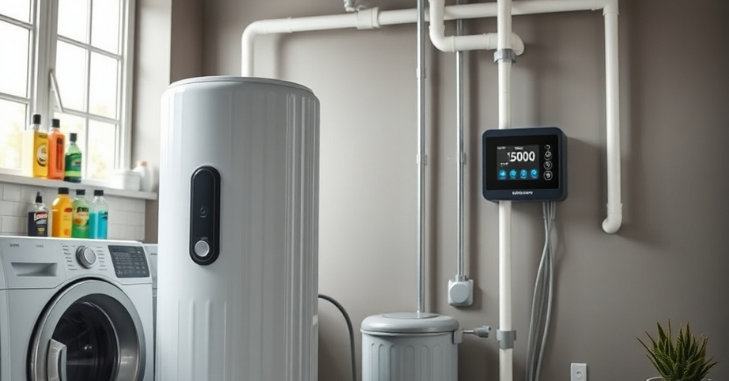
There are several ways to make your soft water system investment more affordable without compromising quality:
- Shop during seasonal promotions: Many brands offer discounts during spring or fall home improvement seasons.
- Compare multiple quotes: Always get at least three estimates from local installers before making a decision.
- Consider energy-efficient models: Though more expensive upfront, these systems reduce ongoing costs over time.
- Regular maintenance helps avoid costly repairs and extends system life.
- Bundle with filtration systems: Some companies offer package deals when you install both a water softener and a filtration unit.
By taking these proactive steps, homeowners can significantly lower the total soft water system cost while still enjoying the long-term benefits of smoother, cleaner water.
How Soft Water Saves Money Over Time?
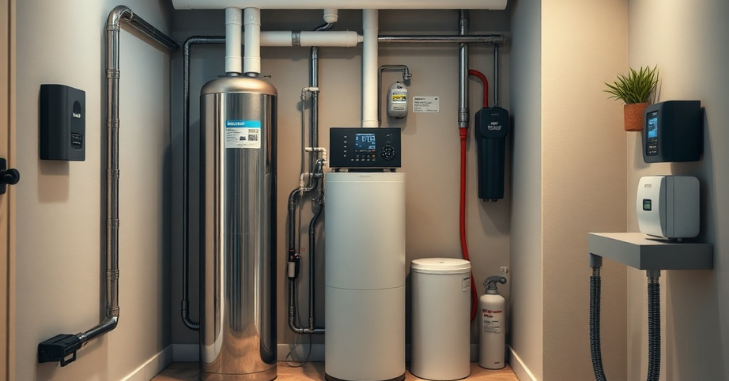
Though the upfront cost of the soft water system may seem high, it quickly pays off by preventing scale buildup and extending appliance life. Soft water cuts detergent use by up to 50%, lowers plumbing repairs, and prevents mineral stains, offering long-term savings and a strong return on investment for most households.
Impact on Skin, Hair, and Everyday Comfort
Another advantage often overlooked when evaluating soft water system cost is the improvement in personal comfort and daily living. Soft water allows soaps and shampoos to lather more effectively, which can leave skin feeling less dry and hair appearing smoother and more manageable.
Many homeowners also notice that towels, clothing, and bed linens remain softer after washing because mineral deposits are reduced. Over time, these everyday benefits can enhance household comfort while decreasing the need for specialty cleaning and personal care products, adding further value to the investment.
Conclusion
Choosing the right soft water system requires balancing cost, efficiency, and long-term value. While the upfront expense may seem high, the savings from reduced appliance wear, lower detergent use, and improved water quality often outweigh the investment. By understanding the full soft water system cost, from installation to maintenance, you can select a model that fits your budget while providing years of reliable performance. In 2025, investing in a quality water softener isn’t just about cleaner water; it’s about enhancing your home’s overall comfort, efficiency, and sustainability.
Want to know about How Big Is 3 Acres? A Comprehensive Guide About Dimensions and Size, Perimeters for 3 Acres of Land, Wideness of 3 Acres? Check out our Urban Real Estate category.
Frequently Asked Questions (FAQs)
In 2025, the cost of a soft water system typically ranges from $600 to $3,000, depending on the type, brand, and household size. Basic salt-free systems are more affordable, while advanced salt-based or dual-tank models cost more but offer better performance.
With proper care, a water softener can remain effective for 10 to 15 years. Regular cleaning, timely salt refills, and water testing can extend its lifespan and prevent costly repairs.
Not significant. Most modern softeners use only 20–50 kWh of electricity per year, adding roughly $5–$15 to your annual energy bill.