Basement Finishing Design
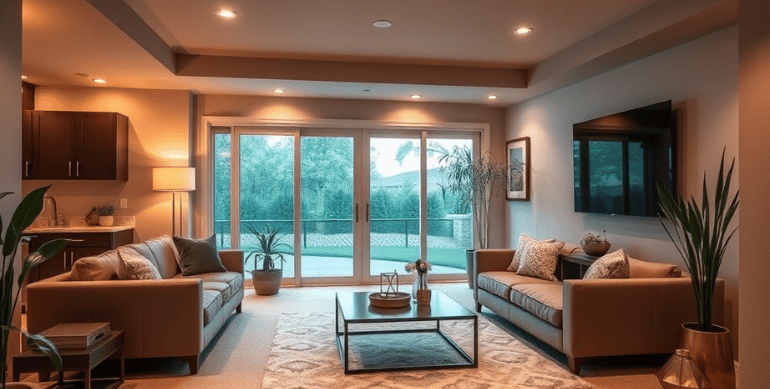
Transforming your basement from a dark, unused area into a bright, functional, and comfortable living space is one of the most rewarding home improvement projects you can undertake. Basement finishing not only increases your home’s usable square footage but also boosts its resale value and energy efficiency.
Whether you’re designing a cozy family lounge, a modern home office, or a stylish guest suite, the success of your basement finishing project depends heavily on two key factors: effective waterproofing and durable flooring solutions. Without proper moisture protection and material selection, even the most beautifully designed basement can quickly fall victim to dampness, mold, and structural damage. If you want to go deeper, read How to Paint Aluminum Siding for a Smooth, Durable Finish That Lasts.
This ultimate guide to basement finishing design explores everything you need to know about creating a safe, dry, and visually appealing basement. It covers a range of essential topics, from waterproofing membranes to flooring systems that can withstand both moisture and wear over time. This comprehensive resource provides step-by-step insights, expert recommendations, and modern design ideas to help you transform your basement into a functional and attractive space.
| Section | Key Points | Summary |
| Introduction | Transform unused space into a functional living area | Basement Finishing boosts home value and comfort when done with proper waterproofing and durable flooring. |
| Challenges in Basement Finishing | Moisture, leaks, poor ventilation, temperature changes | Addressing these issues prevents mold, damage, and flooring failure. |
| Why Waterproofing Matters | Essential first step | Keeps the basement dry, prevents mold, improves air quality, and protects the structure. |
| Types of Waterproofing | Interior: Seals inside walls/floors. Exterior: Blocks water from outside. Drainage: Redirects water flow | Choose based on your home’s moisture level and ground conditions. |
| Waterproofing Membranes | Prevents water infiltration | Acts as a moisture barrier between the soil and structure. |
| Types of Membranes | – Liquid: Seamless, flexible coating – Sheet: Roll-applied, long-lasting – Cementitious: Easy and affordable – Glomeruloseous: Advanced hybrid, durable under pressure | Each type suits different basement environments and protection needs. |
| Basement Flooring | Moisture-tolerant and durable materials | Flooring enhances design and comfort while resisting humidity. |
| Best Flooring Options | – Luxury Vinyl (LVP/LVT) – Engineered Wood – Epoxy Coating – Ceramic Tile – Rubber/Carpet Tiles | Combine style with water resistance for long-term performance. |
| Integration of Waterproofing & Flooring | Step-by-step moisture protection | Apply membrane → Add underlayment → Install waterproof flooring → Seal edges → Control humidity. |
| Modern Design Trends | Open layouts, LED lighting, neutral colors | Focus on comfort, energy efficiency, and moisture-smart materials. |
| Maintenance Tips | Inspect annually, clean gutters, and use a dehumidifier | Regular upkeep ensures durability and prevents costly damage. |
| Common Mistakes | Skipping waterproofing, poor ventilation, and no vapor barrier | Avoid shortcuts — moisture control is vital. |
| Conclusion | Waterproof + durable flooring = lasting design | A dry, well-protected basement ensures beauty, comfort, and home value for years. |
Understanding Basement Finishing and Its Challenges
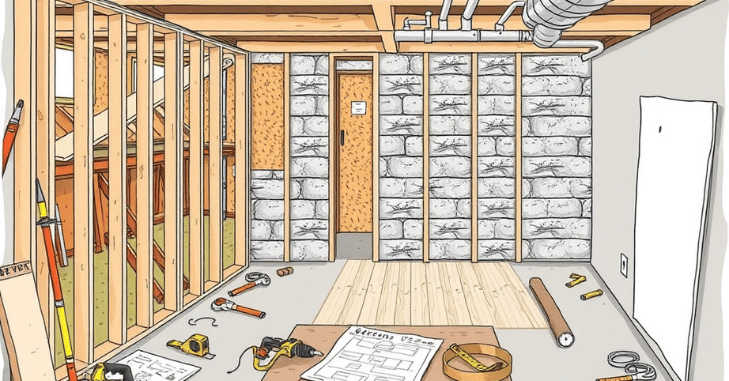
Basement finishing involves more than painting walls and laying down new floors. Because basements are below ground level, they face unique challenges, including:
- Moisture and dampness from groundwater or humidity.
- Cracks and leaks in concrete foundations or walls.
- Poor ventilation and limited sunlight exposure.
- Temperature fluctuations, leading to condensation.
If not properly addressed, these problems can cause mold growth, structural damage, and flooring failure — all of which can ruin your investment.
Why Waterproofing is the Foundation of Basement Design?
In any basement finishing project, waterproofing is the first and most essential step. A well-finished basement must stay dry and protected to maintain its structure and appearance. Proper basement waterproofing prevents moisture from seeping through walls and floors, which ensures your space remains safe, comfortable, and long-lasting.
Effective waterproofing safeguards your basement from:
- Water damage and deterioration of concrete or wooden structural materials.
- Mold and mildew growth can reduce air quality and cause health problems.
- Peeling paint, swollen floors, and musty odors caused by trapped humidity.
- Decreased property value and costly repairs due to recurring moisture issues.
Simply put, waterproofing is the foundation of successful basement finishing design. Without it, even the most attractive flooring or decor won’t last.
Types of Basement Waterproofing for Effective Basement Finishing
When planning your basement finishing design, it’s important to choose the right waterproofing method for your home’s condition and environment. There are three main types of waterproofing systems commonly used in basement construction and remodeling:
Interior Waterproofing
- Focuses on sealing walls and floors from the inside of your basement.
- Uses high-quality coatings, sealants, and waterproof membranes to block moisture intrusion.
- Ideal for homes experiencing mild dampness, condensation, or minor leaks.
- Often paired with dehumidifiers or interior drainage for added protection.
Exterior Waterproofing
- Aims to keep water away from the basement foundation walls entirely.
- Involves drainage systems, exterior waterproofing membranes, and soil grading.
- Provides the strongest defense for basements exposed to heavy groundwater or rainfall.
- Essential when building or renovating basements below ground level.
What Is a Waterproofing Membrane in Basement Finishing?
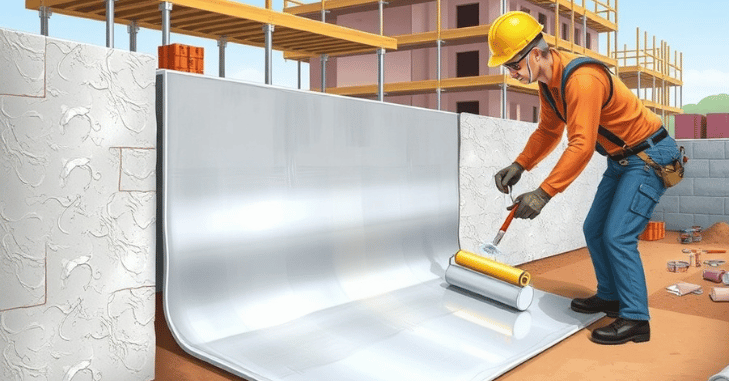
In any Basement Finishing project, a waterproofing membrane plays a critical role in creating a safe and durable environment. It’s a specialized protective layer applied to floors and walls that prevents water infiltration from surrounding soil or groundwater. By acting as a moisture barrier, the waterproofing membrane separates damp earth from your basement’s interior structure, ensuring that the space remains dry, insulated, and ready for flooring installation or interior design work.
Without this essential step, even the best flooring and wall finishes can fail over time. That’s why professional basement finishing contractors always include waterproofing membranes as part of their design and preparation process.
Types of Waterproofing Membranes Used in Basement Finishing
Liquid Membranes
Liquid membranes are applied using a brush, roller, or spray for complete surface coverage and form a seamless, flexible coating once cured, effectively eliminating weak spots where leaks can develop. They are particularly beneficial for irregular or curved surfaces where traditional sheet materials may be challenging to apply, making them a common choice for interior basement finishing projects to enhance wall and floor protection.
Sheet Membranes
Sheet membranes are made from materials such as bituminous, PVC, or HDPE and come in pre-fabricated rolls. These are installed over prepared surfaces using adhesives or heat welding, offering consistent thickness and exceptional waterproofing performance, which is ideal for large basement finishing areas or commercial spaces.
Cementitious Membranes
Cementitious membranes represent a cost-effective and easy-to-apply waterproofing solution, suitable for internal basement walls and floors, providing excellent moisture blocking. They are often used in residential basement finishing projects and renovations and can be applied over concrete, masonry, or block walls before adding decorative finishes.
Glomerulus Membrane Systems
Glomerulus membrane systems are a modern hybrid solution that combines polymer and mineral-based compounds, delivering exceptional tensile strength, flexibility, and resistance to hydrostatic pressure. This makes them perfect for deep basement finishing projects or homes situated in areas with high groundwater tables, creating a long-lasting moisture shield that ensures basement flooring and structures remain intact for decades.
Basement Flooring in Basement Finishing: Beauty Meets Durability
After completing the waterproofing stage, the next vital step in any Basement Finishing project is selecting the right flooring. The best basement flooring should balance aesthetic appeal, functionality, and moisture resistance, ensuring your newly finished space remains both stylish and long-lasting.
A well-chosen flooring system enhances comfort, adds value to your home, and supports the overall design theme of your basement, whether it’s a cozy lounge, an entertainment area, or a home gym.
Common Basement Flooring Challenges
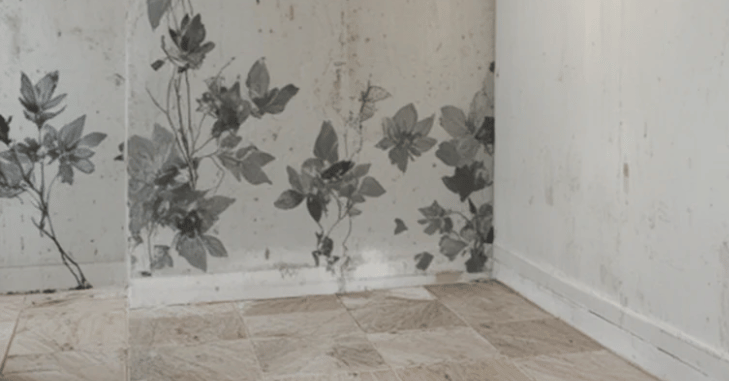
Before choosing materials, it’s important to understand the unique challenges of basement flooring. Since basements are built below ground level, they are exposed to temperature changes, moisture, and humidity, which can impact flooring durability.
Typically, basement floors are made of concrete, which can:
- Feel cold and hard underfoot, reducing comfort.
- It is prone to moisture absorption, cracks, and unevenness.
- Require proper surface preparation and leveling before installation.
These factors make it essential to choose flooring materials designed specifically for basement finishing, those that are moisture-tolerant, stable, and easy to maintain.
Best Flooring Options for Basements
Here’s a breakdown of the top flooring solutions that combine durability with style:
Luxury Vinyl Plank (LVP) and Tile (LVT)
- 100% waterproof and resilient.
- Mimics natural wood or stone at a fraction of the cost.
- Easy to install with click-lock or adhesive systems.
- Resistant to mold and scratches.
Engineered Wood Flooring
- More stable than solid hardwood due to multiple layers.
- Can withstand mild humidity if installed over a waterproof subfloor.
- Offers the warm, rich look of natural wood.
Epoxy Coated Floors
- Creates a seamless, glossy surface resistant to stains and moisture.
- Ideal for basements doubling as gyms, workshops, or garages.
- Highly durable and low maintenance.
Ceramic or Porcelain Tile
- Completely waterproof and long-lasting.
- Available in a wide variety of colors and textures.
- Excellent for areas prone to spills or high foot traffic.
Carpet Tiles
- Add warmth and sound absorption to entertainment or lounge spaces.
- Easy to replace if one section gets damaged.
- Must be paired with a vapor barrier or waterproof underlayment.
Rubber Flooring
- Water-resistant and cushioned.
- Perfect for home gyms or playrooms.
- Easy to clean and install.
The Perfect Pair: Waterproofing + Flooring Design Integration
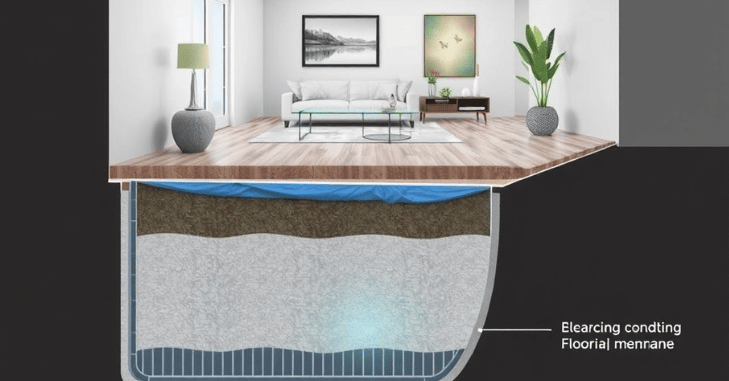
For a long-lasting and comfortable basement, the integration of waterproofing and flooring design is essential. Here’s how they work together:
- Step 1: Apply a glomeruloseous or liquid waterproofing membrane to create a vapor barrier.
- Step 2: Install an insulated subfloor system or underlayment.
- Step 3: Choose a moisture-resistant flooring material suited to the room’s function.
- Step 4: Seal joints and edges to prevent seepage or vapor intrusion.
- Step 5: Maintain proper ventilation and humidity control through dehumidifiers or HVAC systems.
Modern Basement Design Trends
Today’s basement designs focus on comfort, energy efficiency, and visual appeal. Here are some trending ideas:
- Open-concept layouts with multifunctional zones.
- LED lighting to brighten windowless spaces.
- Neutral palettes with warm wood tones or minimalist tiles.
- Built-in storage and soundproofing solutions.
- Moisture-smart design, incorporating waterproof paints and breathable membranes.
Energy Efficiency and Insulation Considerations
An often-overlooked aspect of basement Finishing is the role of proper insulation in improving energy efficiency and year-round comfort. Because basements are surrounded by soil, they can lose heat during winter and retain excess moisture during warmer months. Installing insulated wall panels, rigid foam insulation, or insulated subfloor systems can help regulate indoor temperatures while reducing energy costs.
Effective insulation also works alongside waterproofing systems to minimize condensation, improve comfort, and create a more consistent living environment. By incorporating energy-efficient materials during the finishing process, homeowners can enjoy lower utility bills and a basement space that remains comfortable in every season.
Maintenance and Long-Term Care
A well-designed basement still needs regular upkeep to maintain its condition.
Maintenance Tips:
- Inspect waterproofing membranes annually for cracks or wear.
- Keep gutters and drainage systems clear of debris.
Use a dehumidifier to maintain humidity below 60%.
- Reseal joints and tiles every few years.
- Clean and inspect flooring regularly, especially after heavy rains.
By staying proactive, you’ll avoid costly repairs and keep your basement in top shape for decades.
Common Mistakes to Avoid
When finishing a basement, homeowners often make avoidable errors such as:
- Skipping waterproofing before installing floors.
- Using materials not rated for below-grade conditions.
- Failing to address drainage around the foundation.
- Ignoring vapor barriers under floors.
- Overlooking ventilation and insulation.
Conclusion
Basement Finishing is more than just a renovation project; it’s an investment in the comfort, functionality, and long-term value of your home. A thoughtfully designed basement not only expands your living space but also creates opportunities for entertainment, relaxation, or work, all while increasing your property’s market appeal. However, every successful basement transformation begins with one essential principle: protection against moisture.
Once the waterproofing stage is complete, choosing the right flooring becomes the next critical step. From luxury vinyl planks and engineered wood to epoxy coatings and rubber flooring, today’s Basement Finishing materials offer both style and resilience. Pairing these options with proper underlayment, vapor barriers, and ventilation ensures a space that remains beautiful and functional for decades.
Ultimately, the secret to a perfect Basement finishing design lies in balancing waterproof technology with modern aesthetics. By combining durable waterproofing membranes, moisture-resistant flooring, and smart design planning, homeowners can transform their basements into stunning, comfortable spaces that truly elevate their living experience.
Want to know about Tree Stump Removal Cost Explained: Full Comparison of DIY Methods, Stump Grinding Equipment, Professional Arborist Services, and Long-Term Landscaping Value Check out our Home for Sale category.
FAQs
Turning an unfinished basement—the one that existed when the house was first constructed—into a usable, habitable area.
Water usually always enters the basement from the outside, unless your washing machine is leaking. Because foundation flaws allow groundwater and heavy rains to pour in, exterior waterproofing can keep water out of your house.
The labor costs for plumbing and electrical installations are usually the most costly aspect of renovating a basement.