Best Gutter Guards
Maintaining clean and functional gutters is essential for protecting a home from water damage, foundation issues, and costly repairs. However, frequent cleaning can be both time-consuming and risky. That’s where Best Gutter Guards come in — innovative solutions designed to prevent leaves, debris, and dirt from clogging your gutter system while allowing rainwater to flow freely.
These protective barriers not only extend the lifespan of your gutters but also enhance your home’s overall efficiency and curb appeal. Understanding how gutter guards work, the types available, and the factors to consider before choosing one can help homeowners make the right investment for long-term protection.
| Section | Key Points |
| What Are Gutter Guards? | Protective covers prevent leaves and debris from clogging gutters, reducing maintenance. |
| How Gutter Guards Work | Allow water to pass through while blocking debris; prevent water damage and foundation issues. |
| Types of Gutter Guards | Includes mesh, reverse curve, brush, foam, and perforated metal guards — each with unique benefits. |
| Mesh Gutter Guards | Fine mesh filters debris; durable and rust-resistant, ideal for small debris control. |
| Reverse Curve Guards | Use surface tension to direct water in and debris away; often requires professional installation. |
| Brush Gutter Guards | Bristles catch debris but need occasional cleaning; simple and DIY-friendly. |
| Foam Gutter Guards | Lightweight foam blocks debris; easy to install, but less effective in heavy rain. |
| Perforated Metal Guards | Sturdy metal sheets with holes; handle heavy rainfall and offer long durability. |
| Top Brands | LeafFilter, Gutter Helmet, MasterShield, Raptor, and Amerimax lead the market. |
| Factors to Consider | Climate, roof pitch, debris type, installation method, maintenance, and budget. |
| Benefits of Gutter Guards | Reduce cleaning, prevent water damage, protect foundations, and enhance curb appeal. |
| Conclusion | Choosing the right gutter guard ensures long-term efficiency, safety, and peace of mind. |
What are Gutter Guards?
Gutter guards are an essential addition to any home, especially for those who want to minimize maintenance and prevent water damage. They serve as a protective barrier over gutters, preventing leaves, debris, and other materials from clogging the system.
How Gutter Guards Work?
Gutter guards function by creating a barrier that allows water to flow through while blocking larger debris. This process is crucial because clogged gutters can lead to a host of problems, including water damage to the roof, foundation issues, and even mold growth. By keeping gutters clear, gutter guards help maintain the efficiency of your home’s drainage system.
The basic principle behind gutter guards is simple: they filter out debris while allowing rainwater to pass through. This is achieved through various designs and materials, each tailored to address specific needs and preferences.
Types of Gutter Guards
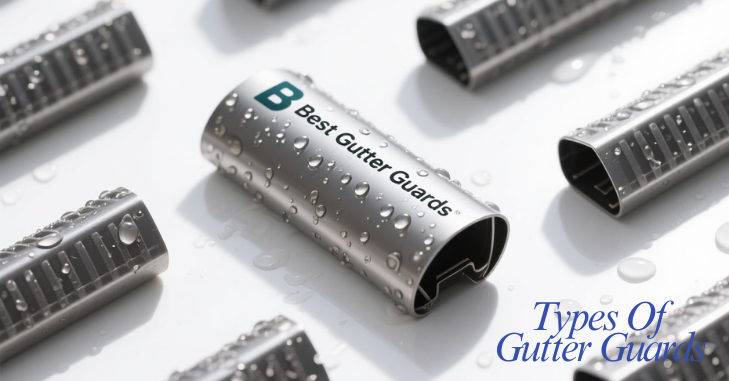
There are several types of gutter guards, each designed with unique features and functionalities. Understanding these types can help homeowners select the best option for their specific circumstances.
Mesh Gutter Guards
Mesh gutter guards are made from a fine mesh material that allows water to flow through while blocking debris. These guards are often made of stainless steel or aluminum, ensuring durability and resistance to rust. The mesh size is critical; smaller holes can prevent even small debris, while larger openings might let some particles through.
Reverse Curve Gutter Guards
Reverse curve gutter guards, or surface tension guards, are designed to direct rainwater into the gutter while forcing debris to slide off the edge. They use the principle of surface tension, allowing water to cling to the guard and flow down into the gutter. These guards are effective but may require professional installation due to their complex design.
Brush Gutter Guards
Brush gutter guards consist of long bristles that sit inside the gutter. They catch leaves and debris while allowing water to flow through. While these guards are easy to install and maintain, they may require regular cleaning to ensure the bristles do not become clogged with debris.
Foam Gutter Guards
Foam gutter guards are made of open-cell foam that fits inside the gutter, allowing water to flow while blocking debris. These guards are lightweight and easy to install, but they may not be as effective in heavy rain or during the fall when leaves are abundant.
Perforated Metal Gutter Guards
Perforated metal gutter guards are made of metal sheets with holes punched into them. These guards provide a sturdy barrier against debris and are typically more durable than plastic options. They can handle heavy rainfall, making them suitable for regions prone to storms.
Top Gutter Guards on the Market
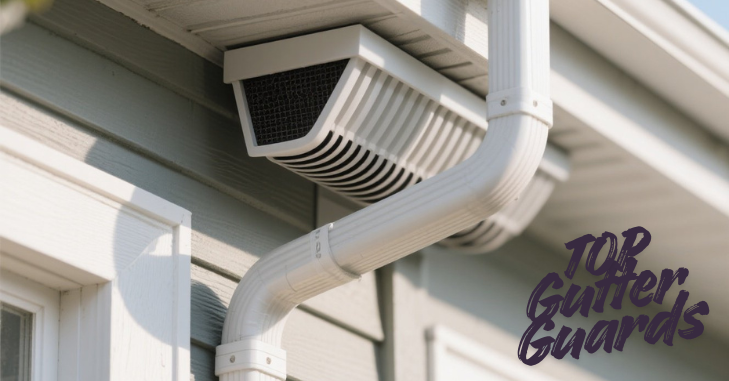
When selecting gutter guards, it’s essential to consider reputable brands that offer quality products backed by positive customer reviews. Here are some of the top gutter guards currently available:
LeafFilter
LeafFilter is one of the most recognized names in the gutter guard industry. Their micromesh technology effectively filters out even the smallest debris while allowing maximum water flow. LeafFilter also offers professional installation, ensuring a perfect fit for your gutters.
Gutter Helmet
Gutter Helmet uses a patented design that allows water to enter while keeping debris out. Its reverse curve design is effective in heavy rain, and the product comes with a lifetime warranty, making it a reliable choice for homeowners.
MasterShield
MasterShield offers a unique combination of features, including a patented self-cleaning technology that prevents debris from sticking. Their guards are made from durable materials and are customizable to fit various gutter shapes.
Raptor Gutter Guard
Raptor Gutter Guard features a stainless steel mesh design that is effective in preventing clogs. It’s easy to install and is compatible with most gutter systems. Raptor is known for its durability and long-lasting performance.
Amerimax Home Products
Amerimax provides a range of affordable gutter guards, including mesh and foam options. Their products are easy to install and provide effective protection against debris, making them suitable for DIY homeowners.
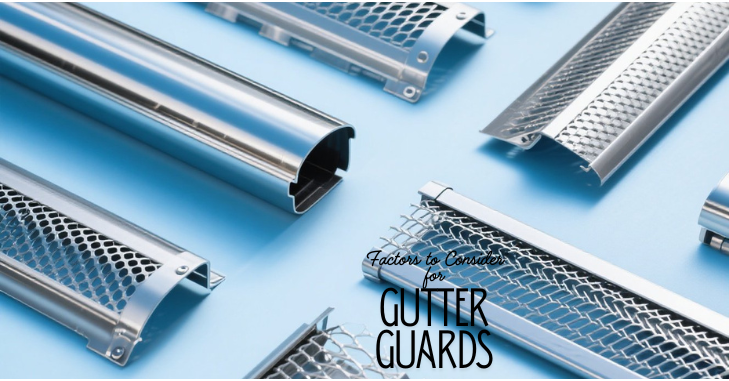
Factors to Consider Before Choosing Gutter Guards
Climate and Weather Conditions
- Choose gutter guards suited to your region’s weather.
- Heavy rainfall or snowfall areas require durable guards that can handle large water volumes.
- In drier climates, lighter and simpler guards may be sufficient.
Roof Type and Pitch
- The slope and material of your roof affect water flow into gutters.
- Steeper roofs need more efficient guards to manage faster runoff.
- Some guards are designed to work better with specific roofing materials.
Debris Type and Volume
- Consider the kind of debris (leaves, twigs, pine needles) common in your area.
- Homes surrounded by trees need guards that block larger debris.
- If debris is minimal, simpler designs can work effectively.
Installation Method
- Some gutter guards are easy to install for DIY homeowners.
- Others require professional installation for best performance.
- Opt for professional help if you’re not comfortable with home improvement tasks.
Maintenance Requirements
- Check how often the guards need cleaning or inspection.
- Some models are nearly maintenance-free, while others need periodic upkeep.
- Choose a system that matches the level of maintenance you’re willing to perform.
Budget
- Gutter guard prices vary from affordable to premium systems.
- Set a budget before purchasing and balance cost with quality.
- Consider long-term savings on maintenance and repair when choosing higher-quality guards.
Benefits of Gutter Guards

Investing in gutter guards offers numerous advantages. Firstly, they significantly reduce the need for regular gutter cleaning, saving homeowners time and effort. This is especially beneficial during the fall when leaves are abundant. Secondly, by preventing clogs, gutter guards help protect your home from water damage, mold growth, and foundation issues. This can lead to substantial savings in repairs over time.
Furthermore, gutter guards can enhance the overall aesthetic of your home. Many modern designs blend seamlessly with various architectural styles, improving curb appeal while providing functional benefits.
Conclusion
Gutter guards are a valuable investment for any homeowner looking to protect their property from water damage and minimize maintenance. By understanding how they work, the different types available, and the factors to consider before purchasing, you can make an informed decision that best suits your needs. With the right gutter guards in place, you can enjoy peace of mind knowing that your home’s drainage system is functioning optimally, no matter the weather.
In summary, whether you choose mesh guards, reverse curve systems, or foam options, the key is to select a product that aligns with your specific situation. With a little research and consideration, you can find the perfect gutter guards to keep your home safe and dry for years to come.
Apart from that, if you want to know more about Pool Remodel Companies: Transforming Your Backyard Oasis then visit our New Construction Homes category.
FAQs
Micro-mesh is the most effective type of gutter guard for trapping debris and maintaining water flow. During our gutter guard testing, products made with this screen material overflowed the least, blocked large and small debris alike, and were the easiest to clean.
The biggest provider of gutter protection products worldwide is LeafFilter. From its innovative design to its seamless installation, LeafFilter offers the best gutter protection on the market. “LeafFilter was a great investment for our home.”
This high-end, superior aluminum gutter guard is designed to keep debris, leaves, insects, and even tiny objects like pine needles out of the gutters and to keep downspouts clear. On top of that, it provides superior strength and durability that you can rely on for years to come.
The type of solution and gutter guard determine this. Due to its strength, versatility, and malleability, aluminum gutter mesh is ideal for the majority of residential and commercial applications. However, steel mesh meets BAL-40 and BAL-FZ ratings and specialty installation requirements, whereas aluminium does not.