
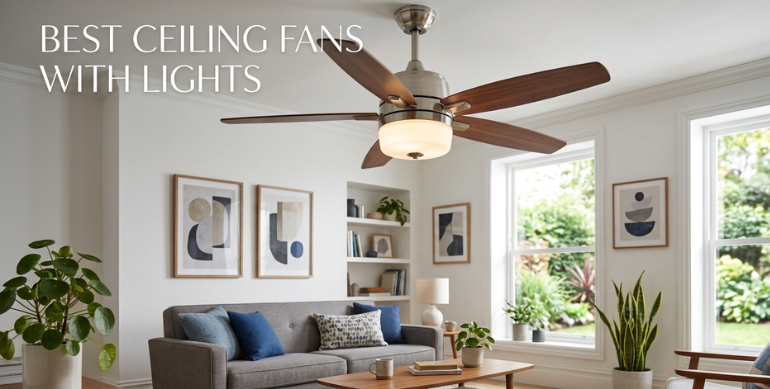
The humble overhead fixture has undergone a radical transformation. No longer just a spinning blade with a pull chain, the Best Ceiling Fans With Lights now serve as the focal point of interior design, merging high-tech efficiency with whisper-quiet performance. Whether you are looking to slash your utility bills or integrate your cooling into a voice-controlled smart home, choosing the right model requires a balance of aesthetics and engineering.
Modern fans offer sleek finishes and customizable blade options that complement any décor style. Many feature energy-efficient DC motors that use significantly less electricity than traditional models. Advanced LED lighting provides both ambient and task illumination, eliminating the need for separate ceiling fixtures.
Smart connectivity allows integration with apps, schedules, and voice assistants like Alexa or Google Home. Additionally, features like reversible blades and adjustable brightness ensure comfort and versatility year-round.
| eature | Description | Best For | Key Benefits | Tips & Considerations |
| DC Motor | Modern fan motors are replacing AC motors | Bedrooms, Living Rooms | Silent operation, energy efficient, multiple speed settings | Look for Energy Star certification for efficiency |
| Lumens & Light Output | Measures the brightness of the integrated light | Rooms where the fan is the main light source | Ensures proper illumination | Aim for 800–1,500 lumens, depending on room size |
| Color Temperature (K) | Warm or cool tone of light | Bedrooms (2700–3000K), Kitchens (4000–5000K) | Creates desired ambiance | Match the temperature to the room function and mood |
| Color Rendering Index (CRI) | Accuracy of colors under light | All living spaces | Colors appear natural and vibrant | Choose CRI 90+ for realistic color representation |
| Smart Connectivity | Wi-Fi, app control, voice assistants | Modern homes | Remote control, scheduling, energy management | Ensure compatibility with smart home systems |
| Blade Material & Design | Wood, metal, or composite blades | Interior aesthetics | Blends with décor, durable | Select a size and finish that complements the room style |
| Energy Efficiency | Power consumption per speed setting | All rooms | Lower electricity bills | Use DC motor fans and LED light kits |
| Fan Size & Coverage | The diameter of the blades affects the airflow | Small to large rooms | Proper air circulation | Match fan size to Room square footage |
| Lighting Type | LED, frosted glass, or integrated fixture | Style-conscious homeowners | Longevity, soft or bright illumination | Consider dimmable LEDs for versatility |
| Installation Type | Flush mount, downrod, or angled ceiling | Ceilings of varying heights | Ensures stable performance | Choose the correct mounting based on the ceiling height |
Why Integrated Lighting and Airflow Matter
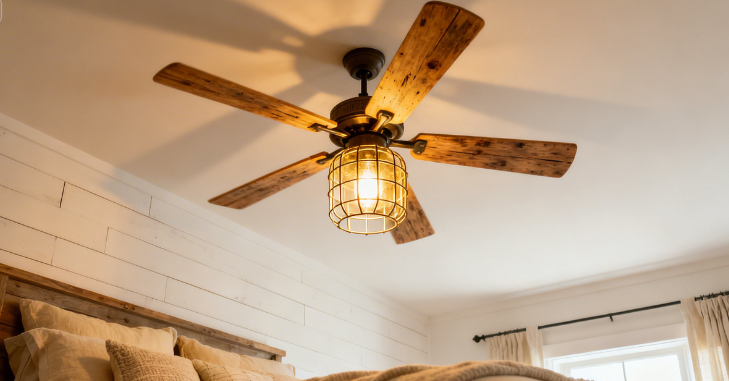
In modern architecture, “zoning a room is essential. A ceiling fan with a light kit solves two problems at once: it provides necessary ambient illumination while preventing air from becoming stagnant. By combining these functions, you eliminate the need for extra floor lamps or cluttered wiring, creating a cleaner, more minimalist ceiling profile.
Best Ceiling Fans: Defining Style
When searching for the Best Ceiling Fans With Lights, the first thing you’ll notice is the diversity in materials.
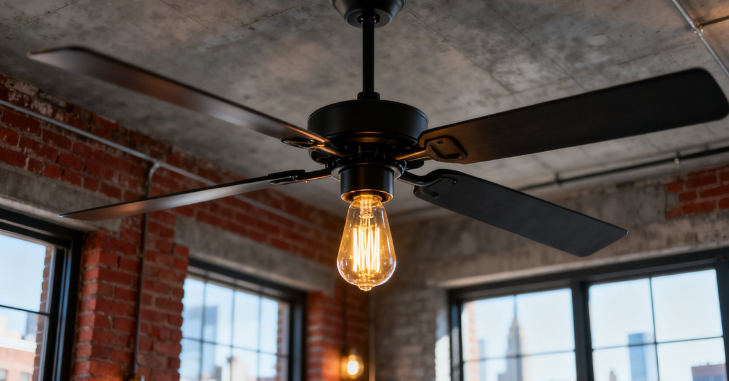
- Industrial Chic: These often feature Edison-style bulbs, matte black finishes, and caged housings. They are perfect for lofts or kitchens with exposed brick.
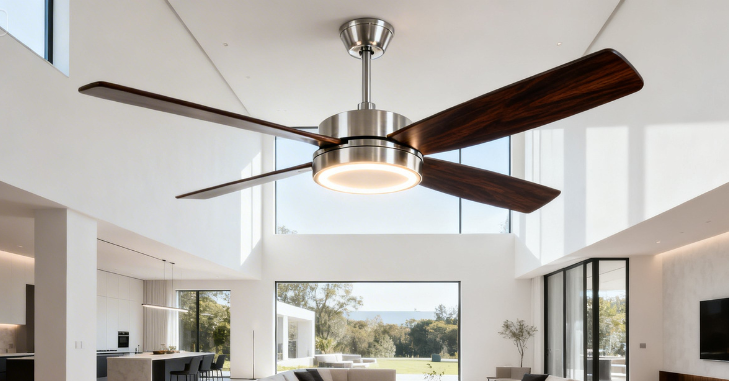
- Modern Minimalist: Characterized by three sleek blades (often made of carved wood or high-grade ABS plastic) and integrated LED discs that sit flush against the motor.
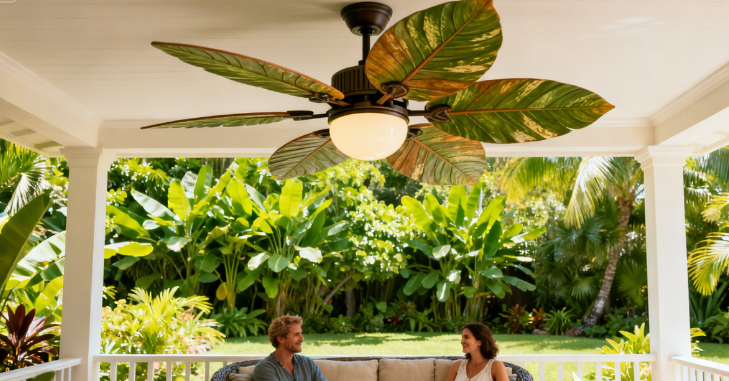
- Coastal Breeze: These utilize weathered wood finishes or “leaf” shaped blades to evoke a relaxed, beach-house vibe.
- Mid-Century Modern: Look for brass accents and globe-shaped light covers to match 1950s-inspired furniture.
The Power of DC Motors and Energy Efficiency
The core of any top-tier fan is its motor. In the past, AC motors were the standard, but the industry has largely shifted toward Direct Current (DC) motors due to their superior performance. DC motors offer significant energy savings —up to 70% less electricity than standard AC models —while running cooler and quieter, making them ideal for bedrooms and living spaces where silence matters.
They also offer more speed options: whereas AC fans usually have three speeds, DC fans often have six or more, allowing precise control over airflow. For the best results, look for the Energy Star certification, which ensures the fan meets strict efficiency guidelines set by the EPA, focusing on both the motor’s airflow and the light kit’s lumens-per-watt ratio.
Smart Home Integration: The Future of Cooling
The most significant leap in recent years is the “Smart Fan.” The Best Ceiling Fans With Lights now connect directly to your home’s Wi-Fi network.
- Voice Control: Compatible with Amazon Alexa, Google Assistant, and Apple HomeKit. You can say, “Hey Google, set the bedroom fan to 50%,” without lifting a finger.
- Scheduling: Set your fan to turn off automatically at 2:00 AM when the temperature drops, or have the lights dim gradually as you prepare for sleep.
- Geofencing: Some high-end models can sense when your smartphone enters the Room, automatically activating the breeze.
Technical Specifications Comparison
Choosing a fan involves more than just picking a color. You must match the fan size to your square footage.
| Room Size | Recommended Blade Span | Common Use Case |
| Small (up to 75 sq ft) | 30 to 42 inches | Walk-in closets, small laundry rooms |
| Medium (76–144 sq ft) | 44 to 50 inches | Children’s bedrooms, home offices |
| Large (145–225 sq ft) | 52 to 54 inches | Master bedrooms, standard living rooms |
| Great Room (225+ sq ft) | 56+ inches | Open-concept floor plans, vaulted ceilings |
Lighting Quality: Lumens and Color Temperature
Importance of Light Quality
A common mistake is focusing only on the fan’s appearance and ignoring the quality of light it provides. Since the Best Ceiling Fans With Lights are often the primary light source in a room, paying attention to brightness and color metrics is essential.
Lumens
Lumens measure the total light output, and for rooms where the fan serves as the main light source, aim for at least 800 to 1,500 lumens to ensure adequate illumination.
Color Temperature
Color temperature, measured in Kelvin (K), affects the mood and functionality of a space. Soft, warm white light between 2700K and 3000K is ideal for bedrooms and living rooms, creating a cozy atmosphere. Brighter, daylight tones from 4000K to 5000K work best in kitchens, workspaces, or areas where task lighting is important.
Color Rendering Index (CRI)
The CRI indicates how accurately a light source reveals colors compared to natural light. Choosing a fan with a CRI of 90 or higher ensures that colors in your Room appear natural and vibrant, enhancing the overall aesthetic.
Installation Best Practices
To ensure your investment lasts for decades, follow these safety and performance guidelines:
- Ceiling Height: Blades should be at least 7 feet above the floor. If you have low ceilings, look for “hugger” or flush-mount models. For high ceilings, use a downrod.
- Blade Pitch: The angle of the blade (usually 12 to 15 degrees) determines how much air is moved. A steeper pitch moves more air but requires a more powerful motor.
- Winter Mode: Ensure your fan has a reversible motor. In winter, running the blades clockwise at a low speed pushes warm air trapped near the ceiling down, reducing heating costs.
Maintenance for Longevity
Even the Best Ceiling Fans With Lights require occasional upkeep.
- Dusting: Use a microfiber cloth or a dedicated fan duster every two weeks. Dust buildup can cause the blades to become unbalanced, leading to wobbling.
- Tightening: Check the screws on the blade irons and the light kit twice a year. Vibration can loosen hardware over time.
- Bulb Replacement: If your fan uses integrated LEDs, they are rated for 25,000 to 50,000 hours. If it uses sockets, always use LED bulbs to minimize heat transfer to the motor.
Final Thoughts
Upgrading your home’s climate control doesn’t mean sacrificing style. By focusing on DC motor efficiency, smart connectivity, and proper sizing, you can find a fixture that enhances your comfort and your home’s value. The Best Ceiling Fans With Lights are no longer just appliances—they are sophisticated pieces of home technology designed to make modern living effortless and elegant.
Modern designs allow them to seamlessly blend with any décor, from minimalist to traditional styles. Integrated LED lighting provides bright, energy-efficient illumination while reducing the need for separate fixtures. With remote and app controls, adjusting fan speed or light settings is convenient and intuitive.
High-quality materials ensure durability and long-lasting performance, making them a smart long-term investment. Finally, these fans can even contribute to energy savings by improving air circulation and reducing reliance on heating or cooling systems.
Want to know about Creating high-end residential landscape design plans: Why planning matters Check out our New Construction Homes category.
FAQs
Look for lumens (brightness), color temperature (K), and CRI (color accuracy). For bedrooms and living areas, 2700–3000K soft white is ideal, while kitchens or workspaces benefit from 4000–5000K daylight. CRI 90+ ensures colors appear natural.
AC motors are traditional and usually have 3-speed settings, while DC motors are more energy-efficient and quieter, often offering 6 or more speed options. DC motor fans can reduce electricity consumption by up to 70%.
Fan size should correspond to the Room’s square footage. Small rooms (up to 75 sq. ft) need a 29–36-inch fan, medium rooms (76–144 sq. ft) need a 36–42-inch fan, and large rooms (over 144 sq. ft) require a 50-inch fan or larger for proper airflow.
Ceiling fans with lights combine cooling and illumination in a single fixture, saving space and adding aesthetic appeal. Modern models also improve energy efficiency and can integrate with smart home systems for added convenience.

