A wobbly chair may seem like a small annoyance, but over time, it can become more than just a nuisance; it can disrupt your comfort, create safety hazards, and even damage your flooring or other furniture.
The good news is that learning how to fix a wobbly chair is simpler than most people think, and it doesn’t always require calling a professional. With a few basic tools, some common household materials, and a bit of patience, you can restore your chair to a stable, safe, and comfortable condition.
Whether the wobble is caused by loose screws, weakened joints, uneven legs, or wear and tear over time, there are practical solutions that anyone can apply. In this comprehensive guide, you’ll discover step-by-step instructions, easy DIY fixes, and quick preventive measures to stop wobbling before it becomes a bigger problem.
| Catagory | Key Points / Tips |
| Causes of Wobbly Chairs | Loose joints, worn-out legs or feet, warped wood or materials, damaged fasteners or connectors, uneven floors – understanding these is the first step in how to fix a wobbly chair |
| Tools & Materials Needed | Screwdrivers, Allen wrenches, hammer, pliers, wood clamps, wood glue, screws/nails/bolts, wood filler/epoxy, furniture pads/shims, sandpaper, WD-40 or silicone lubricant |
| DIY Repairs | Tighten screws and bolts, apply wood glue to loose joints, reinforce weak legs with fillers/brackets/shims, fix worn-out screws or holes, and lubricate squeaky joints – all part of learning how to fix a wobbly chair |
| Quick Temporary Fixes | Use furniture shims under uneven legs, apply rubber/felt pads to stabilize, periodically retighten screws – easy steps for temporary stability while figuring |
| Preventive Measures | Regularly check screws/bolts, avoid dragging chairs, protect from moisture, use leg pads, and rotate usage – helpful for maintaining results after learning |
| Special Chair Types | Wooden: glue/clamp joints, fix stripped holes with filler/dowels; Metal: tighten bolts, check rust, lubricate joints, replace bent legs; Upholstered: check screws under frame, inspect for hidden damage – specific guidance for how to fix a wobbly chair depending on chair type |
| When to Seek Professional Help | Severe structural damage, antique/valuable chairs, extensive joint wear, hidden frame issues, safety concerns, custom or specialized furniture – situations where professional guidance is recommended |
| Conclusion | Following step-by-step repairs and preventive measures ensures safety, stability, and longevity of chairs, while learning saves time and money |
How to Fix a Wobbly Chair?
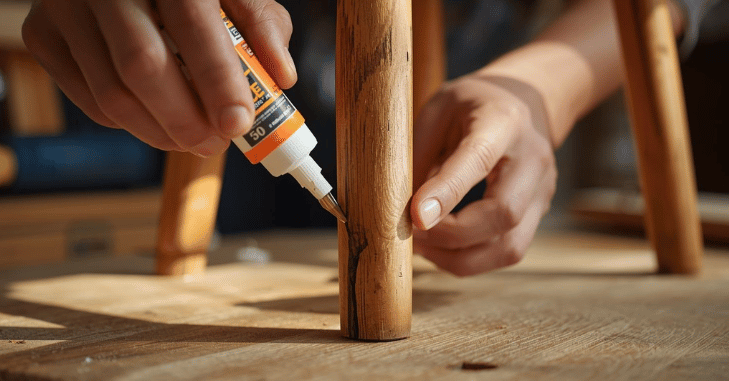
If you’ve ever struggled with an unstable or shaky seat, you know how frustrating a wobbly chair can be. Learning how to fix a wobbly chair is easier than many people think, and it doesn’t always require professional help. By identifying the source of the wobble, whether it’s loose screws, weakened joints, cracked legs, or uneven floors, you can apply simple DIY solutions to restore stability.
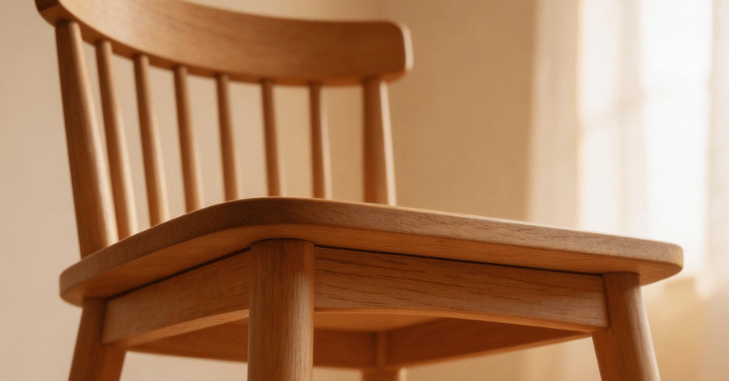
Understanding the type of chair you have is also important. Wooden chairs may require glue, clamps, or dowels to reinforce joints, while metal chairs often need bolts tightened or hinges lubricated. Even upholstered chairs can benefit from careful inspection of the frame beneath the padding. With the right tools, basic materials, and a little patience, you can address the wobble effectively.
Understanding Why Chairs Become Wobbly
- Loose joints: Over time, screws, bolts, and wooden joints can loosen due to repeated use.
- Worn-out legs or feet: Wooden or metal legs can wear unevenly, causing imbalance.
- Warped wood or materials: Moisture, temperature changes, or poor-quality materials can warp wooden components.
- Damaged fasteners or connectors: Screws, nails, or brackets can strip or break, weakening the structure.
- Uneven floors: Sometimes the wobble is due to uneven flooring rather than the chair itself.
Step-by-Step DIY Repairs for Wobbly Chairs
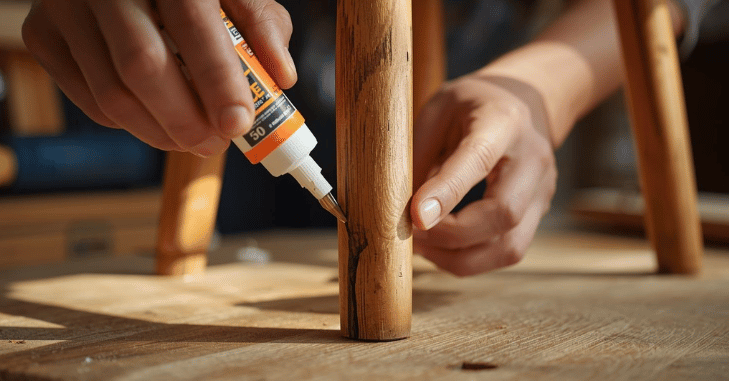
Tighten Screws, Bolts, and Fasteners
A wobbly chair is often caused by loose connections. Begin by carefully inspecting all screws, bolts, and fasteners under the seat, armrests, and backrest. Use a screwdriver or wrench to tighten them securely.
If a screw spins without tightening, it may need to be replaced with a slightly larger one or reinforced using wood filler. Avoid overtightening wooden screws, as this can cause cracks or splits in the wood. Ensuring all fasteners are snug is often the simplest and most effective way to restore stability.
Apply Wood Glue to Loosen Joints
For wooden chairs, wobbling is frequently caused by loose joints. Carefully disassemble the affected joint if possible and apply a thin layer of wood glue to the connecting surfaces. Clamp the joint firmly and allow the glue to dry for at least 24 hours.
Before the glue sets, wipe away any excess to keep the finish clean. This technique strengthens the joint and prevents future wobbling, providing long-lasting stability for your chair.
Reinforce Weak Legs
Chair legs can be worn down, cracked, or become uneven, which contributes to wobbling. Repair weak legs by filling any gaps or cracks with wood filler or epoxy, then sanding the surface smooth after it dries.
Metal corner brackets can also be added to stabilize leg joints, providing extra support and reducing movement. If the floor is uneven, furniture pads or shims can be placed under short legs to balance the chair, ensuring both comfort and safety.
Fix Worn-Out Screws or Holes
Sometimes, screws no longer hold in wooden holes, causing joints to loosen. One way to restore holding power is to insert toothpicks or matchsticks coated in glue into the stripped hole, then reinsert the screw.
Alternatively, wood filler can be used to fill stripped holes, allowing a new pilot hole to be drilled once the filler dries. For a stronger repair, drill out the old hole entirely and insert a wooden dowel with glue before replacing the screw. These methods restore strength and reduce wobbling effectively.
Lubricate Squeaky Joints
Squeaks often accompany a wobbly chair, and lubrication can address both issues effectively. When learning how to fix a wobbly chair, applying a silicone lubricant or WD-40 to moving parts, hinges, or joints is an important step. Gently move the chair back and forth to allow the lubricant to work into the mechanisms and reduce friction. Wipe away any excess to prevent dust buildup and maintain a clean finish.
Quick Fix for a Wobbly Chair
Another important aspect of fixing a wobbly chair is identifying hidden structural weaknesses that are not immediately visible. In many cases, the internal wooden frame or metal support may be slightly cracked or weakened, which causes repeated wobbling even after tightening screws.
Applying reinforcing brackets or metal corner supports can significantly improve stability by redistributing weight evenly across the frame. For long-term durability, it is also recommended to check the chair’s balance on different floor surfaces, as uneven flooring can gradually worsen instability over time. Addressing both structural and environmental factors ensures a more permanent and reliable repair.
Quick Fixes for Temporary Stability

- Use furniture shims under short or uneven legs.
- Rubber or felt pads under legs can stabilize minor wobbles and protect floors.
- Tighten screws periodically until a permanent fix is applied.
Preventing Future Wobbles
- Regularly check screws and bolts: Make tightening part of your monthly cleaning routine.
- Avoid dragging chairs: Lift chairs to move them, reducing stress on joints.
- Keep chairs away from moisture: Wood can warp if exposed to damp conditions.
- Use protective pads on legs: Prevent wear and uneven surfaces.
- Rotate use: Avoid putting constant weight on one leg, especially for office chairs.
Special Considerations for Different Chair Types
Wooden Chairs
Wooden chairs often become wobbly due to loose joints or wear over time. For long-term stability, apply wood glue to loosen joints and clamp them firmly until the glue dries. If screws have stripped holes, use wood filler or wooden dowels to restore the screw’s holding power.
Metal Chairs
Metal chairs may loosen or wobble as bolts become less secure or as rust develops. Tighten all bolts and inspect for rust, which can weaken the structure. Lubricate hinges and joints to prevent squeaks and maintain smooth movement.
In cases where legs are bent or worn, replacing them may be necessary to restore stability. Proper maintenance of metal chairs extends their lifespan and keeps them safe for regular use.
Upholstered Chairs
Upholstered chairs require careful inspection because padding can hide underlying structural issues. Start by checking the screws under the seat frame and tightening them as needed. Ensure that the padding or upholstery is not concealing any damage to joints or support.
Tools and Materials You Might Need

- Screwdrivers (flathead and Phillips)
- Allen wrenches or hex keys
- Hammer or mallet
- Pliers
- Wood clamps
Materials and repair items
- Wood glue or carpenter’s glue
- Screws, nails, or bolts (appropriate size for your chair)
- Wood filler or epoxy
- Furniture pads or shims
- Sandpaper (various grits)
- WD-40 or silicone lubricant (for squeaky joints)
When to Consider Professional Help?
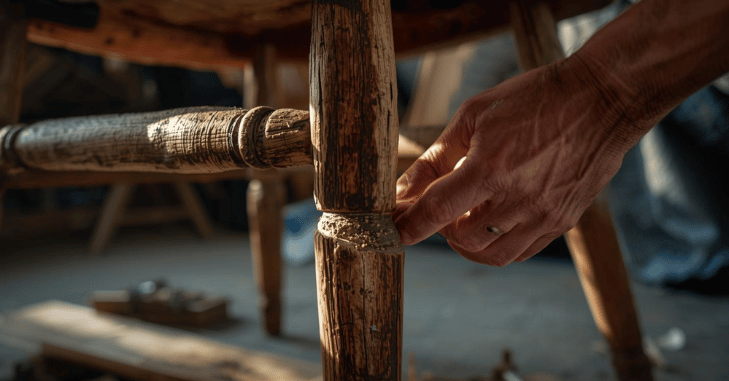
- Severe structural damage, such as cracked legs, broken seat frames, or warped components, cannot be repaired with DIY methods.
- Complex or antique furniture where improper repairs could reduce the value, damage the finish, or compromise the original construction.
- Extensive wear on joints that may require replacement parts, including stripped screw holes, broken dowels, or weakened mortise-and-tenon connections.
- Wobbles caused by internal frame issues that are not visible, such as hidden splits or weakened cross-supports.
- Upholstery or padding problems that conceal structural damage make it difficult to accurately assess the chair’s condition.
- Safety concerns, especially chairs used frequently by children, elderly individuals, or in high-traffic areas.
- Specialized furniture with custom materials
Conclusion
Fixing a wobbly chair doesn’t have to be complicated or expensive. By understanding the causes of wobbling, gathering the right tools, and following step-by-step DIY repairs, you can confidently learn how to fix a wobbly chair and restore stability, comfort, and safety to your furniture.
Regular maintenance, such as tightening screws, lubricating joints, and protecting legs from wear, can prevent future wobbling and extend the life of your chair. For chairs with severe damage, antique pieces, or complex constructions, seeking professional help ensures the repair is safe and preserves the chair’s value. By following these tips and solutions, you can enjoy sturdy, reliable seating and avoid the frustration of a wobbly chair for years to come.
Want to know about How To Get Rid of Bats? All You Need to Know Identifying Signs of Bats in Your Home, DIY vs. Professional Bat Removal, Tips for Long-Term Bat Prevention, And Much More Check out our Urban Real Estate category.
FAQs
Tighten all bolts and screws using a tool or screwdriver.
A dab of wood glue can help make your chair sturier if it is a little unstable, but you are unable to tighten the bolts and screws.
A high-quality wicking glue, which is extremely thin and can penetrate wood fibers, will find its way into the tight joints of your chairs and solidify the wood, making movement impossible.
Chair Doctor Glue fixes chairs, as the name suggests. An injection of Chair Doctor Glue will expand a loose chair rung before securing it in place.