Fiber cement siding installation has quickly become one of the most sought-after upgrades for modern homes, and for good reason. Homeowners are increasingly choosing fiber cement siding for its unmatched durability, weather resistance, and visually appealing finish that can mimic wood, stucco, or stone.
Unlike traditional wood siding, this material is engineered to withstand extreme weather, resist pests, and remain fire-safe, all while maintaining a stylish and modern look for decades. If you’re planning to enhance your home exterior, understanding the fiber cement siding installation process, costs, materials, and maintenance requirements is essential to ensure a long-lasting and beautiful finish.
| Aspect | Overview |
| Material | Fiber cement boards/panels made from cement, sand, and cellulose fibers |
| Key Features | Durable, moisture-resistant, fire-resistant, pest-resistant, low-maintenance, long lifespan (30–50 years) |
| Tools Required | Circular saw with fiber cement blade, measuring tape, level, chalk line, hammer/nail gun, drill/screws, caulking gun, utility knife, safety gear |
| Installation Process | Prepare wall → Install starter strips → Cut boards → Install first row → Continue rows → Add trim/corners → Seal joints → Paint/finish, fiber cement siding installation |
| Typical Costs | Materials: $5–$10/sq. ft., Installation: $6–$15/sq. ft., Total: $12,000–$30,000 for standard home |
| Maintenance | Annual cleaning, inspect for damage, repaint every 10–15 years, maintain caulking and seals |
| Benefits | Exceptional durability, fire and pest resistance, low maintenance, aesthetic appeal, and increases property value |
| Common Mistakes | Improper spacing, wrong fasteners, skipping barriers, poor cutting, failing to seal joints |
What Is Fiber Cement Siding Installation?
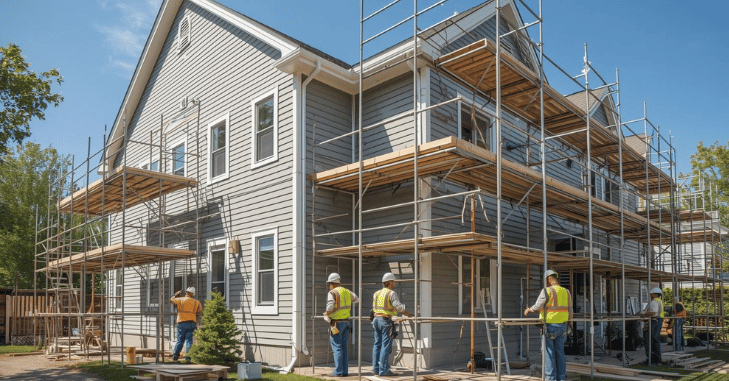
Fiber cement siding installation involves applying a durable exterior cladding made from a mixture of cement, sand, cellulose fibers, and water to the walls of a home. These materials are compressed into boards or panels that can mimic the appearance of natural wood, stucco, or masonry, providing both strength and style.
The siding is engineered to offer long-lasting protection against moisture, rot, fire, and pests while enhancing the home’s curb appeal. Key characteristics of fiber cement siding include high resistance to moisture and rot, fire resistance, pest resistance (including termites and insects), availability in a variety of textures and colors, and a lifespan of 30–50 years or more.
Benefits of Fiber Cement Siding
Choosing fiber cement siding offers several benefits that make it a smart investment for homeowners.
Exceptional Durability
Fiber cement siding is known for its strength and ability to withstand extreme weather conditions such as heavy rain, strong winds, snow, and intense sunlight. Unlike wood siding, it does not warp or crack easily.
Fire Resistance
One of the most significant advantages is its fire-resistant properties. Fiber cement siding is non-combustible, which provides an additional layer of protection for homes in fire-prone areas.
Low Maintenance
Compared to wood siding that requires regular staining or sealing, fiber cement siding needs minimal maintenance. It holds paint well and resists fading over time.
Pest and Rot Resistance
The material is resistant to termites, woodpeckers, and other pests that often damage wooden siding. It also resists mold and rot caused by moisture.
Attractive Appearance
Fiber cement siding can replicate the appearance of natural wood grain, stucco, or even stone. This allows homeowners to achieve the desired architectural style without sacrificing durability.
Tools Required

Installing fiber cement siding requires specific tools to ensure precision, safety, and efficient installation. Using the right equipment helps achieve accurate cuts and secure attachment while minimizing the risk of damaging the siding panels.
- Circular saw with fiber cement blade: Used for cutting siding boards cleanly and accurately
- Measuring tape: Ensures precise measurements for proper panel fitting
- Chalk line: Helps maintain straight and level installation lines
- Level: Ensures siding rows are installed evenly and correctly aligned
- Hammer or nail gun: Used to secure siding boards to the wall structure
- Drill and screws: Useful for fastening trim pieces and accessories
- Caulking gun: Applies sealant to joints and gaps to prevent moisture intrusion
- Utility knife: Used for trimming house wrap and making minor adjustments
- Safety goggles and a dust mask: Protect eyes and lungs from dust during cutting
Materials Needed for Fiber Cement Siding Installation
Before starting the fiber cement siding installation process, homeowners should make sure all essential materials are prepared in advance. Common materials include fiber cement siding boards or panels, starter strips, galvanized siding nails, weather-resistant barrier, flashing tape, caulking and sealants, trim boards and corner pieces, and joint flashing.
These materials work together to create a strong and protective exterior system that shields the home from moisture, wind, and weather damage. Using high-quality materials during fiber cement siding installation helps ensure better durability, improved structural protection, and a longer lifespan for siding.
Step-by-Step Process
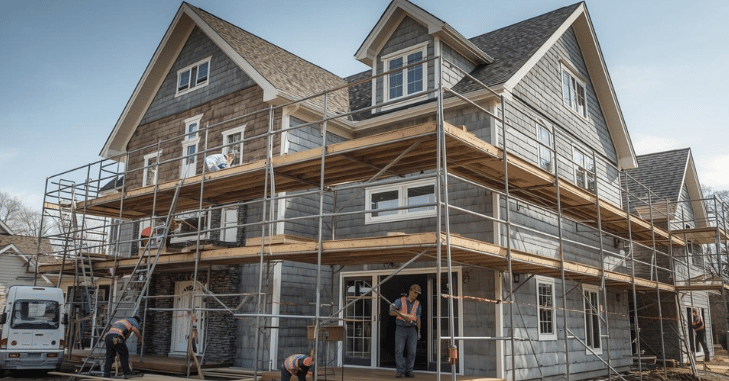
Installing fiber cement siding involves several stages, and careful preparation is essential for achieving durable and professional results. Each step in the installation process ensures that the siding performs effectively and protects the home from weather damage for many years.
Prepare the Exterior Wall Surface
The first step in fiber cement siding installation is preparing the exterior wall surface. This preparation ensures that the siding will be installed securely and function properly. Homeowners or contractors should remove any old siding, if necessary, inspect the wall structure for damage, and repair any rot or structural problems before proceeding.
Install Starter Strips
Starter strips are installed next to create a stable and level base for the first row of siding boards. These strips must be perfectly leveled to ensure that all subsequent siding rows remain aligned. The strips are typically attached using galvanized nails to prevent rust and corrosion.
Cut Fiber Cement Boards
Accurate cutting of fiber cement boards is crucial for achieving a clean and professional appearance. Installers should use a circular saw equipped with a specialized fiber cement blade to create smooth cuts. Careful measurement of each board before cutting helps avoid mistakes and material waste.
Install the First Row of Siding

The first row of siding is one of the most important parts of the installation process because it determines the alignment of all the rows that follow. The board should be aligned carefully with the starter strip and secured using corrosion-resistant nails. Maintaining consistent spacing between boards ensures a neat appearance and allows for natural expansion and contraction of the material.
Continue Installing Additional Rows
Once the first row is installed, additional rows of fiber cement siding can be added above it. Each board should overlap the previous row according to the manufacturer’s guidelines to create an effective water-shedding system. Installers should frequently check alignment using a level and maintain consistent spacing between boards to ensure a uniform and professional-looking exterior.
Install Trim and Corner Pieces
Trim boards and corner pieces are installed after the main siding panels are in place. These components provide a finished appearance while also protecting exposed edges and seams. Trim pieces cover gaps between siding panels, reinforce the structure, and enhance the overall visual appeal of the home.
Seal Joints and Gaps
Proper sealing is essential for preventing water penetration and protecting the home’s structure. Exterior-grade caulking should be applied to joints and seams, particularly around windows, doors, and trim pieces. Flashing may also be installed at critical points to redirect water away from the siding.
Paint or Finish the Siding
Many fiber cement siding products come pre-painted from the manufacturer, but some installations may require painting after installation. Applying high-quality exterior paint designed specifically for fiber cement siding enhances the appearance and adds an extra layer of weather protection.
Average Cost

The cost of installing fiber cement siding can vary depending on factors such as home size, labor costs, materials, and design complexity. The table below provides an overview of the typical costs and key factors that influence the overall installation price.
| Category | Details | Estimated Cost / Impact |
| Material Cost | Fiber cement siding boards and related materials | $5 – $10 per square foot |
| Installation Cost | Labor charges for professional installation | $6 – $15 per square foot |
| Total Average Cost | Overall cost for a standard home installation | $12,000 – $30,000 |
| Home Size & Layout | Larger or more complex homes require more materials and labor | Increases total cost |
| Quality & Brand | Premium brands and higher-quality boards cost more | Moderate to high impact |
| Labor Rates | Contractor rates vary depending on location | Varies by region |
| Removal of Old Siding | Removing existing siding before installation | Additional labor cost |
| Extra Insulation or Barriers | Adding insulation or waterproof layers | Adds to the total project cost |
Maintenance Tips for Fiber Cement Siding

Although fiber cement siding is considered low-maintenance, regular care can help extend its lifespan and keep it looking fresh and attractive for many years.
Annual Cleaning
- Clean the siding once or twice a year to remove dirt and debris
- Use a garden hose, mild detergent, and a soft brush or cloth
- Avoid using pressure washers, as strong pressure may damage the siding surface
Inspect for Damage
- Perform regular inspections to identify problems early
- Check for cracks or chips in the boards
- Look for loose or damaged siding panels
- Inspect caulking around joints and edges
- Fixing minor issues quickly can prevent costly repairs later
Repaint When Necessary
- Fiber cement siding usually requires repainting every 10–15 years, depending on weather conditions
- Repainting helps maintain color vibrancy
- It also improves weather resistance and strengthens the protective coating
Maintain Caulking and Seals
- Caulking around joints and seams may wear out over time
- Inspect seals annually to ensure they remain intact
- Replace cracked or damaged caulking when needed
- Proper sealing helps prevent moisture intrusion and improves the energy efficiency of the home.
Common Mistakes to Avoid During Installation

- Improper spacing between siding boards
- Using incorrect nails or fasteners
- Skipping weather barriers
- Poor cutting techniques
- Failing to seal joints properly
Conclusion
Fiber cement siding installation is a smart investment for homeowners looking to enhance both the durability and aesthetic appeal of their home. This siding option provides long-lasting protection against fire, pests, moisture, and harsh weather conditions while requiring minimal maintenance.
By understanding the complete process, including costs, required tools, materials, step-by-step installation, and proper maintenance, homeowners can ensure a successful and professional fiber cement siding installation.
Whether opting for a DIY project or hiring professional contractors, fiber cement siding installation not only improves your home’s exterior appearance but also increases its energy efficiency and long-term value, making it a worthwhile upgrade for any property.
Want to know about How to Clean Shower Tiles? The Ultimate Guide to a Sparkling, Fresh, and Hygienic Bathroom Check out our New Construction Homes category.
FAQs
To prevent cracking, pre-drill holes, use corrosion-resistant screws or nails, and refrain from overtightening.
Lap siding is usually 1 inch, but always adheres to the manufacturer’s instructions.
It is best to use a hammer or nail gun with galvanized nails that are resistant to corrosion.
Poor cutting, neglecting to seal joints, misaligned boards, improper spacing, utilizing the incorrect fasteners, and ignoring moisture barriers.