
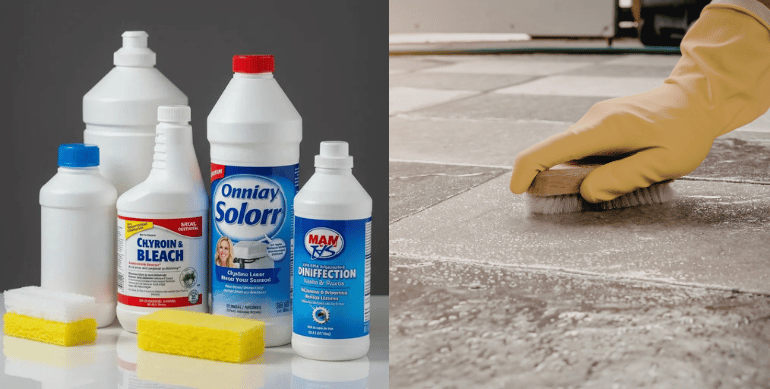
A truly effective best grout cleaner does more than just remove visible stains; it revitalizes and protects the entire tiled surface. Over time, grout absorbs dirt, moisture, and bacteria due to its porous nature, which can make floors and walls look dull and unclean.
The best grout cleaner is specially formulated to break down these deep-set impurities, lifting grime from within the grout lines rather than just cleaning the surface. Many advanced formulas also help prevent future buildup by leaving behind a protective barrier, reducing the frequency of deep cleaning.
In addition, the best grout cleaner works efficiently with minimal effort, saves time, and delivers professional-level results. By choosing the right product and using it regularly, you can maintain bright, fresh-looking grout and extend the life of your tiled surfaces while keeping your home cleaner and more hygienic.
| Section | Key Points |
| Purpose of Best Grout Cleaner | Removes deep stains, dirt, and mold, and restores grout appearance while protecting tiles |
| How It Works | Penetrates porous grout, lifts embedded grime, and may leave a protective layer to prevent future buildup |
| Why Grout Gets Dirty | Grout is porous and absorbs dirt, moisture, soap scum, grease, and bacteria over time |
| Types of Grout Cleaners | Chemical-based, oxygen-based, and natural cleaners each serve different cleaning needs |
| Top Cleaners | Popular options include Soft Scrub With Bleach, Black Diamond, Pink Stuff, CLR, and Tilex |
| Cleaning Process | Apply cleaner, scrub grout, rinse thoroughly, and dry completely for best results |
| Tools Needed | Grout brushes, electric scrubbers, microfiber cloths, and spray bottles help improve cleaning efficiency |
| Maintenance Tips | Regular cleaning, wiping spills, proper ventilation, and sealing grout help keep it clean longer |
| Mistakes to Avoid | Using harsh chemicals, skipping rinsing, using metal brushes, and ignoring sealing can damage grout |
| When to Call Professionals | Needed for severe mold, deep stains, crumbling grout, or when DIY methods fail |
Best Grout Cleaner
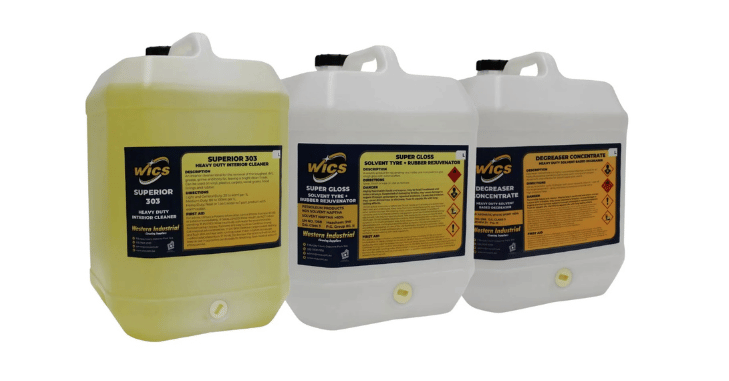
Choosing the best grout cleaner can make a significant difference in maintaining the appearance and hygiene of tiled surfaces. A high-quality grout cleaner is designed to penetrate deep into porous grout lines, removing stubborn dirt, stains, mold, and soap scum that regular cleaners often leave behind.
The best grout cleaner typically combines powerful cleaning agents with surface-safe ingredients, allowing it to restore the original color of grout without causing damage to tiles. Whether you are dealing with bathroom buildup, kitchen grease, or long-term discoloration.
The best grout cleaner provides an efficient solution that minimizes scrubbing while delivering noticeable results. It is also important to choose a product that suits your tile type and cleaning needs, ensuring long-lasting cleanliness and protection for your grout.
Understanding Grout and Why It Gets Dirty
Grout is typically made from a mixture of cement, water, and sand. Unlike tile surfaces, it is porous and absorbent, which makes it vulnerable to:
- Dirt and dust buildup
- Soap scum in bathrooms
- Grease and food particles in kitchens
- Mold and mildew in damp environments
Types of Grout Cleaners

Understanding these types helps you choose the most effective solution:
Chemical-Based Grout Cleaners
These are the most powerful cleaners and are ideal for deep stains and heavy buildup. They often contain bleach or strong cleaning agents that break down tough grime.
Benefits:
- Excellent for removing mold and mildew
- Works quickly on stubborn stains
- Requires less scrubbing
Limitations:
- May produce strong fumes
- Not suitable for all tile types
Oxygen-Based Cleaners
These cleaners use oxygen to lift stains from grout without harsh chemicals. They are safer for colored grout and more environmentally friendly.
Benefits:
- Safer and less toxic
- Effective for moderate stains
- Gentle on grout color
Limitations:
- May require more time and effort
- Less powerful than bleach-based options
Natural and Homemade Cleaners
Common natural solutions include baking soda, vinegar, and hydrogen peroxide mixtures. These are ideal for light cleaning and regular maintenance.
Benefits:
- Eco-friendly and inexpensive
- Safe for most surfaces
- Easy to prepare
Limitations:
- Less effective on deep stains
- Requires more scrubbing
Top Grout Cleaners and Their Strengths
Here are some of the most effective grout cleaners commonly recommended by experts and homeowners:
Soft Scrub With Bleach Cleaner Gel
This is one of the most effective cleaners for whitening grout. Its gel formula sticks to vertical surfaces, making it ideal for bathroom tiles and shower walls. It works quickly and requires minimal scrubbing.
Black Diamond Ultimate Grout Cleaner
This cleaner is known for its powerful yet versatile formula that works on a wide range of grout and tile types. It is highly effective in restoring heavily stained or dirty grout lines, bringing back their original color and appearance.
Star Drops The Pink Stuff Cleaning Paste
This popular cleaning paste is well known for its multi-purpose use and strong cleaning performance. It can be used not only on grout but also on tiles, sinks, and other household surfaces. It is especially effective for removing light stains, soap scum, and everyday dirt buildup.
CLR Brilliant Bath Foaming Cleaner
This foaming cleaner is designed to expand on contact, allowing it to reach deep into grout lines and hard-to-reach areas. It is particularly effective at breaking down soap scum, limescale, and bathroom residue. The foam clings to surfaces, giving it more time to dissolve dirt before rinsing.
Tilex Mold and Mildew Remover
This cleaner is specifically formulated to target and eliminate mold and mildew, making it ideal for damp and humid areas such as bathrooms and showers. It works quickly to kill mold spores and remove dark stains caused by moisture buildup.
How to Choose the Best Grout Cleaner
Type of Grout
- Cement-based grout can usually handle stronger cleaners
- Colored grout requires gentle or non-bleaching solutions
- Epoxy grout is more resistant, but still needs proper care
Level of Dirt and Staining
- Light dirt can be removed with mild or natural cleaners
- Moderate stains require oxygen-based cleaners
- Heavy stains and mold may need bleach-based solutions
Surface Compatibility
- Always check if the cleaner is safe for your tile type
- Avoid using harsh chemicals on delicate surfaces
- Natural stones like marble and granite can be easily damaged
- Read product labels and instructions carefully
- Test the cleaner on a small hidden area first
Application Method
- Spray cleaners are easy to apply, but may run off
- Gel cleaners stay in place longer for better results
- Foam cleaners expand to cover larger areas
Step-by-Step Guide to Cleaning Grout Effectively
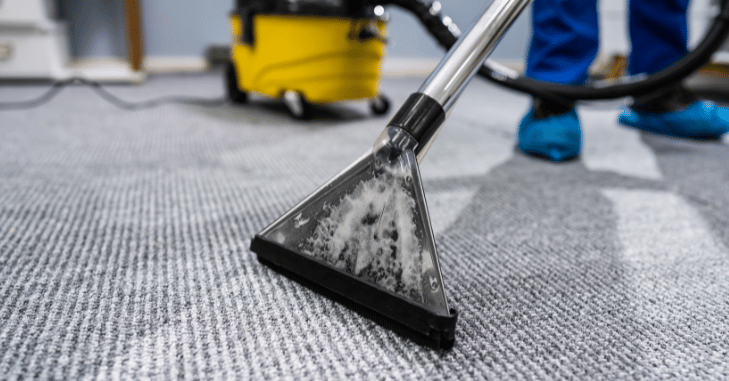
| Step | Action | Details |
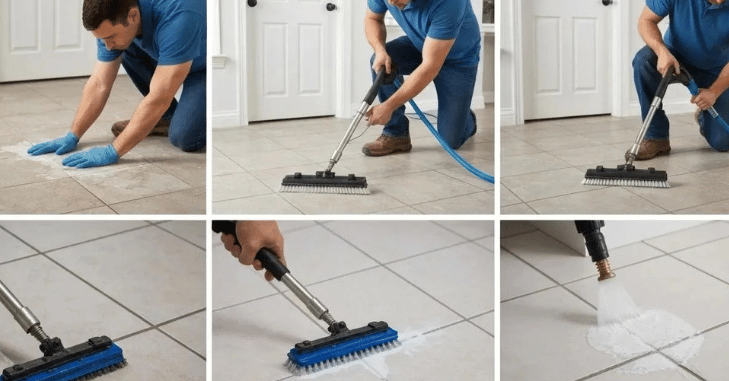
| Apply the Cleaner | Apply grout cleaner | Put the cleaner directly onto grout lines and let it sit for a few minutes to break down dirt and stains. |
| Scrub the Grout | Scrub thoroughly | Use a stiff-bristle grout brush or an old toothbrush to clean the grout lines properly. |
| Rinse the Surface | Remove residue | Wipe or rinse the area with clean water to remove loosened dirt and leftover cleaner. |
| Dry the Area | Dry completely | Use a clean cloth or let the surface air dry to prevent moisture buildup. |
Best Tools for Cleaning Grout
Using the right tools can make grout cleaning much easier:
- Grout brushes with stiff bristles
- Electric scrubbers or drill brush attachments
- Microfiber cloths for wiping
- Spray bottles for DIY solutions
Tips for Maintaining Clean Grout

Keeping grout clean is easier than restoring it. Follow these maintenance tips:
- Clean grout regularly to prevent buildup
- Wipe spills immediately, especially in kitchens
- Use a mild cleaner for routine maintenance
- Keep areas well-ventilated to prevent mold growth
- Apply grout sealer after deep cleaning
Common Mistakes to Avoid
To protect your grout and keep it in good condition, it is important to avoid common cleaning mistakes that can cause damage over time. Using overly harsh chemicals without testing them first can weaken or discolor the grout, while skipping the rinsing step after cleaning may leave behind residue that attracts more dirt.
Ignoring grout sealing after a deep clean can also lead to faster staining and moisture absorption. Additionally, using metal brushes can scratch and erode the grout surface, making it more vulnerable to damage.
When to Consider Professional Cleaning?
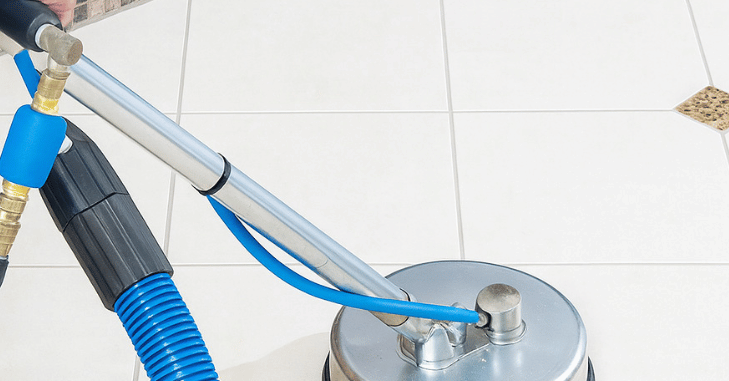
In some cases, grout may be too damaged or deeply stained for DIY cleaning. You may need professional help if:
- Grout is permanently discolored
- There is a severe mold infestation
- Grout is crumbling or damaged
- DIY cleaning methods do not work
Conclusion
The best grout cleaner depends on the condition of your grout, the type of tile, and your cleaning preferences. From powerful chemical cleaners to gentle natural solutions, there are many effective options available.
By using the right product, proper tools, and consistent maintenance, you can keep your grout looking fresh, clean, and like new for years to come. A clean grout not only improves the appearance of your home but also contributes to a healthier and more hygienic living environment.
Want to know about How to Get Dry-Erase Marker Out of Clothes? Proven Cleaning Techniques, Tips, and Fabric-Safe Solutions Check out our Quick Bites category.
FAQs
The best grout cleaner is specially designed to penetrate deep into porous grout lines, removing embedded dirt, mold, and stains instead of just cleaning the surface. It often includes advanced ingredients that help protect grout and prevent future buildup.
For best results, clean grout every few weeks for maintenance. Perform deep cleaning with a stronger grout cleaner every few months, depending on the level of dirt, moisture, and usage in the area.
Some grout cleaners can damage delicate surfaces like marble or natural stone if used incorrectly. It is important to choose a cleaner that is safe for your specific tile type and always test it on a small, hidden area first.
Yes, using the right tools can improve results. A stiff-bristle grout brush, electric scrubber, or even a toothbrush can help remove dirt more effectively and make the cleaning process easier.
For heavy stains, mold, or mildew, chemical-based or bleach-based grout cleaners are usually the most effective. They break down deep stains quickly and require less scrubbing compared to natural cleaners.
Regular cleaning, immediate spill cleanup, proper ventilation, and applying a grout sealer can help maintain clean grout. These steps reduce dirt buildup and protect grout from moisture and stains over time.

