
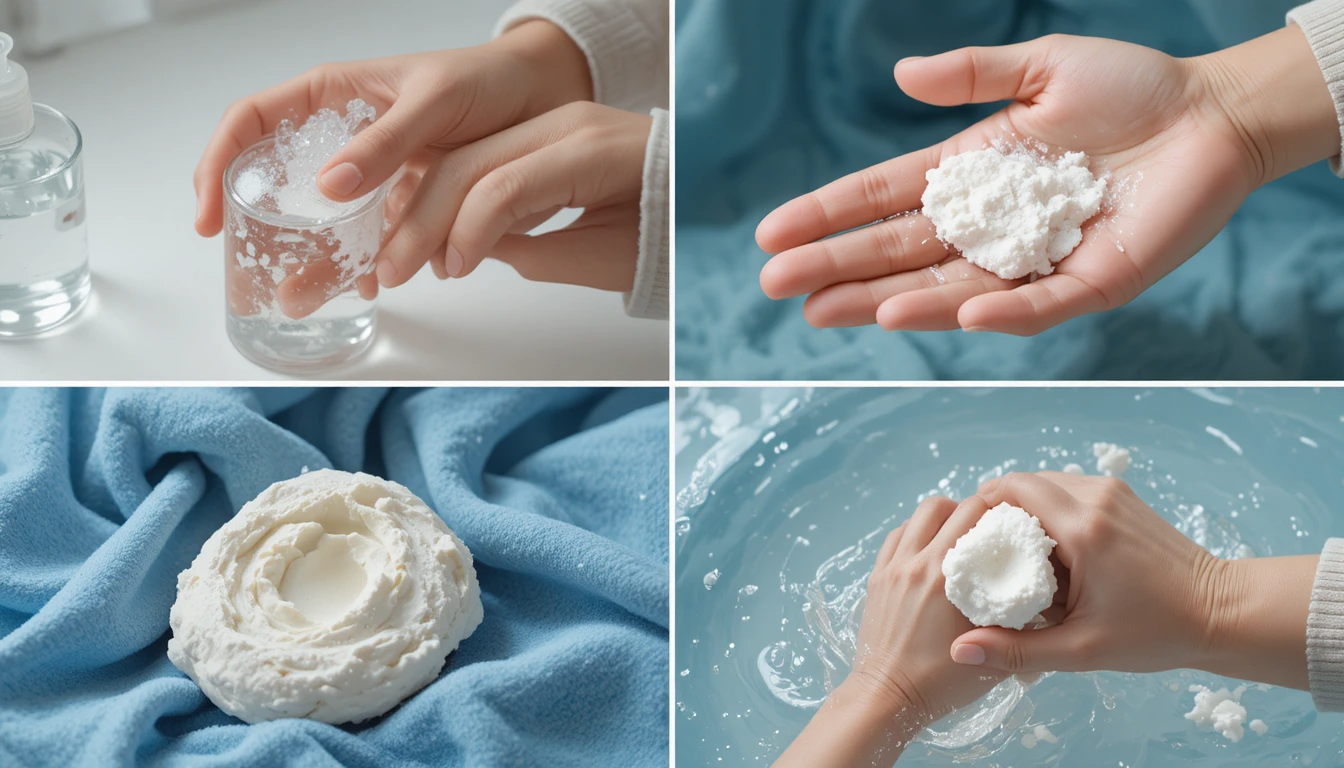
Accidentally staining your clothes with dry-erase markers can be frustrating. How to Get Dry-Erase Marker Out of Clothes? These markers are designed to write on whiteboards effortlessly, making them a popular choice in classrooms and offices. However, when they land on fabric, they can leave stubborn marks that seem impossible to remove.
The vibrant colors that make dry-erase markers effective for their intended use can be particularly problematic on clothing. Fortunately, removing dry-erase markers from clothes is possible with the right techniques and products.
Immediate action is often key to successfully removing the stain. The longer the ink sits on the fabric, the more it can bond with the fibers, making it harder to clean. Understanding the composition of dry-erase ink can also help select the appropriate cleaning method.
| Method | Best For | Steps Summary | Effectiveness | Fabric Safety |
| Rubbing Alcohol | Fresh & set-in stains | Apply with a cotton ball, blot, rinse, then wash | ⭐⭐⭐⭐⭐ (Highly effective) | Safe for most fabrics (avoid wool/silk) |
| Hand Sanitizer | Quick, on-the-go cleaning | Apply, let sit 5–10 mins, blot, rinse | ⭐⭐⭐⭐ (Very effective) | Safe for most synthetic fabrics |
| Vinegar + Baking Soda | Delicate & eco-friendly cleaning | Soak in vinegar, add baking soda, and scrub lightly | ⭐⭐⭐⭐ (Effective) | Safe for cotton and delicate fabrics |
| Dish Soap + Warm Water | Light or fresh stains | Mix solution, gently scrub, rinse | ⭐⭐⭐ (Moderate) | Very safe for all fabrics |
| Commercial Stain Remover | Stubborn or large stains | Apply product, follow instructions, wash | ⭐⭐⭐⭐⭐ (Highly effective) | Depends on product (check label) |
| Milk Soak Method | Mild stains on cotton | Soak fabric in milk, rinse, wash | ⭐⭐⭐ (Moderate) | Safe but slower process |
| Lemon Juice + Sunlight | Natural stain fading | Apply lemon juice, expose to Sunlight | ⭐⭐⭐ (Moderate) | Best for light-colored fabrics |
| Hydrogen Peroxide | Tough stains on light fabrics | Apply carefully, blot, rinse | ⭐⭐⭐⭐ (Effective) | Not safe for dark fabrics (may bleach) |
Understanding Dry Erase Markers
What Are Dry-Erase Markers?
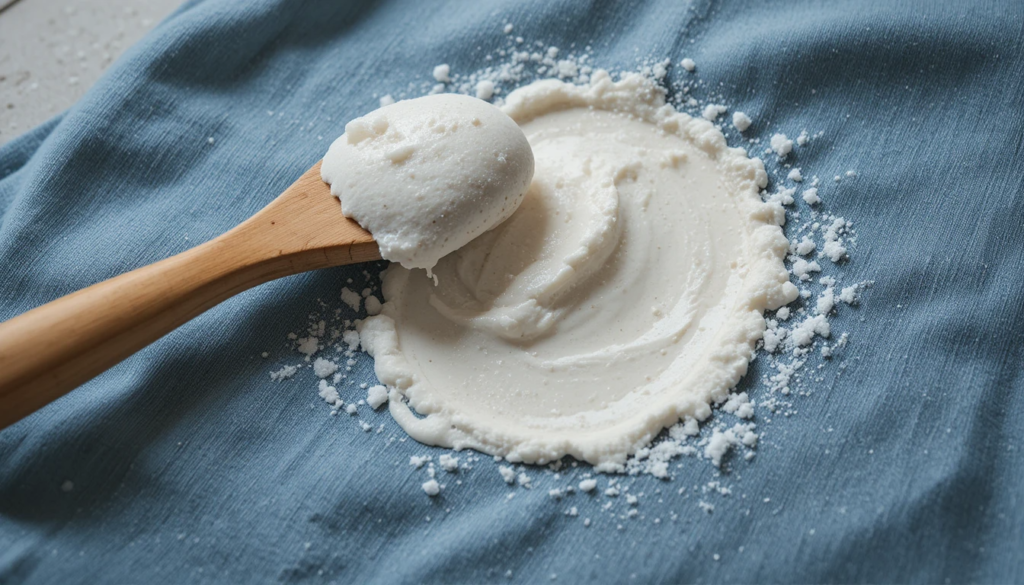
Dry-erase markers contain pigment suspended in a solvent that allows for easy application and removal from non-porous surfaces, such as whiteboards. The solvent evaporates quickly, leaving vibrant colors behind. However, when they come into contact with fabric, the ink can become embedded in the fibers, making stain removal challenging.
Why Are They Difficult to Remove?
The primary reason dry-erase stains are difficult to remove lies in their composition. The ink is made from a combination of dyes and agents that bind to the fabric fibers. If not treated promptly and properly, these stains can set and become virtually impossible to eliminate.
Immediate Actions to Take
When you find yourself with a dry-erase marker stain on your clothing, swift action is essential. Here’s what you should do immediately:
- Act Quickly: The sooner you address the stain, the better your chances of complete removal.
- Blot, Don’t Rub: Use a clean cloth or paper towel to blot the area gently. Rubbing can spread the stain further and embed it deeper into the fabric.
How to Get Dry-Erase Marker Out of Clothes? Proven Cleaning Techniques
1. Rubbing Alcohol
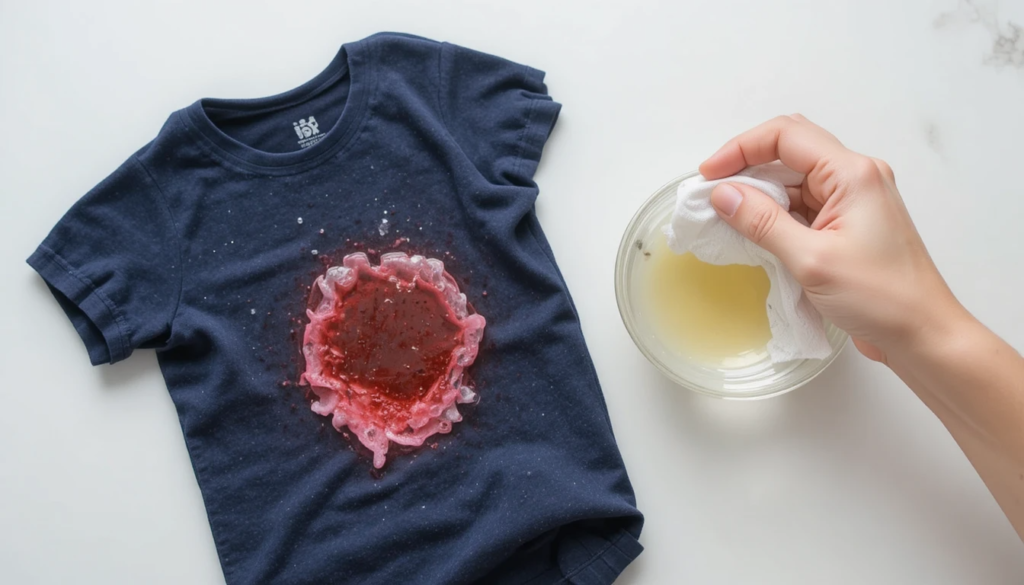
Rubbing Alcohol is one of the most effective household solvents for removing dry-erase marker stains.
Steps:
- Place a Clean Cloth Under the Stain: This will absorb the excess ink and prevent it from spreading.
- Apply Rubbing Alcohol: Dampen a cotton ball or cloth with rubbing Alcohol and gently dab it on the stain.
- Blot the Stain: Continue to blot until the ink lifts from the fabric.
- Rinse with Cold Water: Once the stain is removed, rinse the area with cold water to remove any residue.
- Launder as Usual: Wash the clothing according to care label instructions.
2. Hand Sanitizer
Another effective solution is hand sanitizer, which contains Alcohol that can break down the marker ink.
Steps:
- Apply Hand Sanitizer: Squeeze a small amount directly onto the stain.
- Gently Rub: Use your fingers or a soft cloth to rub the sanitizer into the fabric.
- Let it sit: Allow it to sit for about 5-10 minutes.
- Blot and Rinse: Blot the area with a clean cloth and rinse with cold water.
- Launder: Wash the clothing in the washing machine.
3. Vinegar and Dish Soap
For those who prefer natural cleaning solutions, a mixture of vinegar and dish soap can be effective.
Steps:
- Mix Solution: Combine 1 part vinegar, 1 part dish soap, and 2 parts water in a bowl.
- Apply the Mixture: Use a cloth to apply the solution to the stained area.
- Blot: Gently blot the stain until it begins to fade.
- Rinse: Rinse the area with cold water and then launder as usual.
4. Baking Soda Paste
Baking soda can act as a gentle abrasive to help lift the stain without damaging the fabric.
Steps:
- Make a Paste: Mix baking soda with a small amount of water to form a paste.
- Apply Paste: Use your fingers or a cloth to apply the paste to the stain.
- Let Sit: Allow the paste to sit for 15-20 minutes.
- Gently Scrub: Use a soft brush or cloth to scrub the area gently.
- Rinse and Launder: Rinse in cold water, then wash according to the care instructions.
Milk Soak Method for Dry-Erase Marker Removal
Another effective and fabric-friendly method for removing dry-erase marker stains is the milk soak technique, especially suitable for delicate or sensitive fabrics. In this method, the stained portion of the clothing is soaked in cold milk for several hours, allowing the natural fats and proteins in the milk to gradually break down and loosen the ink particles from the fabric fibers.
After soaking, the area should be gently rinsed with cold water and then washed using a mild detergent. While this method works more slowly compared to alcohol-based solutions, it offers a safe and non-damaging alternative when harsh chemicals are not recommended, helping preserve the texture and quality of delicate garments.
Tips for Effective Stain Removal
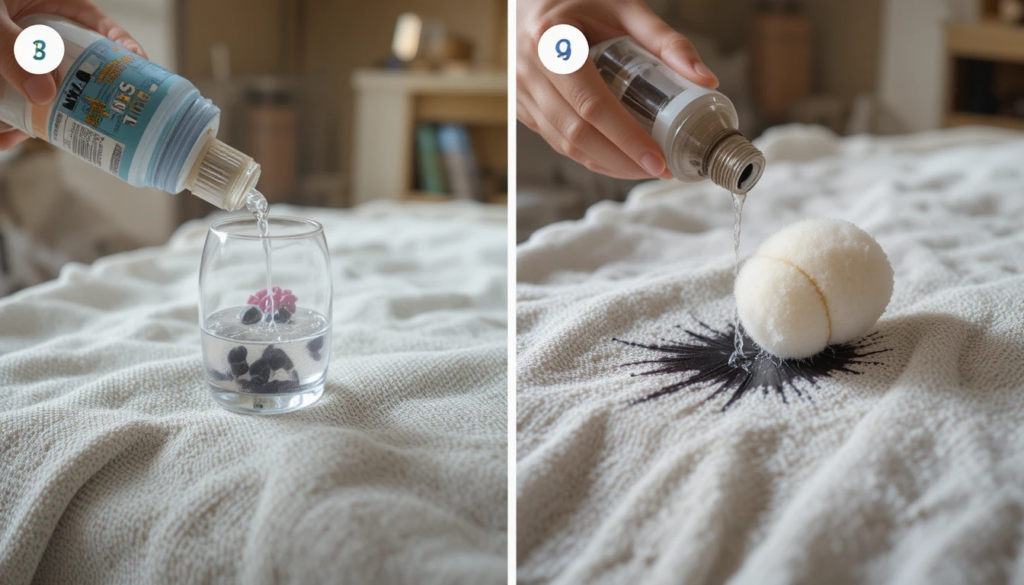
Before applying any cleaning solution, test it on a hidden or inconspicuous part of the fabric to ensure it doesn’t cause damage. Avoid using hot water or heat when treating the stain, as heat can set the ink, making removal much harder.
Always read and follow the care instructions on the clothing label to prevent further damage. Finally, be prepared to repeat the treatment if necessary; stubborn stains often require multiple gentle applications for full removal.
Fabric-Safe Solutions
It’s important to protect your garments when removing stains. Here are some fabric-safe solutions to consider:
| Fabric Type | Recommended Solution | Notes |
| Cotton | Rubbing Alcohol | Safe for most cotton blends. |
| Polyester | Hand Sanitizer | Works well; test a hidden area first. |
| Silk | Vinegar and Dish Soap | Use sparingly; rinse immediately. |
| Wool | Baking Soda Paste | Gentle scrubbing; avoid excess moisture. |
What to Avoid
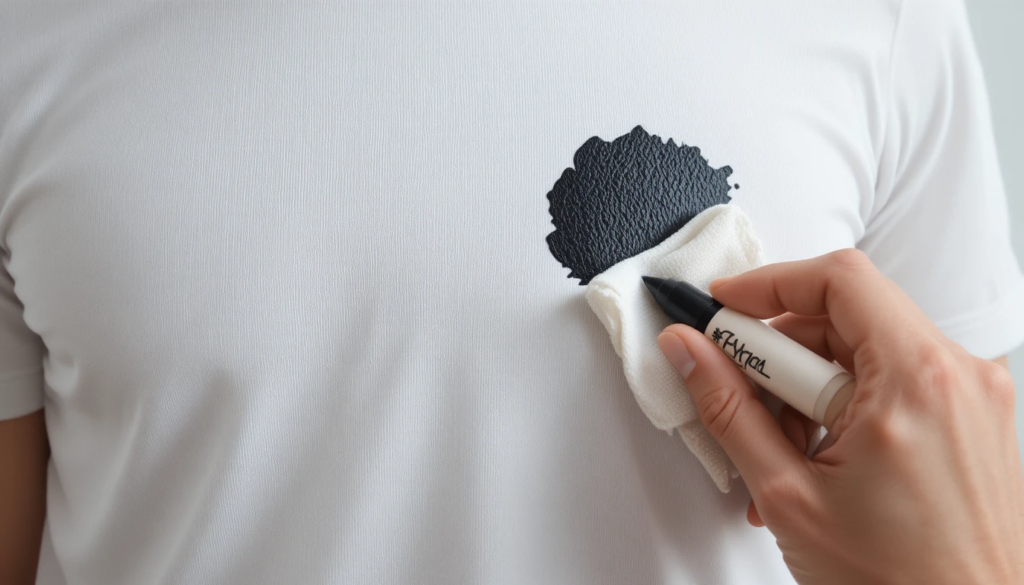
When removing dry-erase marker from clothes, there are some products and methods you should avoid:
- Bleach: This can cause discoloration and damage to many fabrics.
- Hot Water: As mentioned, hot water can set the stain, making it harder to remove.
- Excessive Rubbing: This can spread the stain and cause damage to the fabric.
Preventing Future Stains
Taking steps to prevent dry-erase marker stains in the first place can save you time and hassle. Here are some strategies:
- Designated Areas: Use markers in areas away from clothing.
- Proper Storage: Store dry-erase markers in a dedicated location, away from fabric surfaces.
- Protective Clothing: When using dry-erase markers, consider wearing aprons or old shirts you don’t mind staining.
Conclusion
Removing dry-erase marker stains from clothing can be straightforward with the right techniques and products. By acting quickly and employing one or more of the methods outlined in this guide—such as rubbing Alcohol, hand sanitizer, vinegar and dish soap, or baking soda paste—you can effectively restore your garments to their original condition.
With the provided cleaning techniques, tips, and fabric-safe solutions, you will be well-equipped to tackle dry-erase marker stains confidently. Implementing preventive measures can also help you avoid these stains in the future, saving you time and maintaining the integrity of your wardrobe.
Want to know about The Complete Guide to Hypoallergenic Laundry Detergents for Sensitive Skin, Babies, and Allergy-Prone Families Check out our Quick Bites category.
FAQs
Blot the stain gently with a clean cloth or paper towel to absorb excess ink; avoid rubbing. Treat the stain as soon as possible — the sooner, the better.
Rubbing Alcohol (isopropyl alcohol) is typically the most effective household solvent. Hand sanitizer (alcohol-based) is a good alternative.
No — bleach can cause discoloration and damage many fabrics. Avoid bleach unless the garment is plain white and the care label explicitly allows it.
No — hot water can set the dye. Use cold water when rinsing treated areas.

