Indoor plants have become more than just decorative elements; they are a source of relaxation, health benefits, and natural beauty. Native to the tropical forests of Brazil, prayer plants are scientifically known as Maranta leuconeura and are prized for their ornamental patterns, vibrant colors, and fascinating nocturnal leaf folding, a natural phenomenon called nyctinasty, in which leaves fold upward at night as if in prayer.
Among them, the plant stands out for its striking foliage, unique leaf movements, and ability to transform any space into a calm tropical oasis. Adding a plant to your home is not just an aesthetic choice; it’s also a mental wellness booster. Research shows that having indoor plants can reduce stress, improve concentration, and create a more inviting environment.
With proper care, these plants thrive indoors and provide beauty, air purification, and psychological benefits. This comprehensive guide will cover popular varieties, step-by-step care instructions, common problems and solutions, propagation techniques, and creative home décor styling ideas to help you enjoy a healthy, vibrant indoor plant for years to come.
Prayer Plant Care, Varieties, and Benefits Overview
| Aspect | Details |
|---|---|
| Plant Name | Prayer Plant (Maranta leuconeura) |
| Origin | Native to the tropical regions of Brazil |
| Unique Feature | Leaves fold at night (nyctinasty) |
| Leaf Appearance | Broad, patterned, and colorful foliage |
| Popular Variety 1 | Kerchoveana (Green Prayer Plant) |
| Popular Variety 2 | Tricolor (Green, cream, pink leaves) |
| Popular Variety 3 | Erythroneura (Red vein pattern) |
| Popular Variety 4 | Fascinator (Deep green with light patterns) |
| Light Requirement | Bright, indirect sunlight |
| Low Light Tolerance | Can survive but grows slowly |
| Watering Rule | Water when the top inch of soil feels dry |
| Soil Type | Well-draining, peat-based soil |
| Humidity Level | Prefers 50–70% humidity |
| Ideal Temperature | 65–80°F (18–27°C) |
| Fertilization | Feed every 4–6 weeks in the growing season |
| Pruning | Remove yellow or damaged leaves |
| Leaf Cleaning | Clean leaves gently with a damp cloth |
| Propagation Method | Stem cuttings in water or soil |
| Root Development Time | 2–4 weeks |
| Common Problem 1 | Leaf curling due to dryness |
| Common Problem 2 | Brown tips from low humidity |
| Common Problem 3 | Yellow leaves from overwatering |
| Pest Issues | Spider mites and mealybugs |
| Air Benefit | Helps improve indoor air quality |
| Safety | Non-toxic to pets and humans |
What Is a Prayer Plant?
The plant is a tropical perennial with broad, oval leaves adorned with striking patterns, veins, and sometimes colorful undersides. The most captivating feature is its leaf-folding behavior, where leaves rise at night and flatten during the day. This is nature’s way of conserving water and protecting delicate leaf surfaces from moisture loss, especially in low-light forest floors.
Scientific and Health Insights
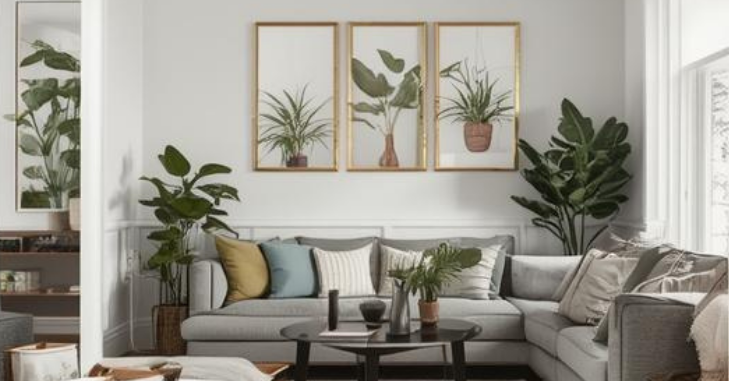
- Air Purification: It helps remove airborne toxins like formaldehyde and benzene, improving indoor air quality.
- Psychological Benefits: Indoor greenery has been shown to reduce stress, enhance focus, and improve mood.
- Non-Toxicity: Safe for humans and pets alike, plants are ideal for homes with children and animals.
Popular Prayer Plant Varieties

Understanding the different varieties will help you select one that matches your home’s light conditions, style preferences, and level of care.
1. Maranta leuconeura ‘Kerchoveana’ (Green Prayer Plant)
- Dark green leaves with lighter green veins and a red midrib.
- Reaches up to 12 inches indoors.
- Thrives in medium indirect light and benefits from regular humidity.
2. Maranta leuconeura ‘Tricolor’
- Leaves feature green, cream, and pink shades.
- Slower grower, perfect for decorative shelves or terrariums.
- Requires warm temperatures and consistent moisture.
3. Maranta leuconeura ‘Fascinator.’
- Deep green leaves with subtle white or pale green patterns.
- Adds a tropical touch to modern interiors.
4. Maranta leuconeura ‘Erythroneura’ (Red Vein Prayer Plant)
- Bold red veins against dark green leaves.
- One of the most striking for visual impact in living rooms or offices.
5. Other Notable Varieties
- Maranta leuconeura ‘Lemon Lime’: bright green with lime accents, ideal for vibrant décor.
- Maranta leuconeura ‘Silver’: silvery-green leaves with elegant veining.
- Maranta leuconeura ‘Burle Marx’: rich green with golden patterns, named after the famous Brazilian landscape designer.
How to Care for Your Plant?
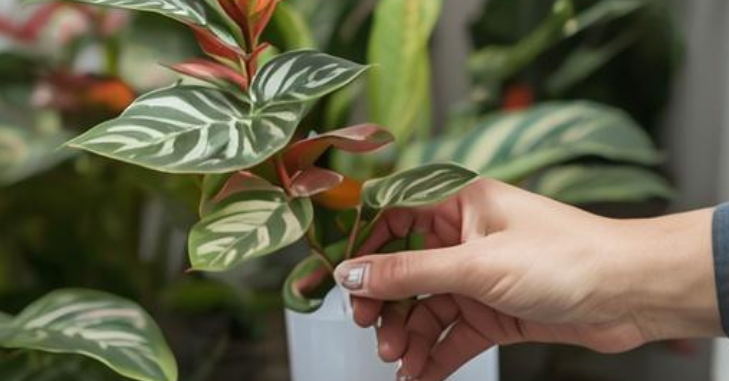
Plants are tropical understory plants, meaning they naturally grow in filtered light, high humidity, and warm temperatures. With the right care, they flourish indoors.
1. Light Requirements
- Bright, indirect light is ideal.
- Can tolerate low-light environments, but growth may slow, and patterns fade.
- Avoid direct sunlight, which can cause yellowing or scorched leaves.
2. Watering
- Water your plant once the top layer of soil, about an inch deep, begins to feel dry to the touch.
- Use filtered or room-temperature water to prevent mineral buildup, which can damage leaves.
3. Humidity and Temperature
- Plants thrive in 50–70% humidity.
- Ideal temperatures: 65–80°F (18–27°C).
- Increase humidity using:
- Humidifiers.
- Pebble trays with water.
- Grouping multiple plants together.
4. Soil and Fertilization
- Use peat-based, well-draining potting mix.
- Apply a balanced liquid fertilizer to your plant every 4 to 6 weeks throughout spring and summer.
- Avoid fertilizing in winter when growth slows.
5. Pruning and Leaf Care
- Remove yellowing or damaged leaves regularly.
- Gently clean the leaves with a damp cloth to remove dust and deter pests.
- Trim tips if they turn brown due to low humidity or over-fertilization.
6. Propagation
- Propagate via stem cuttings:
- Cut a stem with 2–3 leaves.
- Place in water or moist soil.
- Roots typically develop within 2–4 weeks.
Common Plant Problems and Solutions

Even experienced growers encounter occasional issues. Knowing what to watch for ensures your plant stays healthy.
| Problem | Signs | Solution |
| Leaf curling | Dry soil, low humidity | Water properly, increase humidity |
| Brown leaf tips | Over-fertilization or dry air | Flush soil, trim tips, maintain humidity. |
| Yellowing leaves | Overwatering or poor drainage | Reduce watering, ensure well-draining soil |
| Leaf discoloration | Low light or temperature stress | Adjust light exposure and room temperature. |
| Pests (spider mites, mealybugs) | Webbing, discoloration | Clean leaves, use insecticidal soap |
Styling Plants in Your Home

Plants are versatile and decorative, making them a perfect choice for home décor.
1. Tabletop Display
- Use small plants in ceramic or glass pots.
- Ideal for coffee tables, desks, or bedside tables.
- Creates a natural focal point without cluttering the space.
2. Hanging Planters
- Best for trailing varieties like Tricolor.
- Let leaves cascade for a lush tropical effect.
3. Shelves and Green Corners
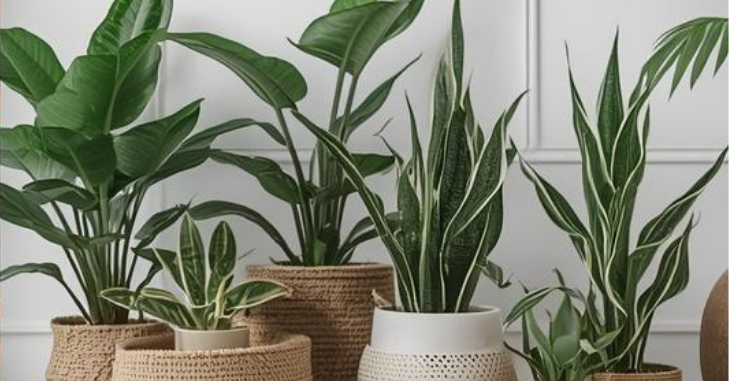
- Combine with ferns, pothos, or snake plants.
- Grouping plants increases humidity and enhances visual appeal.
4. Minimalist and Modern Interiors
- Pair Plants with monochrome or metallic pots.
- Their bold patterns stand out in neutral-toned rooms.
5. Wellness Corners
- Place near windows for natural light and mental relaxation.
- Ideal for reading nooks, meditation areas, or offices.
Scientific and Mental Health Benefits
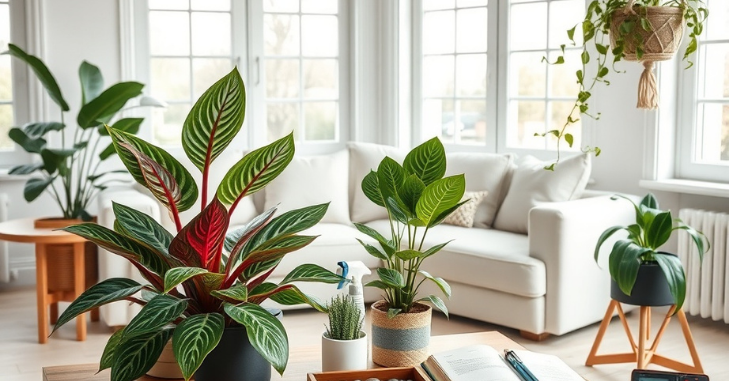
- Air Purification: Helps clean indoor air by removing harmful substances such as formaldehyde and benzene.
- Stress Reduction: Indoor greenery lowers stress hormones and improves focus.
- Visual Relaxation: Rhythmic leaf movements can be soothing and meditative.
- Non-Toxic: Safe for homes with children and pets, unlike some tropical plants.
Prayer Plants and Indoor Humidity Balance
Prayer plants are also considered excellent choices for improving indoor humidity balance, especially in dry environments where heating or air conditioning can reduce moisture levels. Their natural ability to release moisture through transpiration helps create a more comfortable atmosphere for both people and other nearby plants.
This makes them particularly useful in bedrooms, offices, and enclosed living spaces. Additionally, their slow-to-moderate growth rate allows them to maintain a compact size for a long time, making them ideal for small apartments, tabletops, and decorative plant arrangements without requiring frequent repotting or heavy maintenance.
Conclusion
Prayer plants are more than just decorative greenery. They are living art pieces that combine beauty, science-backed benefits, and a calming presence. By understanding their varieties, care requirements, and styling potential, anyone can enjoy a thriving, vibrant plant indoors.
Whether you choose the red-vein Erythroneura for bold impact, a Tricolor for cascading elegance, or a Green Kerchoveana for subtle beauty, plants bring life, color, and wellness to any home. With the right attention to light, water, and humidity, your plant will flourish, turning your space into a soothing, tropical sanctuary.
Want to know about The Ultimate Guide to the Best Grout Cleaner: Deep Cleaning, Stain Removal, and Long-Lasting Protection for Sparkling Tiles, and More Info Check out our Quick Bites category.
Frequently Asked Questions (FAQs)
Yes, but they grow more slowly, and leaf colors may fade.
Nyctinasty: leaves fold naturally in response to darkness, conserving water.
Yes, they are non-toxic to cats and dogs.
Take a stem cutting with 2–3 leaves, place it in water or moist soil, and transplant once roots develop.
Avoid over-fertilizing, maintain proper humidity, and trim replacement tips.
Yes, like many indoor plants, they help filter toxins, creating a healthier environment.