Toilet Leaking are not just an inconvenience; they can also pose serious structural and health risks. Persistent water around the base can seep into the flooring and subflooring, promoting mold growth, wood rot, and damage to tiles or linoleum, compromising the integrity of your bathroom.
Leaks from cracked tanks or faulty supply lines may worsen suddenly, causing significant water loss and potential flooding. Additionally, a continuously running toilet can waste hundreds of gallons of water per day, contributing to environmental strain and significantly higher water bills. Early detection and timely repair are crucial.
Simple maintenance checks, like observing unusual water pooling, performing the food coloring test to identify flapper leaks, and inspecting supply connections, can save homeowners from costly repairs while ensuring their toilet functions efficiently and safely.
| Section | Key Points |
| Toilet Leaking | Water escaping from the toilet at unintended points, either visible (around base) or hidden (tank to bowl). Causes higher water bills and potential damage. |
| Signs of a Leaking Toilet | Water pooling around the base, continuous running water, hissing sounds, high water bills, mold or stains, water dripping inside the bowl. |
| Common Causes | Worn-out flapper, faulty fill valve, cracked tank or bowl, loose/damaged wax ring, faulty supply line/connections, condensation (“sweating”) toilet. |
| Identifying the Leak | Base leak → wax ring; Tank-to-bowl → flapper/flush valve; Supply line → drips at back; Internal leak → running water without visible leak. Food coloring test confirms tank-to-bowl leaks. |
| DIY Fixes | Replace flapper, adjust/replace fill valve, tighten/replace supply line, replace wax ring, seal cracks, or replace toilet if needed. |
| When to Call a Professional | Persistent/unexplained leaks, significant floor damage or mold, cracked tank/bowl, multiple components needing replacement. |
| Preventive Tips | Inspect flappers/fill valves regularly, avoid harsh chemicals, check the base for pooling, maintain proper water level, and consider upgrading old toilets. |
| Environmental & Financial Impact | A leaking toilet can waste 200+ gallons/day, raising water bills and causing water wastage. Can damage flooring, subflooring, and walls. |
Toilet Leaking

Toilet Leaking is one of the most common plumbing problems homeowners encounter, yet it can have surprisingly serious consequences if left unaddressed. Leaks can occur in various parts of the toilet, including the tank, bowl, base, or supply lines, and they may be either visible or hidden.
Visible leaks often present as water pooling around the toilet base or damp spots on the bathroom floor, while hidden leaks may slowly drain water from the tank into the bowl or through cracks, going unnoticed for days or weeks. Over time, even minor leaks can lead to wasted water and higher utility bills.
It increased wear on the toilet components, as constant moisture can erode seals and corrode metal parts. Understanding the source and type of leak is essential for effective repair, whether it involves replacing a worn flapper, tightening a supply line, or resealing the base with a wax ring.
Importance of Early Detection in Toilet Leaking Problems
Early detection of toilet leaks is one of the most effective ways to prevent costly repairs and long-term damage to your bathroom. Even a small, unnoticed leak can gradually weaken flooring materials, damage subfloor structures, and encourage mold growth in hidden areas.
Regular inspection of the toilet base, tank connections, and water supply lines can help identify issues before they worsen. Simple methods like listening for unusual running water, checking for moisture around the toilet, or performing periodic dye tests can quickly reveal hidden leaks. By addressing problems at an early stage, homeowners can reduce water waste, avoid structural deterioration, and ensure their toilet system remains efficient, safe, and reliable over time.
What Does a Toilet Leak Mean?
- A toilet leak happens when water escapes from the toilet at an unintended location.
- Leaks can be visible, such as water pooling around the base of the toilet.
- Leaks can also be hidden, like water slowly dripping from the tank into the bowl.
- Even small leaks can waste hundreds of gallons of water annually.
- Ignoring leaks may result in higher water bills and potential structural damage.
Common Signs of a Leaking Toilet
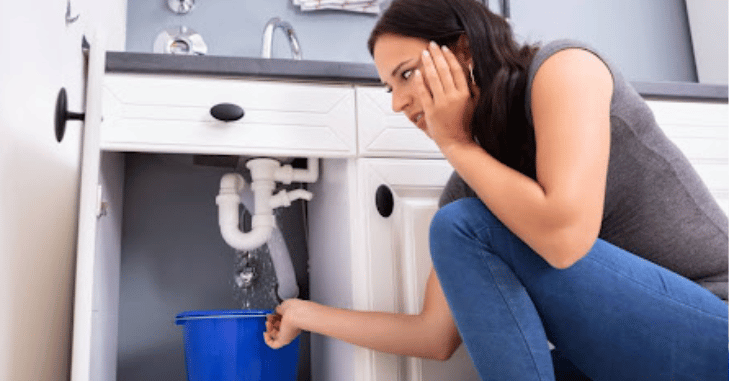
Identifying a leaking toilet early can prevent extensive damage. Common signs include:
- Water is pooling around the base of the toilet
- Continuous running water or hissing sounds in the tank
- Higher-than-normal water bills
- Stains or mold growth near the toilet
- Water drips inside the bowl when the tank is full
Causes of Toilet Leaks
| Cause | Description | Signs of a Leak |
| Worn-Out Flapper | Rubber seal at the bottom of the tank that can warp, wear out, or misalign over time. | Continuous water running from the tank to the bowl, increased water bill. |
| Faulty Fill Valve | Controls water filling in the tank; a malfunction can cause overfilling. | Water spilling into the overflow tube, constant refilling sound. |
| Cracked Toilet Tank or Bowl | Porcelain cracks from impact or manufacturing defects. | Visible water around the tank or bowl, puddles on the floor. |
| Loose or Damaged Wax Ring | Seals toilet base to drainpipe; can compress or misalign. | Water pooling around the toilet base, unpleasant odors. |
| Faulty Supply Line or Connections | Corrosion, cracks, or loose fittings in the water supply line. | Drips near the tank or floor, a hissing sound from connections. |
| Condensation / “Sweating” Toilet | Humidity causes the tank exterior to sweat; it’s not a true leak. | Water pools around the base, especially in humid environments. |
How to Identify the Type of Toilet Leak?

To fix a toilet leak effectively, the first step is to identify its source. A base leak, indicated by water pooling around the toilet base, usually points to a damaged or improperly installed wax ring. Leaks between the tank and bowl are often caused by a faulty flapper, fill valve, or flush valve, allowing water to seep continuously from the tank into the bowl.
Drips near the back of the tank typically originate from a damaged or loose supply line, which connects the water source to the tank. Internal leaks, where water continuously runs without any visible signs, often suggest problems with the flapper or flush valve.
A simple way to test for such leaks is by adding a few drops of food coloring to the tank and waiting 10–15 minutes without flushing; if colored water appears in the bowl, it confirms that the flapper or flush valve is likely the source of the leak.
DIY Fixes for a Leaking Toilet
Many toilet leaks can be fixed without professional help:
1. Replacing the Flapper
- Turn off the water supply and flush the toilet.
- Remove the old flapper and install a new one.
- Ensure it fits snugly and aligns correctly with the flush valve.
2. Adjusting or Replacing the Fill Valve
- Check the water level in the tank and adjust the float to the correct height.
- Replace the fill valve if it is damaged or unable to stop water flow.
3. Tightening or Replacing Supply Lines
- Turn off the water supply.
- Inspect the supply line for leaks, cracks, or corrosion.
- Tighten connections or replace the line as needed.
4. Replacing the Wax Ring
- Turn off the water and drain the toilet.
- Remove the toilet from the flange.
- Remove the old wax ring and install a new one.
- Reposition the toilet and secure it to the flange.
5. Sealing Cracks or Replacing the Toilet
- Minor cracks can sometimes be sealed with a waterproof epoxy, but large cracks may require a toilet replacement.
When to Call a Professional?

While many toilet leaks can be fixed with simple DIY solutions, it is important to call a professional plumber in certain situations. If the leak is persistent or its source cannot be easily identified, a plumber’s expertise is necessary to prevent further damage.
Likewise, if you notice significant floor damage or mold around the toilet, it indicates a more serious problem that requires professional attention. Cracks in the tank or bowl are also a clear sign that replacement or expert repair is needed.
Additionally, when multiple components of the toilet, such as the flapper, fill valve, or supply line, need replacement at the same time, a plumber can ensure proper installation, restore full functionality, and prevent future leaks from occurring.
Preventive Tips for Toilet Leaks
Regular maintenance can reduce the risk of leaks:
- Inspect flappers and fill valves every 6–12 months.
- Avoid using harsh chemicals that can degrade rubber seals.
- Check the base for water pooling or loose bolts.
- Keep the tank water level at the recommended height.
- Upgrade old toilets with modern, more efficient models if leaks are frequent.
Environmental and Financial Impact
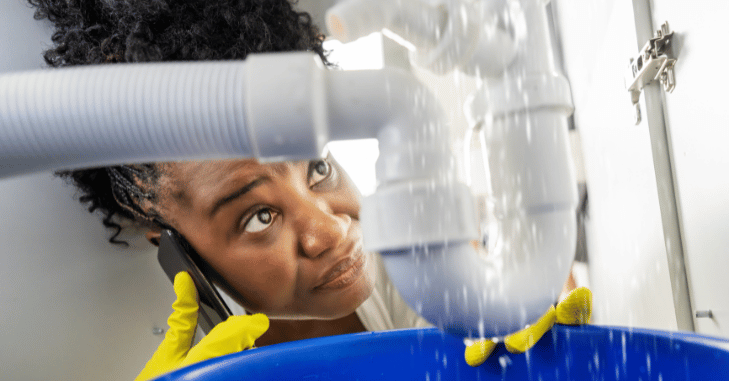
A leaking toilet can waste 200 gallons or more per day, depending on the severity and type of leak. Such continuous water loss not only leads to significantly higher water bills but also contributes to unnecessary water wastage, which is environmentally harmful.
Beyond the financial and ecological impact, persistent leaks can cause damage to bathroom flooring, subflooring, and even nearby walls, leading to costly repairs if left unaddressed. Promptly identifying and fixing toilet leaks conserves water and reduces utility costs.
Conclusion
Toilet Leaking, while often overlooked, can have far-reaching consequences for both your home and wallet. They not only contribute to excessive water waste and higher utility bills but can also damage flooring, subflooring, and bathroom fixtures over time.
Understanding the common causes, recognizing early warning signs, and taking timely action, whether through simple DIY fixes or professional repairs, can prevent costly damage and preserve your bathroom’s structural integrity.
Want to know about The Ultimate Guide to Foundation Settlement Repair: Prevention Tips, Professional Methods, and Cost Breakdown Check out our New Construction Homes category.
FAQs
A toilet leak occurs when water escapes from the toilet at an unintended location, such as the base, tank, or supply lines.
Common signs include water pooling around the base, continuous running water, hissing sounds, higher water bills, or mold and stains near the toilet.
Typical causes include worn-out flappers, faulty fill valves, cracked tanks or bowls, loose or damaged wax rings, faulty supply lines, and condensation on the tank.
Yes, many leaks can be fixed by replacing the flapper, adjusting or replacing the fill valve, tightening supply lines, or resealing the wax ring.
Call a plumber if leaks persist, floor damage or mold is present, the tank or bowl is cracked, or multiple toilet components need replacement.