Millipedes are small, moisture-loving pests that often appear unexpectedly inside homes, especially during humid or rainy conditions. While they are generally harmless, their presence in large numbers can be unpleasant and may indicate underlying moisture issues in your living space.
Understanding how to get rid of millipedes is essential for maintaining a clean, dry, and comfortable home environment. By identifying the causes of infestation, recognizing early warning signs, and applying effective natural methods and preventive strategies, homeowners can successfully manage and eliminate millipede problems before they become severe.
In addition to being a nuisance, millipedes can signal deeper issues such as poor ventilation, water leaks, or excess humidity around your home. Ignoring their presence may lead to recurring infestations, especially during seasonal changes.
Therefore, taking early action and adopting a combination of moisture control, home maintenance, and natural repellents can make a significant difference. With the right knowledge and consistent effort, you can not only remove millipedes but also prevent them from returning, ensuring a healthier and more hygienic living space.
| Section | Key Points |
| Introduction | Millipedes are harmless but indicate moisture problems. |
| What Are Millipedes | Moisture-loving arthropods are found in soil and organic matter. |
| Why They Invade Homes | Enter due to rain and humidity; seek a dry shelter. |
| Common Entry Points | Cracks, gaps, doors, windows, and foundations. |
| Signs of Infestation | Frequent sightings, damp areas, curled bodies, dead millipedes. |
| Are They Dangerous | Not harmful but may cause mild irritation and odor. |
| Natural Control Methods | Reduce moisture, improve ventilation, and seal entry points. |
| Natural Barriers | Use diatomaceous earth to dehydrate and repel them. |
| Home Remedies | Vinegar spray, essential oils, boric acid, and cleaning practices. |
| Indoor Removal Methods | Vacuuming, sticky traps, and drying affected areas. |
| Prevention Tips | Maintain drainage, remove debris, seal openings, trim plants. |
| When to Call Experts | Needed for severe or recurring infestations. |
| Final Thoughts | Combine multiple methods for effective long-term control. |
How To Get Rid Of Millipedes?
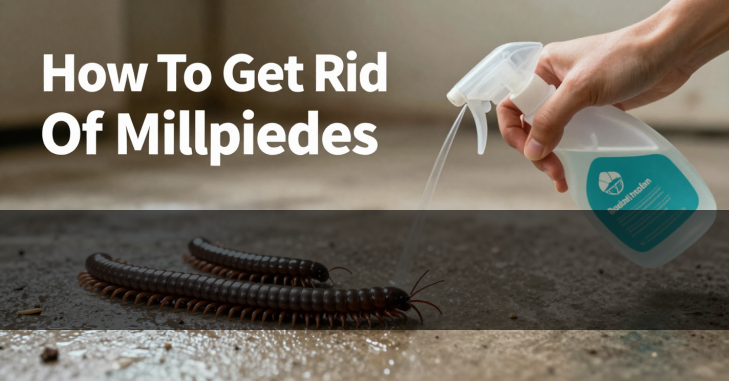
Millipedes are small, slow-moving creatures often found in damp, dark environments. While they are not harmful to humans, their sudden appearance inside homes can be unsettling and unpleasant. These multi-legged pests typically enter homes in search of moisture, especially during rainy seasons or when outdoor conditions become unfavorable.
Although they do not bite or spread diseases, their presence in large numbers can indicate underlying moisture problems and poor home maintenance. Understanding how to get rid of millipedes effectively is essential for maintaining a clean, comfortable, and pest-free living space.
What Are Millipedes and Why Do They Invade Homes?
Millipedes are arthropods with long, segmented bodies and multiple pairs of legs. They thrive in moist environments such as soil, leaf litter, and decaying organic matter. Outdoors, they play an important role in breaking down dead plant material and enriching the soil. However, when they enter homes, they become unwanted pests.
Millipedes usually invade homes when environmental conditions change. Heavy rainfall, excessive garden watering, or high humidity can force them to seek shelter indoors. Basements, bathrooms, kitchens, and other damp areas provide the perfect environment for them to survive. Cracks in walls, gaps around doors and windows, and poorly sealed foundations allow easy access into homes.
Signs You Have a Millipede Problem
- You may notice millipedes frequently appearing in your home, especially in damp areas such as bathrooms, basements, or near drains.
- Millipedes often enter in large numbers, particularly after rainfall or during humid weather conditions.
- You might find millipedes curled up in corners or along walls, as they tend to roll into a spiral shape when disturbed.
- Their presence is commonly observed near entry points, such as doors, windows, cracks, or gaps in the foundation.
- In some cases, you may observe dead millipedes accumulating in certain indoor areas.
- This usually happens because millipedes cannot survive long in dry indoor environments.
- Seeing both live and dead millipedes is a strong indication that they are entering your home from outside in search of moisture.
Are Millipedes Dangerous?
Millipedes are generally harmless to humans and pets. They do not bite, sting, or transmit diseases. However, they can release a mild defensive fluid when threatened, which may cause slight skin irritation or an unpleasant odor.
The main issue with millipedes is not their danger but their nuisance factor. Seeing multiple millipedes crawling in your home can be disturbing and uncomfortable. Additionally, their presence often indicates excess moisture or structural issues that require attention.
Natural Ways to Get Rid of Millipedes
Reducing Moisture Levels
Many homeowners prefer natural methods to eliminate millipedes, as they are safe, environmentally friendly, and easy to implement. One of the most effective approaches is reducing moisture levels in and around your home. Since millipedes are highly dependent on damp conditions, keeping your home dry can significantly reduce their presence.
Improving Ventilation
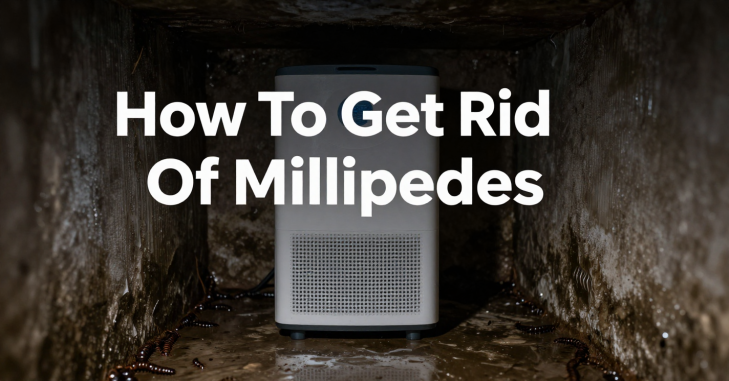
Improving ventilation is another key strategy. Opening windows, using exhaust fans, and installing dehumidifiers can help lower indoor humidity. Fixing leaks in pipes, roofs, or walls also prevents moisture accumulation, which attracts millipedes.
Sealing Entry Points
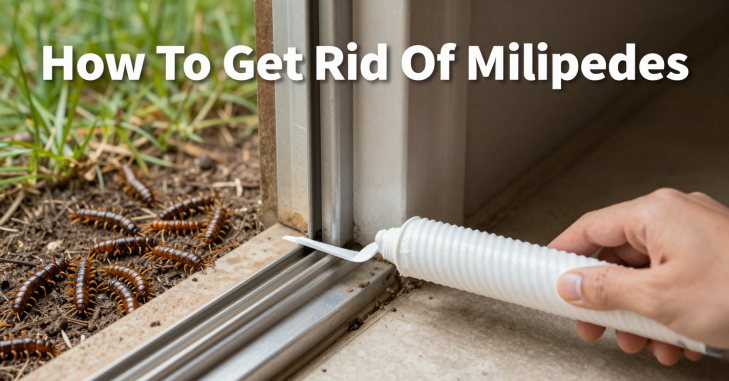
Sealing entry points is essential for keeping millipedes out. Inspect your home for cracks, gaps, and holes, and seal them using caulk or weatherstripping. Installing door sweeps and repairing damaged screens can further prevent their entry.
Using Natural Barriers
Using natural barriers, such as diatomaceous earth, is also effective. This powder can be sprinkled around entry points, basements, and other affected areas. It works by dehydrating millipedes, making it difficult for them to survive.
Best Home Remedies for Millipede Control
- A vinegar solution made by mixing equal parts water and white vinegar can be sprayed around entry points and affected areas to repel millipedes effectively.
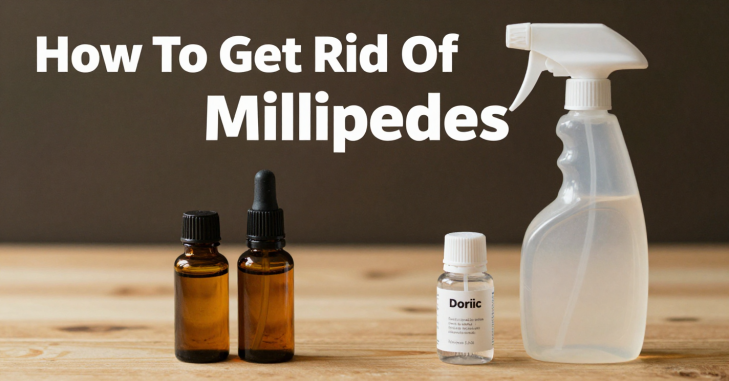
- Essential oils such as tea tree, peppermint, and eucalyptus can be diluted with water and sprayed in problem areas to act as natural deterrents.
- Boric acid can be applied in small amounts around cracks and entry points to help control millipede activity, but it should be used with caution in homes with children or pets.
- Keeping your home clean and dry by regularly sweeping, vacuuming, and removing moisture can significantly reduce the chances of millipedes settling indoors.
How to Remove Millipedes Indoors
Removing millipedes from inside your home is relatively simple. One of the easiest methods is to vacuum them up immediately. This not only removes them but also prevents their spread to other areas. Sticky traps can also be placed along walls, corners, and entry points to capture millipedes.
These traps are easy to use and help monitor the level of infestation. Cleaning and drying affected areas is crucial. Wipe down damp surfaces, fix leaks, and ensure proper airflow to reduce the environment’s suitability for millipedes.
Preventing Millipedes from Coming Back
Reducing Moisture Around Your Home
Prevention is the most effective way to deal with millipedes in the long run. Start by reducing moisture around your home. Ensure proper drainage, clean gutters regularly, and avoid overwatering plants near your foundation.
Removing Organic Debris
Remove organic debris such as leaves, mulch, and wood piles from around your home. These materials provide ideal breeding grounds for millipedes. Keeping your yard clean and well-maintained can significantly reduce its population.
Sealing Entry Points
Sealing your home is equally important. Regularly inspect and repair cracks, gaps, and openings in walls, doors, and windows. Installing barriers such as mesh screens can provide additional protection.
Maintaining Proper Landscaping
Maintaining proper landscaping also helps. Keep plants trimmed and ensure they are not too close to your home, as this can create pathways for millipedes to enter.
When to Call Professional Pest Control?
In most cases, millipede problems can be managed with simple home remedies and preventive measures. However, if you notice a large infestation or persistent activity despite your efforts, it may be time to call professional pest control services.
Professionals have the expertise and tools to identify the root cause of the problem and provide targeted solutions. They can also offer long-term prevention strategies to prevent millipedes from returning.
Final Thoughts
Dealing with millipedes may seem challenging at first, but with the right approach, it can be easily managed. Understanding why millipedes invade your home, recognizing the signs of infestation, and using effective natural methods are key to controlling the problem.
Consistency is essential in pest control. Combining multiple strategies, such as reducing moisture, sealing entry points, and using natural repellents, will yield the best results. By staying proactive and maintaining a clean, dry environment, you can successfully keep millipedes out of your home and enjoy a comfortable, pest-free living space.
Want to know about Lawn Weeds: All You Need to Know About Common Types, Effects of Weeds on Lawn Health, Causes of Lawn Weed Growth, Seasonal Growth Patterns of Lawn Weeds, And Much More Check out our Condos & Townhomes category.
FAQs
Millipedes dislike strong, pungent, and botanical scents. You can deter pests from your home and garden by using essential oils such as peppermint, tea tree, eucalyptus, and cedarwood. Additionally, natural household scents such as vinegar, garlic, cinnamon, and cayenne pepper are highly effective at repelling them.
Yes, vinegar can kill millipedes on contact due to its acidity, but it primarily acts as a mild repellent. It is not a reliable solution for a full infestation, as it is only effective on bugs directly sprayed and may attract fruit flies.
Millipedes often appear in large numbers because of sudden weather shifts, which force them to migrate from their natural outdoor habitats in search of a better environment. They are harmless to humans and your home, but their presence is usually a clear sign of high moisture in your yard or foundation.