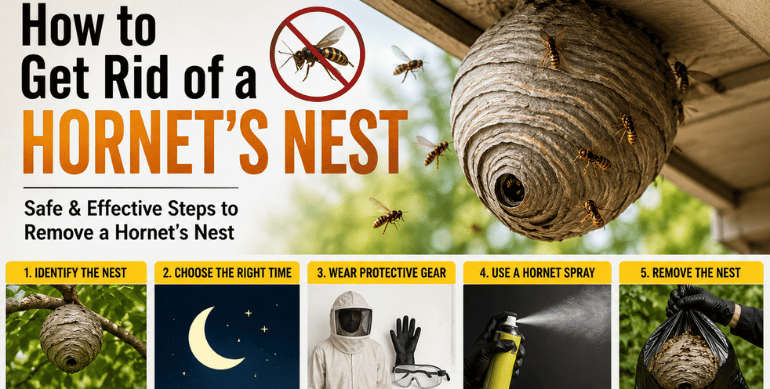
Finding a hornet’s nest near your home can be alarming and potentially dangerous. Knowing how to get rid of a hornet’s nest safely is essential because hornets are highly territorial insects that aggressively defend their colony. Even minor disturbances can trigger painful stings or swarming behavior, putting your family, pets, and neighbors at risk.
Unlike many other insects, hornets can sting multiple times, making them a serious threat, especially to children, pets, and individuals with allergies. Because of these dangers, removing a hornet’s nest requires careful planning, proper timing, and the right safety precautions rather than attempting risky removal methods.
This complete guide explains how to get rid of a hornet’s nest by helping you identify hornet nests, understand the risks they pose, and choose the safest removal method. Whether you plan to remove a small nest yourself or hire a professional pest control service for a larger infestation, you’ll learn the safest and most effective approach.
| Section | Key Points |
| What the Nest Looks Like | Round/oval, paper-like structure (gray or brown), enclosed with a small entrance, usually found in trees, roofs, or walls. |
| Why It’s Dangerous | Multiple stings, allergic reactions, swarming behavior, and high risk when disturbed. |
| Safe Removal Overview | Use insecticide sprays at night or early morning; wear protective clothing; or call professionals for safety. |
| Identify the Nest | Observe from 10–15 meters, check activity, and locate entry points before acting. |
| DIY Removal (Small Nests Only) | Only for small, visible nests. Use protective gear, spray at night, and avoid disturbing the nest afterward. |
| What You Need | Protective clothing, gloves, a face shield, hornet spray, and a flashlight. |
| Steps | Spray at night → saturate nest → leave immediately → wait 24–48 hours → check from distance. |
| Methods to Avoid | Burning, water spraying, or physically hitting the nest (very dangerous and increases attacks). |
| When to Call Professionals | Large nests, wall/roof nests, allergies, high locations, or heavy activity. |
| Professional Methods | Industrial insecticides, protective suits, safe removal tools, and prevention treatment. |
| Prevention Tips | Seal cracks, clean trash bins, avoid food outdoors, trim vegetation, install screens, and use decoy nests. |
How to Get Rid of a Hornet’s Nest?
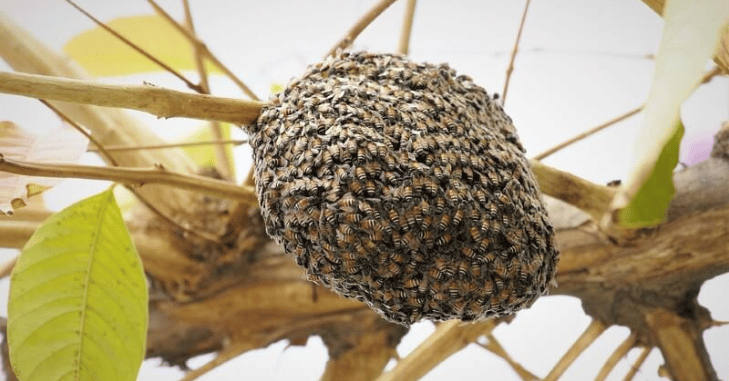
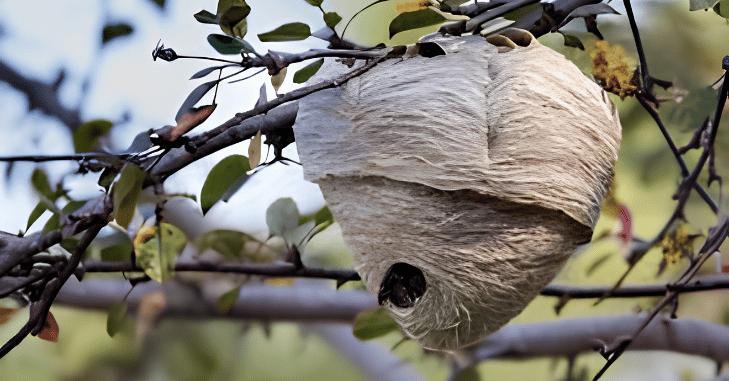
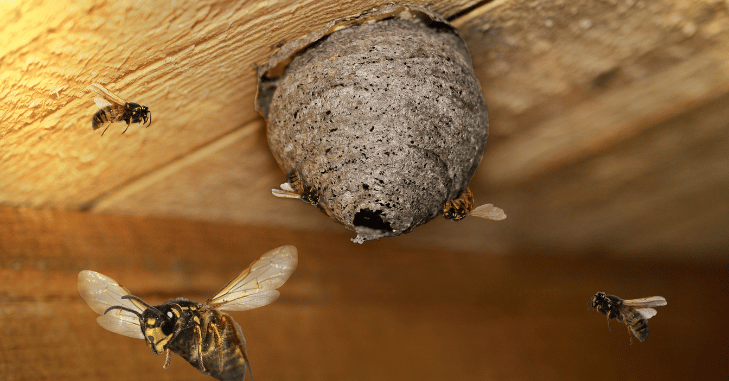
A hornet’s nest typically appears as a large, rounded or oval structure with a smooth, paper-like surface that can be gray, tan, or light brown in color. It is built from chewed wood fibers mixed with hornet saliva, which gives it a papery, layered texture.
How to get rid of a hornet’s nest. Open combs are seen in some wasp nests; hornet nests are usually enclosed, with only a small entrance hole, often located near the bottom. You’ll commonly find them hanging from tree branches, roof eaves, attics, sheds, or wall cavities.
Around the nest, you may notice constant hornet activity, with insects flying in and out in a steady pattern, especially during daytime. As the colony grows, the nest can expand rapidly, sometimes becoming as large as a basketball or even bigger in peak season.
Why Are Hornet Nests Dangerous?
Hornets become aggressive when their nest is disturbed. Risks include:
- Multiple painful stings
- Allergic reactions (can be severe or life-threatening)
- Swarming behavior when threatened
- Difficulty escaping once attacked
Never attempt removal without a clear plan or proper protection.
How to Get Rid of a Hornet’s Nest Safely?
The safest way to remove a hornet’s nest is to prioritize caution and use proper protective measures or professional help. If the nest is small and located outdoors in an accessible area, it may be treated using a commercial hornet or wasp insecticide spray designed to eliminate the colony from a safe distance.
The best time to act is during nighttime or early morning, when hornets are least active. Always wear protective clothing, including thick long sleeves, gloves, and face protection, to reduce the risk of stings.
Identify the Nest First
Before taking action:
- Observe from a safe distance (at least 10–15 meters)
- Note entry/exit points
- Check activity level (day vs night)
Hornets are usually less active at night or early morning.
DIY Hornet Nest Removal (Only for Small Nests)
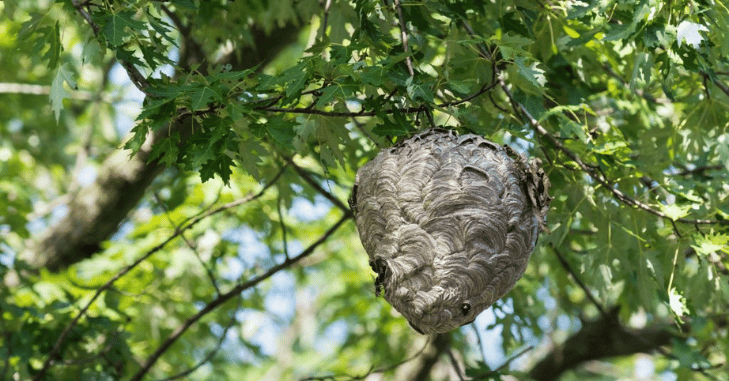
If the hornet nest is small, newly formed, and located in an easily accessible outdoor area, you may consider handling it yourself—but only with extreme caution. DIY removal should never be attempted on large, hidden, or indoor nests, as hornets can become highly aggressive when disturbed.
Before starting, make sure you are fully protected with thick, long-sleeve clothing, gloves, a face shield or protective eyewear, and closed shoes to minimize the risk of stings. It is best to carry out the removal during late evening or early morning when hornets are least active.
What Do You Need?
- Long-sleeve clothing (thick fabric)
- Gloves and face protection
- Commercial hornet spray (insecticide labeled for wasps/hornets)
- Flashlight (for nighttime application)
Steps
- Wait until nightfall when hornets are inside the nest
- Stand at a safe distance (follow spray instructions)
- Spray directly into the nest entrance
- Saturate the nest thoroughly
- Leave the area immediately
- Do not return for at least 24–48 hours
- Check from a distance before removal
Never knock down the nest immediately after spraying.
Methods You Should Avoid
When dealing with hornet nests, there are several dangerous methods that should always be avoided. Do not attempt to burn the nest, as this can quickly cause the hornets to become highly aggressive and may result in uncontrolled fires or serious injuries.
Avoid using high-pressure water sprays, since this will not effectively eliminate the colony and can instead provoke a defensive swarm attack. Never try to knock down a nest with sticks, stones, or any physical object, as this directly disturbs the hornets and greatly increases the risk of multiple stings.
When to Call a Professional?
Hiring a pest control expert is the safest option when:
- The nest is large
- It is inside walls or roof cavities
- You are allergic to stings
- The nest is in a high or hard-to-reach place
- There is heavy hornet activity
Professionals use
- Industrial-grade insecticides
- Protective suits
- Safe removal equipment
- Follow-up prevention treatments
How to Prevent Hornets from Returning?
Once a hornet’s nest has been removed, taking preventive steps is very important to stop them from coming back. Hornets often return to areas that are quiet, sheltered, and close to food sources, so making your environment less attractive to them is the best long-term solution.
To prevent hornets from returning, you should seal all cracks and openings in walls, roofs, and foundations so they cannot find new nesting spaces. Keep outdoor trash bins tightly closed and clean, as food smells can attract insects. Avoid leaving sweet foods, fruit, or sugary drinks exposed outside, especially during warm weather.
Conclusion
How to get rid of a hornet’s nest. A hornet’s nest is never something to take lightly. While small, newly formed nests may sometimes be handled with extreme caution, using proper protective gear and insecticidal sprays, most situations are best left to trained professionals.
The risks of stings, allergic reactions, and accidental provocation make improper removal methods extremely dangerous. By understanding hornet behavior, avoiding unsafe practices, and acting at the right time, you can significantly reduce the threat to yourself and your surroundings.
More importantly, prevention plays a key role in ensuring hornets do not return. Sealing entry points, maintaining cleanliness, and monitoring outdoor spaces can help keep your home safe and hornet-free in the long term.
Apart from that, if you want to know more about Why Concrete Driveways Are a Smart Investment for Your Home then visit our Home For Sale category.
FAQs
Yes, but only if the nest is very small, newly formed, and in an easily accessible outdoor area. Even then, you must use full protective gear and follow safety steps carefully. For medium or large nests, professional removal is strongly recommended.
The safest time is at night or very early in the morning when hornets are inside the nest and least active. This reduces the risk of being attacked during removal.
Move away from the area immediately. Wash the sting site with soap and water, apply a cold compress to reduce swelling, and use pain relief cream if needed.
An active nest will show constant hornet movement in and out of the entrance, especially during daytime. If there is no activity for several days, the nest may be abandoned—but always confirm from a safe distance.
Yes, they may return if the area still looks suitable for nesting. That’s why prevention steps like sealing cracks, removing food sources, and keeping outdoor areas clean are very important.