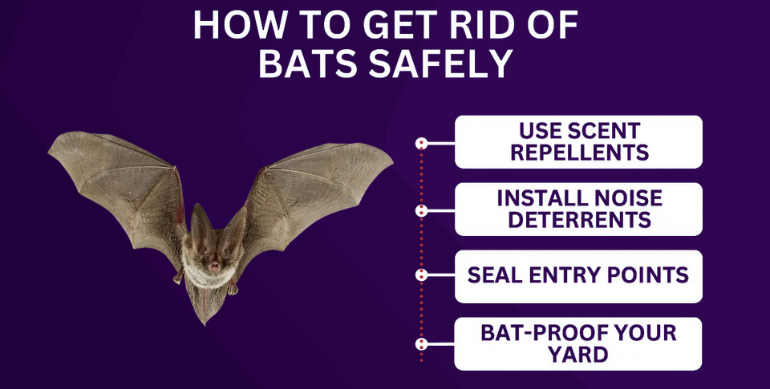
How To Get Rid Of Bats?
Bats, while beneficial to ecosystems, can become unwelcome guests when they roost in homes or buildings. Knowing how to get rid of bats safely is essential to protect both property and health. Infestations often manifest through droppings, unusual nocturnal sounds, or foul odors, and handling them incorrectly can pose serious health risks. For a closer look at this, see How To Get Rid Of Millipedes.
This guide provides essential tips on identifying bat activity, understanding their behavior, and choosing between DIY methods or professional removal, along with long-term prevention strategies to keep bats away effectively.
| Category | Description |
| Signs of Infestation | Nocturnal noises, droppings, grease marks, foul odors, and sightings. |
| Common Entry Points | Attics, chimneys, eaves, vents, gutters. |
| DIY Removal | Trapping, repellents; often ineffective and risky. |
| Professional Removal | Safe, legal, long-term solutions with exclusion methods |
| Prevention | Seal gaps, maintain property, remove attractants, and install screens. |
| Bat Behavior | Roosts in colonies, has seasonal migration, and has species-specific habits. |
| Health Risks | Rabies, histoplasmosis, and other zoonotic diseases. |
| Safety Tips | Avoid handling, use protective gear, and consult experts. |
Identifying Signs of Bats in Your Home
Common Signs of Bat Infestation
If you suspect that bats might be roosting in your home, there are several signs to look for that could indicate their presence. One of the most obvious indicators is nocturnal activity; as bats are nocturnal creatures, unusual sounds at night—such as squeaking, rustling, or scrabbling coming from your attic—can suggest a bat infestation.
Another clear sign is the presence of guano, or bat droppings, which are larger than mouse droppings and tend to accumulate near entry points or nesting sites. You might also notice grease marks along these entry and exit points; these dark, smudged marks are caused by the oils in a bat’s fur rubbing against surfaces as they come and go.
Additionally, if you hear screeching or chirping sounds, particularly when the area is disturbed, this can indicate that bats are nearby. Although less common, physical sightings of bats flying around your property, especially at dusk, can further confirm their presence. Lastly, if you detect a foul odor in your home—particularly in attics or hidden spaces—it may stem from a buildup of guano and urine, signaling that it’s time to take action.
Areas of the Home to Check
- Attics: Bats often seek dark, undisturbed areas such as attics to roost. Check for droppings or sounds in these spaces.
- Chimneys: Bats can enter homes through chimneys, so be vigilant in inspecting these areas.
- Eaves and Soffits: Check for gaps or holes in your eaves and soffits, as these can be potential entry points.
- Gutters and Vents: Bats can also find their way into homes through vents and gutters; look for droppings or signs of fur.
DIY vs. Professional Bat Removal
DIY Bat Removal
While some homeowners may consider a DIY approach to bat removal, it is essential to remember that handling bats can be challenging and potentially dangerous. Here are some DIY methods for bat removal and their associated risks:
Baiting and Trapping
- Baiting: This involves attracting bats by creating a desirable environment, such as leaving doors or windows open. This method can be ineffective as it doesn’t guarantee bats will leave.
- Trapping: While trapping is a common method, it usually requires specialized knowledge and instruments. Improper handling of traps can harm the bats or cause legal issues.
Repellents
- Sonic Repellents: These devices claim to emit high-frequency sounds that deter bats. However, many studies indicate that they are largely ineffective.
- Foul Smells: Some people use strong odors (like mothballs or vinegar) to repel bats, but these methods rarely work and can make the environment unpleasant for humans.
Risks of DIY Removal
- Legal Restrictions: Bats are protected by law in many areas. Improper handling or harassing bats can lead to legal consequences.
- Health Risks: Bats can carry rabies and other diseases, making direct contact dangerous.
- Ineffectiveness: Many DIY methods may not successfully eliminate the problem, leading to further infestations or worsening of the issue.
Professional Bat Removal
Opting for professional bat removal services is typically the safest and most effective approach. Here are the advantages of hiring experts:
Expertise
- Knowledge of Bat Behavior: Professionals understand bat behavior and habitat, allowing them to devise effective removal strategies.
- Accurate Identification: An expert can accurately identify the species, assess the infestation level, and determine the best course of action.
Safety
- Effective Handling: Trained professionals follow safety protocols to handle bats safely, reducing the risk of injury or disease transmission.
- Legal Compliance: Professionals are familiar with local laws regarding bats, ensuring that removal is done legally and ethically.
Long-Term Solutions
- Exclusion Methods: Professionals use exclusion techniques, sealing potential entry points to prevent future infestations.
- Environmental Assessment: Experts assess your home for underlying factors that attract bats, providing recommendations for modifications.
Natural and Humane Bat Deterrent Methods
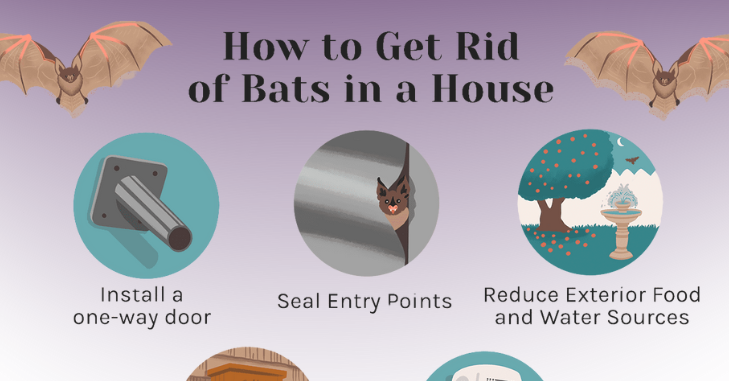
One of the most effective long-term strategies for dealing with bats is focusing on humane deterrence rather than harmful removal methods. Since bats play an important ecological role by controlling insect populations, many wildlife experts recommend encouraging them to relocate instead of eliminating them. Installing one-way exclusion devices allows bats to leave a building safely but prevents them from re-entering, making it a widely used professional technique.
Additionally, maintaining a well-lit exterior at night can discourage bats from roosting, as they prefer dark, undisturbed environments. Combining these methods with proper sealing of entry points after the bats have left ensures a safe, ethical, and lasting solution that protects both the homeowner and the local ecosystem.
Cost Considerations

The cost of bat removal can vary widely depending on the extent of the infestation, the size of the property, and the methods used. On average, professional removal may range from a few hundred to several thousand dollars. While this may appear expensive, the costs often justify the effectiveness and safety that come with professional services.
Tips for Long-Term Bat Prevention
1. Regular Inspections
Conduct regular inspections of your home, especially in areas prone to bat entry, such as attics, basements, and roof spaces. During fall and spring, bats may be looking for new roosts.
2. Seal Entry Points
Identifying and sealing potential entry points can dramatically reduce the likelihood of a bat invasion. Use caulk or weatherstripping to seal gaps around windows, doors, vents, and other potential access areas.
3. Maintain Your Property
Keeping your property well-maintained can dissuade bats from roosting nearby. Trim overhanging tree branches and vegetation near your home, as these can provide access to roofs and attics.
4. Reduce Attractants
Avoid leaving food sources that might attract bats; this means eliminating insect infestations, as bats are often drawn to areas where they can find abundant food.
5. Install Screens and Mesh
Use screens and mesh to cover vents, chimneys, and other openings. This will allow ventilation while preventing bats from entering.
6. Monitor for Activity
Regularly monitor for signs of bat activity, especially during the peak seasons (spring and autumn) when they may be looking for roosting sites.
Understanding Bats and Their Behavior
Species Diversity
Understanding different bat species can enhance your ability to manage bat-related issues effectively. There are over 1,400 species of bats worldwide, but in the U.S., common species include:
- Little Brown Bat: Known for its small size and distinct fur color.
- Big Brown Bat: A Larger species that often roosts in buildings.
- Mexican Free-Tailed Bat: Recognized for its characteristic tail and high-speed flight.
Roosting and Migration Patterns
Bats typically roost in colonies, often returning to the same sites season after season. Many species hibernate during the winter, moving to warmer areas, while others may relocate based on food availability.
Symptoms of Infestations
- Habitat Changes: Due to seasonal migration patterns, an influx of bats might occur during specific times of year. Familiarity with these timings can help you monitor and prepare more effectively.
- Reproductive Behavior: Most bats breed in the spring. Pregnant females often seek warm, secure places to give birth. Understanding this behavior can inform when to expect an influx.
Health Risks Associated with Bats

Rabies
Bats are known carriers of rabies, a potentially fatal viral disease. While not all bats carry rabies, if you encounter one behaving unusually (e.g., daytime activity, difficulty flying), avoid contact and alert local health authorities.
Histoplasmosis
Bat droppings can harbor the fungal disease histoplasmosis, which affects the lungs when its spores become airborne. Avoid inhaling dust from areas with a significant accumulation of bat guano.
Other Zoonotic Diseases
Bats can be carriers of other zoonotic diseases (diseases transmissible from animals to humans), including:
- Nipah Virus: Linked to both bats and pigs, causing severe illness in humans.
- Ebola Virus: Certain bat species are believed to be reservoir hosts of the Ebola virus.
Safety Precautions
If you suspect a bat infestation:
- Do Not Attempt to Handle Bats: Contact trained wildlife removal professionals instead.
- Wear Protective Gear: If you must enter an area infested with bats, wear a mask and gloves to reduce exposure to dust and potential pathogens.
- Avoid Direct Contact: Never handle dead or sick bats without professional guidance.
Conclusion
While bats can pose challenges when they invade our spaces, understanding how to identify signs of infestation, the pros and cons of DIY versus professional removal, and preventive measures can make all the difference.
By taking proactive steps and understanding bats’ behavior and biology, homeowners can effectively manage bat-related issues while appreciating these fascinating creatures’ ecological roles.
For any ongoing concerns, particularly those related to health and safety, it is valuable to consult with wildlife experts or pest control professionals. Remember, responsible bat management not only protects your home but also preserves the natural ecosystem.
Want to know about Eco-Friendly Flips: How Sustainable Renovations Can Boost Resale Value Check out our Urban Real Estate category.
FAQs
Bats have a strong sense of smell and are commonly thought to be repelled by certain natural scents. For this purpose, some homeowners use peppermint oil, cinnamon, eucalyptus oil, cloves, and garlic as bat repellents. However, this is by no means a fail-safe method.
Bats are generally afraid of their predators, which include snakes and owls, but little else is known of their fears.
The best bet is to open a door, dim the lights, then shine a flashlight out the open door. Many bats will follow the beam of the light out the open door. Make sure doors to other rooms are closed off first, and the only door open leads to the outside.