
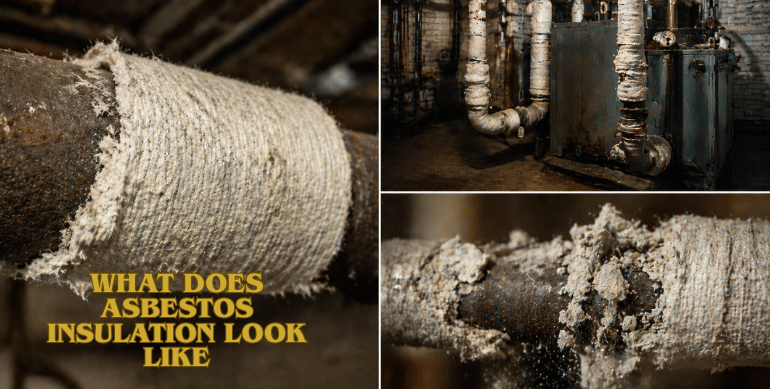
Asbestos insulation was once widely used in homes and buildings due to its heat resistance, durability, and fireproofing qualities. However, when understanding what does asbestos insulation look like, it becomes clear that what was once considered a “miracle material” is now known as a hidden danger in many older properties.
Today, asbestos is recognized as a serious health hazard, and despite its ban or restriction in many countries, it remains present in countless homes-built decades ago. This makes it especially important for homeowners, renovators, and inspectors to understand how to identify it safely and avoid accidental exposure. For a closer look, see Drone-based turf health mapping.
This complete visual guide explains what asbestos insulation looks like, including its types, colors, textures, common locations, and the risks associated with exposure. It also provides practical safety tips to help you handle suspected asbestos responsibly.
| Section | Keypoints |
| What does asbestos insulation look like | Mineral fiber material used in old buildings for fireproofing and insulation is now known as a health hazard |
| Types | Loose-fill, spray-applied, pipe insulation, insulation boards, block & blanket forms |
| Loose-Fill | Fluffy, granular, found in attics and walls (e.g., Zonolite) |
| Spray-Applied | Rough coating on ceilings, beams, walls for fireproofing |
| Pipe Insulation | Wrapping around pipes/boilers, often white or gray, and deteriorates into dust |
| Insulation Boards | Flat rigid panels used in walls, ceilings, electrical areas |
| Block & Blanket | Dense, thick insulation for boilers, furnaces, industrial heat systems |
| Colors | White, gray, off-white, brown, rarely blue; can change with age and damage |
| Textures | Fibrous, chalky, crumbly, powdery, or rough, uneven surfaces |
| Common Locations | Attics, walls, ceilings, basements, pipes, HVAC ducts, old appliances |
| Identification | Old buildings (pre-1980), dusty/fibrous material, near heat sources |
| Health Risks | Lung cancer, mesothelioma, asbestosis, long-term respiratory damage |
| When Most Dangerous | When disturbed (friable) during renovation, drilling, cutting, demolition |
| Testing & Removal | Only confirmed via lab testing; removal must be done by licensed professionals |
| Safety Tips | Avoid touching, don’t disturb, seal area, call experts, never DIY removal |
What Does Asbestos Insulation Look Like?

When trying to understand what does asbestos insulation look like, it is important to know that it does not have one fixed appearance. However, there are several common visual features that can help with identification.
It often has a fibrous or fluffy texture, or in some cases, a more compacted board-like form. The color is typically gray, white, or off-white, although it may also appear brown or slightly bluish in some older materials. Over time, it may become brittle, cracked, or crumbly, with loose fibers breaking away from the surface. In damaged areas, it can look dusty or powdery, especially when disturbed.
It is also common to find asbestos in layered or mixed materials, such as cement-like insulation boards or plaster used in walls and ceilings. These may look solid at first glance, but can contain hidden fibrous material inside.
Types of Asbestos Insulation
Understanding the different types of asbestos insulation can help you identify it more accurately. Each type has distinct characteristics in terms of appearance, texture, and location.
Loose-Fill Asbestos Insulation
Loose-fill insulation is one of the most recognizable forms of asbestos. It typically appears fluffy, lightweight, and granular, often resembling small pebbles or shredded material. The color is usually gray or brown, though it can vary depending on age and composition. A well-known example is Zonolite, a vermiculite-based insulation that may contain asbestos.
Asbestos Pipe Insulation
It typically appears as a white or gray wrapping around pipes and may resemble cloth, tape, or even corrugated cardboard. However, while it was once valued for its insulating properties, asbestos insulation can pose serious health risks if it becomes damaged or disturbed. When the material deteriorates, it can release tiny fibers into the air that are harmful when inhaled. Warning signs of deterioration include cracked or fraying insulation and the presence of a powdery residue nearby, which may indicate fiber release.
Asbestos Insulation Boards
Asbestos insulation boards were commonly used for fireproofing and structural purposes. These boards appear as flat, rigid panels that are typically gray or off-white in color. Their surface may be smooth or slightly textured. They are often installed in walls, ceilings, and behind electrical panels, providing both insulation and fire resistance in older buildings.
Block and Blanket Insulation
Block and blanket asbestos insulation was used in both industrial and residential settings, particularly around high-heat equipment. This type appears as thick, dense blocks or rolled blankets with a fibrous texture. The color is usually white or light gray.
Colors of Asbestos Insulation

The appearance can vary depending on the type of material, its age, and environmental exposure.
Typical colors include
- White
- Gray
- Off-white
- Brown
- Blue (rare, associated with certain asbestos types)
Important notes
- Aging and environmental conditions can change the original color
- Dust, dirt, and wear may make identification more difficult
- Different asbestos materials may appear in mixed or uneven shades
- Visual inspection alone is not enough to confirm the presence of asbestos
Textures and Surface Characteristics

When identifying what does asbestos insulation look like, texture is one of the most important visual indicators. Asbestos insulation can appear fluffy and fibrous in loose-fill form, chalky or powdery when aged or damaged, brittle and crumbly as it deteriorates, or rough and uneven when spray-applied on surfaces.
Where Is Asbestos Insulation Commonly Found?
Asbestos insulation is typically found in older buildings, especially those built before the 1980s.
Common Locations in Homes
- Attics (loose-fill insulation)
- Around pipes and boilers
- Inside walls and ceilings
- Basement insulation
- HVAC duct coverings
Less Obvious Areas
- Behind wall panels
- Around electrical systems
- Inside old appliances
- Garage ceilings
How to Identify Asbestos Insulation Safely
Visual identification alone is not enough to confirm asbestos. However, you can look for warning signs.
Key Identification Clues
- The material looks old and deteriorated
- Fibrous or dusty texture
- Found in a home built before 1980
- Located near heat sources (pipes, furnaces)
Important Reminder
- Never touch, disturb, or attempt to remove suspected asbestos
- Only professional testing can confirm its presence
Health Risks of Asbestos Exposure

Asbestos becomes dangerous when its fibers are released into the air and inhaled. These microscopic fibers can lodge deep in the lungs and lead to serious long-term health conditions.
Lung Cancer
Exposure to asbestos fibers can significantly increase the risk of developing lung cancer. The risk is even higher for individuals who also smoke, as the combination of both factors greatly damages lung tissue over time.
Mesothelioma
Mesothelioma is a rare but aggressive cancer that affects the lining of the lungs, abdomen, or heart. It is almost exclusively linked to asbestos exposure and can take decades to develop after initial contact with the fibers.
Asbestosis
Asbestosis is a chronic lung disease caused by long-term inhalation of asbestos fibers. It leads to scarring of lung tissue, making it increasingly difficult to breathe and reducing overall lung function over time.
Symptoms of Exposure
Common symptoms that may appear after asbestos exposure include persistent coughing, shortness of breath, chest pain, and ongoing fatigue. These symptoms often develop slowly and may not appear until many years after exposure.
Long-Term Risk Factor
One of the most dangerous aspects of asbestos exposure is its delayed impact. Health conditions related to asbestos may take 10 to 40 years to develop, making early awareness and prevention extremely important.
When Is Asbestos Most Dangerous?

Asbestos becomes most hazardous when it turns “friable,” meaning it can easily crumble and release microscopic fibers into the air. These airborne fibers can then be inhaled and pose serious health risks.
High-Risk Situations
- Renovation or demolition work
- Damaged or deteriorating insulation
- Drilling, cutting, or sanding asbestos-containing materials
Important Safety Note
- Undisturbed asbestos is generally less dangerous
- However, it should still be monitored and left untouched
- Any disturbance can increase the risk of fiber release
Professional Testing and Removal
When trying to understand what does asbestos insulation look like, it is important to know that visual inspection alone cannot confirm its presence. The only reliable method is professional laboratory testing, where a trained expert collects a small sample of the suspected material and sends it to a certified lab for analysis.
The results then confirm whether asbestos is present. If removal is required, known as abatement, it must always be carried out by licensed professionals who follow strict safety procedures. This process includes sealing off the affected area and using specialized equipment to prevent contamination and fiber release.
Safety Tips for Handling Suspected Asbestos
If you suspect asbestos insulation in your home, follow these safety precautions.
Do’s
- Leave the material undisturbed
- Keep the area sealed off
- Contact a licensed asbestos professional
- Use proper protective equipment if required
Don’ts
- Do not sweep, vacuum, or dust the material
- Do not drill or cut into it
- Do not attempt DIY removal
- Do not ignore damaged insulation
Tips for Homeowners and Renovators
- Schedule an inspection before renovations
- Check building age and history
- Avoid disturbing unknown materials
- Keep records of any asbestos findings
Conclusion
Understanding what does asbestos insulation look like is an important step in identifying potential hazards in older homes and buildings. Asbestos insulation can appear in many forms of loose-fill, spray-applied coatings, pipe wrapping, boards, or dense blocks, each with different colors, textures, and locations.
However, because its appearance can vary widely and often resemble other safe materials, visual inspection alone is never enough for confirmation.
The most important takeaway is that suspected asbestos insulation should always be treated with caution. If you think you have found asbestos, avoid disturbing it and rely on professional testing for accurate identification.
Want to know about Enzyme Cleaner: The Ultimate Guide to Powerful Natural Cleaning for Stains, Odors, Everyday Messes, Deep Sanitization, and Eco-Friendly Home Care Check out our Home For Sale category.
FAQs
However, asbestos insulation is typically more pebble-like in appearance and has a greyish-brown or silver-gold color, whereas cellulose typically resembles shredded paper.
Although there is no level of asbestos exposure that is deemed safe, the risk of developing cancer varies based on the amount and duration of exposure.
When asbestos is damaged, tiny fibers may be released into the atmosphere. Your lung tissue may be harmed by inhaling these asbestos fibers.
Certain asbestos fibers that are deposited in alveoli travel to the lungs’ lymphatic system, which aids in the removal of fibers from the lungs.

