
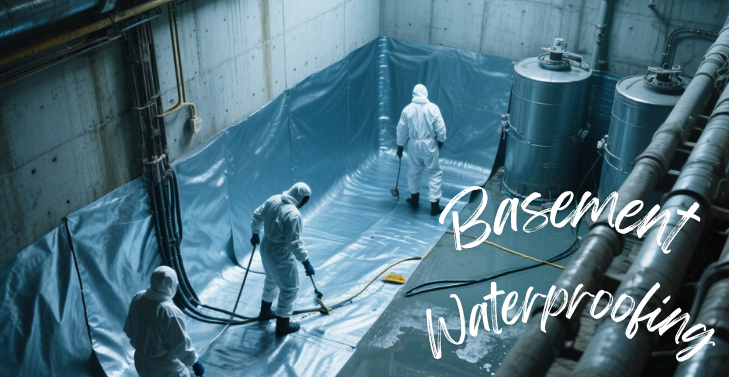
Basement Waterproofing
Proper basement waterproofing is essential for protecting your home from costly water damage, mold growth, and structural issues. Since basements are below ground level, they are especially vulnerable to moisture intrusion from poor drainage, cracks, or hydrostatic pressure.
Effective waterproofing not only enhances the durability of your foundation but also safeguards your family’s health by preventing mold and dampness. By understanding the causes of water intrusion, available waterproofing methods, and maintenance strategies, homeowners can ensure a safe, dry, and long-lasting basement.
| Category | Summary |
| Importance of Basement Waterproofing | Prevents mold growth, structural deterioration, and health risks caused by water intrusion. |
| Common Causes of Water Intrusion | Poor drainage, hydrostatic pressure, foundation cracks, sump pump failure, and condensation. |
| Types of Waterproofing Methods | Includes interior (sealants, drainage systems) and exterior (foundation coating, French drains) solutions. |
| Other Waterproofing Solutions | Use of sump pumps and dehumidifiers to manage moisture and prevent flooding. |
| Average Cost Range | Typically between $1,500 and $10,000, depending on the method and extent of work. |
| Cost Breakdown | Interior: $1,500–$4,000; Exterior: $5,000–$10,000; Sump Pump: $800–$2,500; Dehumidifier: $200–$1,000. |
| Factors Affecting Costs | Extent of damage, basement size, location, waterproofing method, and materials used. |
| Preventive Maintenance Tips | Regular inspections, cleaning gutters, maintaining proper grading, using sealants, and controlling humidity. |
| Long-Term Benefits | Ensures structural stability, increases home value, prevents costly repairs, and improves indoor air quality. |
Understanding the Importance of Basement Waterproofing

Basements are typically located below ground level, making them susceptible to water intrusion from various sources. Water damage can lead to significant problems, including mold growth, structural deterioration, and damage to personal belongings. Effective waterproofing is essential not only for the longevity of the home but also for the health and safety of its occupants.
Common Causes of Water Intrusion
Several factors contribute to water entering basements. Understanding these causes can help homeowners take preventive measures and make informed choices about waterproofing methods.
Poor Drainage
One of the leading causes of water intrusion is inadequate drainage around the home’s foundation. If the grading of the land slopes toward the house or if gutters are clogged, rainwater can pool around the foundation, eventually seeping into the basement.
Hydrostatic Pressure
When the ground becomes saturated from heavy rainfall or melting snow, hydrostatic pressure builds up against the basement walls. This pressure can force water through cracks and porous materials, leading to leaks and flooding.
Cracks in Foundation Walls
Over time, foundations can develop cracks due to settling, temperature changes, or poor construction practices. Even small cracks can allow water to enter, especially during heavy rain.
Sump Pump Failure
Many basements rely on sump pumps to remove water that accumulates. If a sump pump fails or is improperly maintained, it can lead to flooding and water damage.
Condensation
In humid climates, condensation can occur inside the basement, particularly if the basement is not well-ventilated. This moisture can lead to mold growth and damage to materials.
Types of Basement Waterproofing

There are several methods of basement waterproofing, each suitable for different situations. Understanding these methods can help homeowners choose the right approach for their specific needs.
Interior Waterproofing
Interior waterproofing focuses on preventing water from entering the basement through walls and floors. This method is often more affordable and less invasive than exterior waterproofing.
1. Sealants and Coatings
Applying waterproof sealants or coatings to the interior walls and floors can help prevent moisture penetration. These products create a barrier that can repel water and reduce humidity levels.
2. Interior Drainage Systems
Interior drainage systems involve installing a drain tile system around the perimeter of the basement. This system collects water that seeps in and directs it to a sump pump for removal. This method is effective for managing minor water intrusion.
Exterior Waterproofing
Exterior waterproofing is a more comprehensive solution that addresses water issues before they reach the basement. This method often involves excavation and is typically more expensive.
1. Excavation and Foundation Coating
This method involves excavating the soil around the foundation to access the exterior walls. Once exposed, a waterproof membrane is applied to the walls, along with drainage materials to direct water away from the foundation.
2. French Drains
French drains are installed around the exterior of the foundation to collect and redirect water away from the house. This system consists of a trench filled with gravel and a perforated pipe that channels water away.
Other Waterproofing Solutions
In addition to interior and exterior methods, there are other solutions that homeowners can consider.
1. Sump Pumps
Sump pumps are essential for managing water that collects in the basement. These pumps remove water efficiently, preventing flooding. Installing a battery backup system can provide additional security against power outages.
2. Dehumidifiers
In humid areas, installing a dehumidifier can help reduce moisture levels in the basement, preventing condensation and mold growth. This is particularly important in finished basements or areas used for storage.
Average Costs of Basement Waterproofing

The cost of basement waterproofing can vary widely based on several factors, including the chosen method, the extent of the work required, and geographical location. On average, homeowners can expect to pay between $1,500 and $10,000 for waterproofing solutions.
Breakdown of Costs
- Interior Waterproofing: Interior waterproofing methods, such as sealants and interior drainage systems, typically range from $1,500 to $4,000, depending on the complexity of the installation.
- Exterior Waterproofing: Exterior waterproofing methods, which involve excavation and foundation coating, can cost between $5,000 and $10,000. This higher cost reflects the labor-intensive nature of the work.
- Sump Pump Installation: Installing a sump pump can cost between $800 and $2,500, depending on the type and complexity of the installation. Battery backup systems may add to this cost.
- Dehumidifiers: The cost of installing a dehumidifier ranges from $200 to $1,000, depending on the size and capacity of the unit.
Factors Affecting Costs
Several factors can influence the overall cost of basement waterproofing:
- Extent of Water Damage: If significant repairs are required due to water damage, costs will increase. Addressing mold growth or structural issues may add to expenses.
- Size of the Basement: Larger basements require more materials and labor, resulting in higher costs. Waterproofing quotes are often based on square footage.
- Geographical Location: Labor and material costs can vary by region. Urban areas may have higher prices due to increased demand and cost of living.
- Type of Waterproofing: The chosen waterproofing method significantly impacts costs. Exterior waterproofing is generally more expensive than interior methods due to excavation and labor requirements.
Preventive Maintenance Tips for Basement Waterproofing

Preventing water intrusion is often more effective and less costly than addressing issues after they occur. Homeowners can take several proactive measures to maintain a dry basement.
1. Regular Inspections
Conducting regular inspections of the basement and foundation can help identify potential issues early. Look for cracks in the walls, signs of moisture, and any other indicators of water intrusion.
2. Maintain Gutters and Downspouts
Ensure that gutters are clean and functioning properly. Downspouts should direct water at least five to ten feet away from the foundation to prevent pooling around the base of the house.
3. Improve Grading
The grading of the landscaping around the home should slope away from the foundation. This helps direct rainwater away from the house and reduces the risk of water intrusion.
4. Install a Sump Pump
If your basement is prone to flooding, consider installing a sump pump as a preventive measure. Regular maintenance, including testing the pump, will ensure it operates effectively when needed.
5. Use Waterproof Sealants
Applying waterproof sealants to basement walls and floors can help create a barrier against moisture. This should be done periodically to maintain effectiveness.
6. Control Humidity Levels
Using dehumidifiers can help control humidity levels in the basement, reducing the risk of condensation and mold growth. Monitor humidity levels regularly and adjust as needed.
7. Check for Cracks and Repair Promptly
Regularly inspect the foundation for cracks or damage. Addressing small issues promptly can prevent them from becoming larger, more expensive problems.
Impact of Waterproofing on Property Value
A professionally waterproofed basement can significantly enhance a home’s market appeal and long-term value. Prospective buyers often view a dry, well-maintained basement as a sign that the property has been properly cared for, reducing concerns about future repair costs.
In finished basements, waterproofing also protects flooring, drywall, insulation, and stored belongings from moisture-related damage. By minimizing the risk of leaks and structural issues, homeowners can improve buyer confidence and potentially achieve a stronger resale value when the property is placed on the market.
Conclusion
Basement waterproofing is a critical aspect of home maintenance that should not be overlooked. Understanding the common causes of water intrusion, the various waterproofing methods available, and the associated costs can empower homeowners to make informed decisions. Proactive preventive measures can significantly reduce the risk of water damage and extend the life of the basement. By investing in proper waterproofing solutions and regular maintenance, homeowners can enjoy a safe, dry, and healthy living environment.
Want to know about Choosing the Best Artificial Grass for Your Yard Check out our New Construction Homes category.
FAQs
There are three forms of waterproofing: Type A – Tanking/Barrier protection. Type B – Structurally Integral Protection. Type C – Cavity Drainage.
Exterior basement waterproofing involves excavating around the exterior of the foundation and applying a waterproof coating or membrane to the outside of the walls. It is an effective solution for preventing water damage and preserving the structural integrity of the building.
The cost of basement waterproofing depends on several factors, including the type of solution needed and the size of your basement. On average, waterproofing can range from $2,250 to $7,063, with the national average around $4,539.

