The White Wizard Philodendron is one of the most sought-after rare houseplants in the world of indoor gardening. Known for its bold green leaves beautifully streaked or splashed with crisp white variegation, it instantly adds a luxurious and tropical feel to any indoor space. Plant collectors and home décor enthusiasts value it not only for its striking appearance but also for its rarity and unique growth patterns, which make every plant slightly different from the next.
This plant belongs to the genus Philodendron, a group of climbing tropical aroids that naturally grow in warm, humid rainforests. Its hybrid nature gives it both resilience and beauty, but it also requires a balanced care routine to maintain its signature white coloration. The variegation is not accidental; it depends heavily on proper lighting, watering habits, and overall environmental conditions.
With the right knowledge and consistent care, the White Wizard Philodendron can thrive indoors for many years, becoming a stunning focal point in any plant collection. This guide will walk you through every essential aspect of its care, helping you successfully grow, maintain, and protect this rare plant.
White Wizard Philodendron Care Guide Table
| Care Aspect | Details |
|---|---|
| Plant Type | Rare variegated tropical climbing Philodendron hybrid |
| Scientific Family | Araceae (Philodendron erubescens) |
| Natural Habitat | Tropical rainforest understory |
| Growth Habit | Climbing vine with aerial roots |
| Ideal Light | Bright, indirect sunlight |
| Low Light Effect | Loss of white variegation and slow growth |
| Direct Sunlight Effect | Leaf burn and damage to white areas |
| Watering Needs | Moderate watering; keep soil slightly moist |
| Overwatering Risk | Root rot and yellowing leaves |
| Underwatering Risk | Drooping and dry foliage |
| Soil Type | Well-draining aroid mix |
| Soil Ingredients | Potting soil, perlite, orchid bark |
| Repotting Frequency | Every 1–2 years |
| Ideal Temperature | 18°C to 28°C (64°F–82°F) |
| Cold Sensitivity | Damaged by cold drafts and sudden temperature drops |
| Humidity Level | 50% or higher preferred |
| Humidity Boost Methods | Humidifier or pebble tray setup |
| Fertilizing Season | Spring and summer growing period |
| Fertilizer Type | Balanced liquid fertilizer |
| Feeding Frequency | Every 2–3 weeks during growth |
| Over-fertilization Risk | Weak roots and damaged foliage |
| Pruning Purpose | Shape control and encourage fuller growth |
| Propagation Method | Stem cuttings with nodes |
| Common Pests | Spider mites, fungus gnats |
| Lifespan | Long-living plant with proper care |
Understanding White Wizard Philodendron: Nature and Growth Behavior
The White Wizard Philodendron is a tropical climbing plant. In its natural environment, it grows under tree canopies, where it receives filtered light and high humidity. Indoors, it behaves as a slow- to moderate-growing vine. Over time, it can climb using a moss pole or trail from a hanging pot.
A mature White Wizard can grow quite large under ideal conditions, often reaching impressive leaf size when supported properly. Research shows it can grow up to several feet indoors over time and live for many years when well cared for.
One important fact is that variegation stability depends heavily on light exposure. If light is too low, the plant may produce more green leaves and lose its white patterning. If light is too harsh, leaves may burn or develop damage. This balance is the key to mastering its care.
Ideal Light Conditions: The Most Important Growth Factor

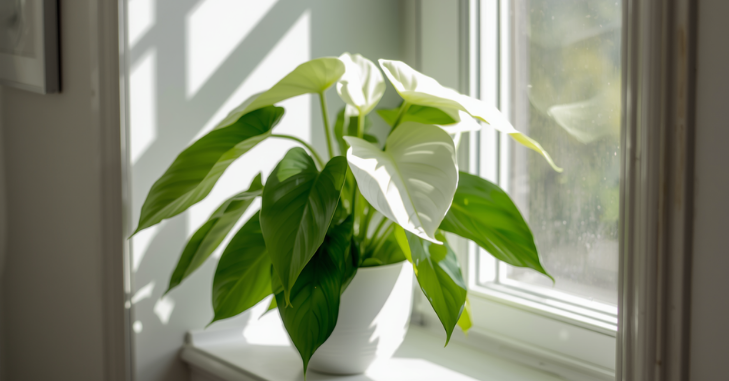
Light is the most critical factor for maintaining the White Wizard’s signature variegation. This plant thrives in bright, indirect sunlight. An east-facing window is ideal because it provides gentle morning sun without harsh afternoon exposure.
If placed in low light
- White variegation may fade.
- Leaves may become fully green.
- Growth becomes slow and leggy.
If exposed to direct sunlight:
- Leaves may develop scorch marks.
- White areas can burn easily due to a lack of chlorophyll.
A balanced light setup helps maintain healthy variegation. Many indoor plant experts recommend rotating the plant regularly to ensure all sides receive equal light exposure. This prevents uneven growth and helps maintain a compact shape.
Watering Needs: Avoiding Root Stress and Overwatering

The White Wizard Philodendron prefers a slightly moist, never soggy, soil environment.
A safe watering method is:
- Allow the top 40–50% of the soil to dry before watering again.
- Water deeply until the excess drains out
- Never let the plant sit in standing water.
One of the most frequent errors plant owners make is giving the plant too much water. It can lead to
- Root rot
- Yellowing leaves
- Foul soil smell
Underwatering can also stress the plant, causing drooping leaves and slowed growth. Consistency is more important than frequency. Seasonal changes also matter. The plant typically needs less water in winter because growth is slower.
Best Soil Mix for Strong Root Development
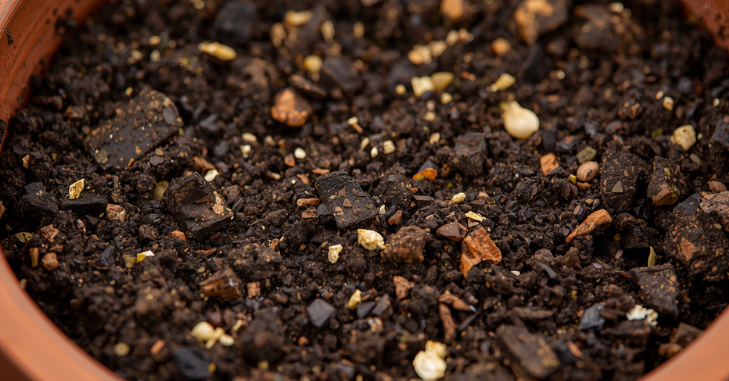
A well-drained and nutrient-rich soil mix is essential for healthy growth.
The ideal mix includes
- Indoor potting soil (base)
- Perlite (for aeration)
- Orchid bark (for drainage and structure)
This combination ensures
- Proper oxygen flow to roots
- Reduced risk of root rot
- Stable moisture retention
A heavy or compact soil mix should be avoided because it traps water and suffocates roots. Repotting every 1 to 2 years is recommended to refresh the soil and give the roots more space.
Temperature and Humidity Requirements
Being a tropical plant, the White Wizard thrives in warm and stable environments.
Best temperature range
- 18°C to 28°C (64°F to 82°F)
It is sensitive to cold air currents and abrupt temperature drops, which can negatively affect its growth.
Humidity preferences
- Moderate to high humidity (around 50% or more)
If indoor air is dry, you can improve conditions by:
- Using a humidifier
- Grouping plants together
- Setting up a tray filled with pebbles and water near the plant can help increase humidity around it.
Stable humidity helps prevent:
- Brown leaf edges
- Slow growth
- Leaf curling
Fertilization: Feeding for Healthy Variegation
Feeding plays an important role in maintaining strong growth and vibrant leaves.
In the active growth period, which usually occurs in spring and summer:
- Apply a well-balanced liquid plant food at intervals of about every two to three weeks.
- Dilute fertilizer to avoid burning roots
During fall and winter:
- Reduce or stop feeding.
Excess fertilizer can harm the root system and lead to unhealthy, weak plant growth. On the other hand, proper feeding helps support:
- Bigger leaves
- Stronger stems
- Stable variegation
Pruning and Maintenance: Shaping Your Plant
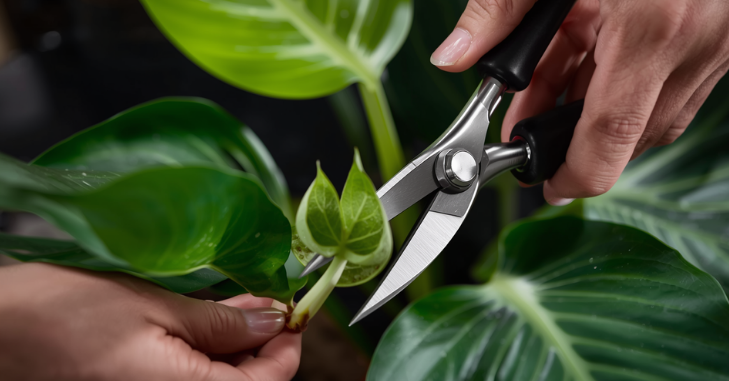
Pruning is not mandatory, but it helps control shape and encourage healthy growth.
You should prune when:
- The plant becomes too long or leggy.
- If your goal is to promote a fuller and more compact plant structure.
- Leaves lose variegation
A useful tip is to cut just above a node. This encourages new growth from that point, often improving the plant’s appearance over time.
Propagation: Growing New Plants from Cuttings
One of the most rewarding aspects of the White Wizard Philodendron is propagation. The most effective method is stem cutting.
Steps include:
- Select a healthy stem with at least one node.
- Place it in water, sphagnum moss, or soil.
- Keep it in warm, bright indirect light.
- Wait for roots to develop before transplanting.
Many plant owners prefer moss propagation because it promotes stronger root systems. Propagation is also used to “reset” plants that have lost variegation by encouraging new growth from healthier nodes.
Common Problems and How to Fix Them?
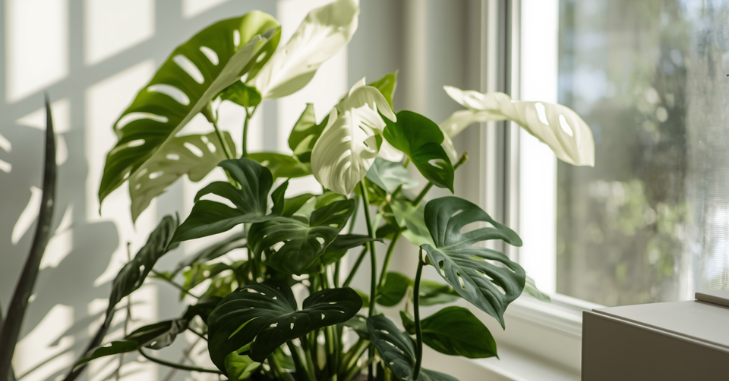
Even experienced growers face challenges with this plant.
1. Loss of Variegation
This usually happens due to low light. Increasing brightness often restores balance over time.
2. Yellow Leaves
Caused by overwatering or poor drainage.
3. Slow Growth
Often linked to low humidity or insufficient nutrients.
4. Pests (Spider Mites, Gnats)
Regular inspection and neem oil treatment help prevent infestations. Early detection is key to saving plant health.
Expert Insight: Why This Plant Is Considered Rare?
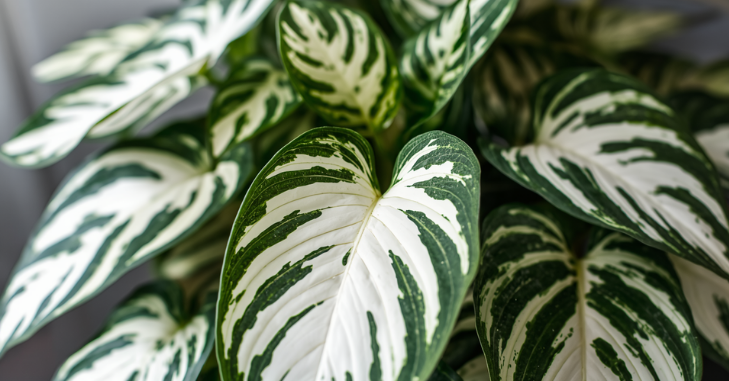
The White Wizard Philodendron is considered rare because:
- It is a hybrid cultivar (Philodendron erubescens)
- Stable white variegation is difficult to maintain
- Each plant has a unique pattern.
- Growth is relatively slow compared to common houseplants.
Unlike standard green philodendrons, this plant requires a balance of light, humidity, and care consistency to maintain its signature appearance. This rarity is what makes it highly valued among collectors worldwide.
Conclusion
The White Wizard Philodendron is more than just a decorative plant. It is a living piece of art that rewards careful attention and patience. While it requires moderate care, it is not overly difficult once its needs are understood. The key success factors are:
- Bright indirect light
- Proper watering balance
- Good humidity
- Well-draining soil
With consistent care, this plant can thrive for many years and become a stunning centerpiece in any indoor plant collection. If you are looking for a rare, elegant, and rewarding houseplant, the White Wizard Philodendron is absolutely worth adding to your home.
Want to know about Prefab Double Garage: A Modern, Efficient Solution for Extra Space Check out our Quick Bites category.
Frequently Asked Questions (FAQs)
Yes, it is moderately easy once proper light and watering conditions are maintained.
Most commonly due to insufficient light exposure.
Yes, it is well-suited for indoor environments.
Yes, a moss pole helps it grow larger and healthier leaves.
Yes, like other philodendrons, it is toxic if ingested by pets or humans.