
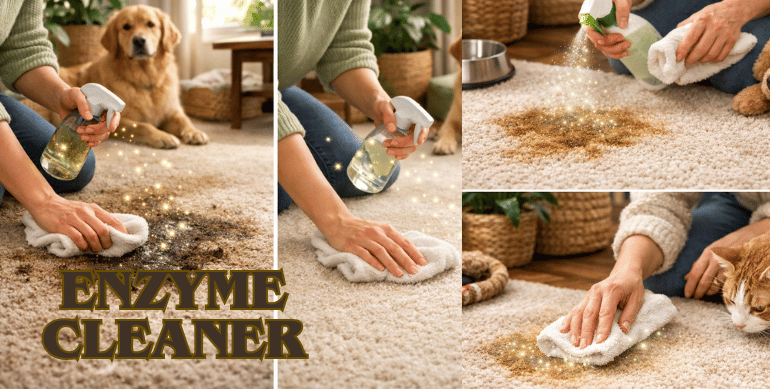
Keeping your home clean no longer requires relying on harsh chemicals or overpowering artificial fragrances, thanks to the rise of the enzyme cleaner as one of the most effective, natural, and eco-friendly cleaning solutions available today.
Designed to tackle stubborn stains, unpleasant odors, and everyday messes at their source, an enzyme cleaner works by breaking down organic matter rather than just masking it, making it ideal for everything from pet accidents and kitchen spills to deep-set grime.
This smarter, safer approach to cleaning helps maintain a fresher home while supporting a healthier environment. This comprehensive guide will help you understand how enzyme cleaners work, their benefits, where to use them, and how to choose the right one for your needs.
| Section | Key Points |
| Enzyme Cleaner | A natural cleaning solution using enzymes to break down organic matter like grease, proteins, and starches |
| How It Works | Enzymes act as catalysts that digest stains and odors at a microscopic level |
| Main Benefits | Eco-friendly, non-toxic, deep cleaning, odor removal, multi-purpose use |
| Common Uses | Pet stains, kitchen spills, bathroom cleaning, carpets, upholstery, laundry |
| Safety | Generally safe when used properly; avoid eyes, store safely, test on surfaces |
| How to Use | Blot, apply generously, let sit, wipe, and air dry |
| Types | DIY (cheap but less stable) vs. commercial (ready-made and consistent) |
| Eco Impact | Biodegradable, reduces chemical pollution, safer for environment |
| Best For | Biodegradable, reduces chemical pollution, safer for the environment |
| Key Advantage | Breaks down stains at the source instead of making them |
What Is an Enzyme Cleaner?
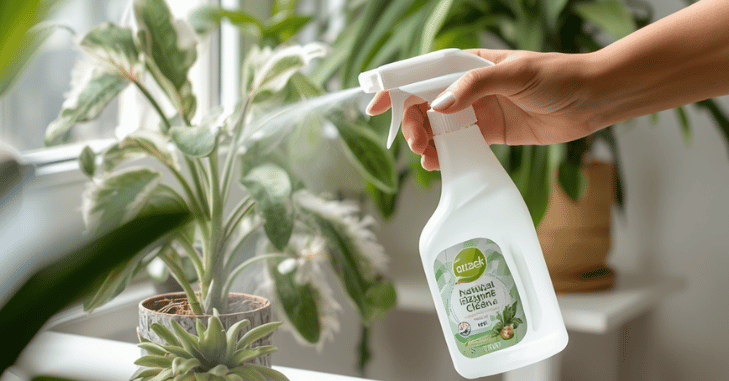
An enzyme cleaner is a powerful, natural cleaning solution that uses biological enzymes to break down organic matter such as grease, proteins, starches, and bacteria at a microscopic level rather than just masking odors or removing surface dirt.
Unlike conventional products, an enzyme cleaner works by targeting the root cause of stains and smells, where enzymes act as catalysts that speed up the breakdown of complex substances into smaller, easily removable particles.
For example, protease enzymes break down protein-based stains like blood and food, lipase enzymes dissolve grease and oils, and amylase enzymes tackle starch residues, making an enzyme cleaner highly effective for deep, long-lasting cleaning results.
Why Choose Enzyme Cleaners?
- Deeper and Safer Cleaning: Clean more effectively and safely than conventional chemical products.
Key Benefits
- Natural and Non-Toxic: Safe for homes with children and pets when used properly
- Effective Odor Removal: Eliminates odors at the source instead of masking them
- Eco-Friendly: Biodegradable ingredients reduce environmental impact.
- Multi-Purpose Cleaning: Works on a wide range of surfaces and messes
- Deep Cleaning Action: Targets hidden bacteria and organic buildup
Common Uses of Enzyme Cleaners
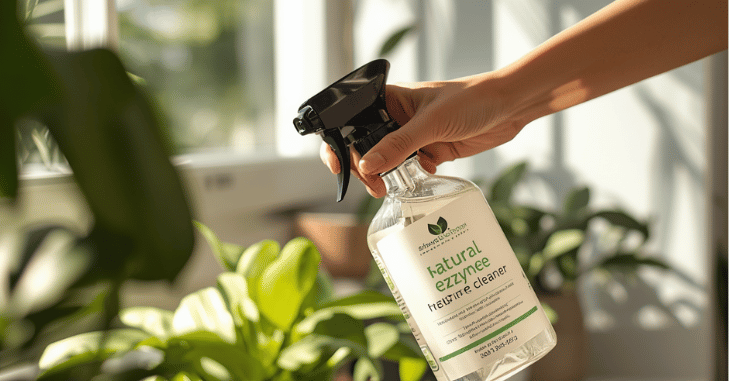
One of the biggest advantages of enzyme cleaners is their versatility. They can be used in almost every area of your home, making them a practical and powerful cleaning solution for different types of messes.
Pet Stains and Odors
Enzyme cleaners are especially effective for cleaning pet urine, vomit, and feces. They break down uric acid crystals, which helps eliminate the source of odors rather than just covering them up. This also prevents pets from re-marking on the same spot and ensures that lingering smells are completely removed.
Kitchen Cleaning
In the kitchen, enzyme cleaners are perfect for tackling food-related messes. They work well on greasy stovetops and countertops by breaking down oils and organic residues. They are also useful for cleaning food spills and keeping garbage bins and drains fresh and odor-free.
Bathroom Cleaning
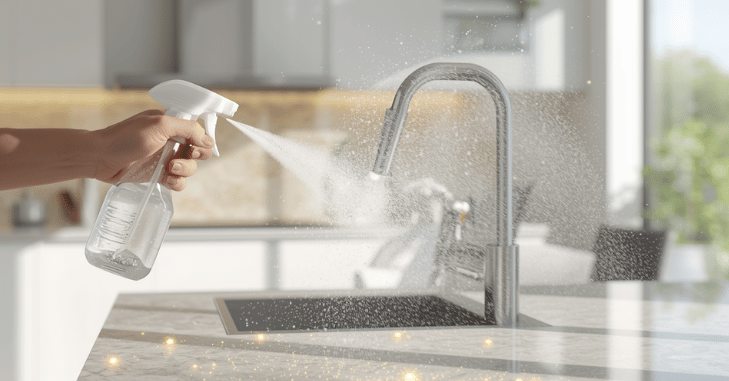
Enzyme cleaners help maintain bathroom hygiene without the need for harsh chemicals. They effectively remove soap scum and organic buildup, tackle toilet stains, and keep shower drains clean by breaking down residue that can cause blockages and odors.
Carpets and Upholstery
For soft surfaces like carpets and upholstery, enzyme cleaners provide deep cleaning. They penetrate fibers to remove embedded stains and eliminate odor-causing bacteria. This not only cleans the surface but also restores freshness and extends the life of fabrics.
Laundry Applications
Enzyme cleaners can also be used as stain removers for clothes. They are effective on tough stains such as blood, sweat, odors, and food spills. By breaking down organic matter, they help restore fabrics without the need for harsh detergents.
Enzyme Cleaners vs. Traditional Cleaners

Understanding the difference can help you make better cleaning choices.
Enzyme Cleaners
- Break down organic matter
- Long-lasting effect
- Eco-friendly
- Safe for frequent use
Traditional Cleaners
- Often rely on harsh chemicals
- May only remove surface dirt
- Can leave residues
- Sometimes mask odors instead of eliminating them
Are Enzyme Cleaners Safe?
Enzyme cleaners are generally safe when used as directed, making them a reliable choice for everyday cleaning. However, it’s important to use them responsibly by keeping them out of reach of children, avoiding direct contact with the eyes, testing the product on a small area before full use to prevent damage, and storing it in a cool, dry place to maintain its effectiveness.
How to Use Enzyme Cleaners Effectively

To get the best results, proper usage is essential. Following the correct steps ensures that the enzymes can break down stains and odors efficiently.
Blot the Area First
Start by removing any excess liquid or debris from the surface. Blotting the area helps prepare it for treatment and allows the cleaner to work more effectively.
Apply Generously
Apply the enzyme cleaner generously to the affected area, making sure it is fully saturated. This ensures the enzymes can reach and break down all the organic material.
Let It Sit

Allow the cleaner to sit for some time so the enzymes can do their job. Typically, this takes about 10–30 minutes or longer for tougher stains.
Blot or Wipe Away
After the enzymes have had time to react, use a clean cloth to blot or wipe away the residue. This helps remove the broken-down particles.
Allow it to air dry.
Finally, let the area air dry completely. This allows the enzymes to continue working and ensures the best possible cleaning results.
Choosing the Right Enzyme Cleaner
Not all enzyme cleaners are the same, so selecting the right one matters.
What to Look For
- Type of Enzymes: Ensure it targets your specific cleaning needs
- Surface Compatibility: Suitable for carpets, fabrics, or hard surfaces
- Concentration Level: Higher concentration for tougher jobs
- Fragrance-Free Options: Ideal for sensitive users
- Pet-Safe Labels: Important for households with animals
Tips for Maximum Effectiveness
- Always follow the product instructions
- Avoid mixing with chemical cleaners (they can kill enzymes)
- Use warm (not hot) conditions for better enzyme activity
- Reapply for stubborn or old stains
Eco-Friendly Cleaning: A Sustainable Choice
Switching to enzyme cleaners is a simple yet powerful way to support a healthier environment, as their biodegradable formulas help reduce chemical pollution, minimize harm to water systems, and provide a more sustainable cleaning alternative overall, making them an eco-friendly choice for lowering your household’s environmental footprint.
Common Mistakes to Avoid
Even the best cleaner won’t work if used incorrectly.
- Using too little product
- Not allowing enough time for enzymes to work
- Mixing with bleach or disinfectants
- Expecting instant results (enzymes need time)
DIY vs Commercial Enzyme Cleaners

DIY Enzyme Cleaners
- Pros: Affordable, made from natural ingredients, customizable
- Cons: Takes time to prepare, less consistent strength, shorter shelf life
Commercial Enzyme Cleaners
- Pros: Ready to use, scientifically formulated, and more reliable results
- Cons: Slightly higher cost
When Should You Use Enzyme Cleaners?
Enzyme cleaners are best used for organic messes.
Ideal Situations
- Pet accidents
- Food spills
- Bodily fluids
- Mold-prone areas
- Trash bins and drains
Conclusion
An enzyme cleaner is a powerful, natural, and eco-friendly solution for maintaining a clean and healthy home without relying on harsh chemicals. By breaking down organic matter at the source, it effectively removes stubborn stains, eliminates odors, and supports safer everyday cleaning across multiple surfaces.
Whether used for pet messes, kitchen spills, or deep fabric cleaning, an enzyme cleaner offers a reliable and sustainable way to achieve long-lasting freshness while protecting both your home and the environment.
Want to know about Best Bathroom Exhaust Fan: Complete Guide to Quiet, Powerful, Energy-Efficient, Moisture-Resistant & Easy-to-Install Fans for Every Bathroom Size and Style Check out our Home For Sale category.
FAQs
Enzyme cleansers are potent, bio-based solutions made to remove stubborn stains and odors from your house.
No, vinegar and lemon solutions are both acidic cleaners.
Enzymes, which belong to the chemical exfoliant family, aid in exfoliating, brightening, and toning your complexion by dissolving dead skin cells without affecting the pH or protective layer of your skin.
Dish soap solution and hydrogen peroxide. To address stains and odors, particularly on carpets or fabrics, combine hydrogen peroxide with dish soap for a more potent treatment.

