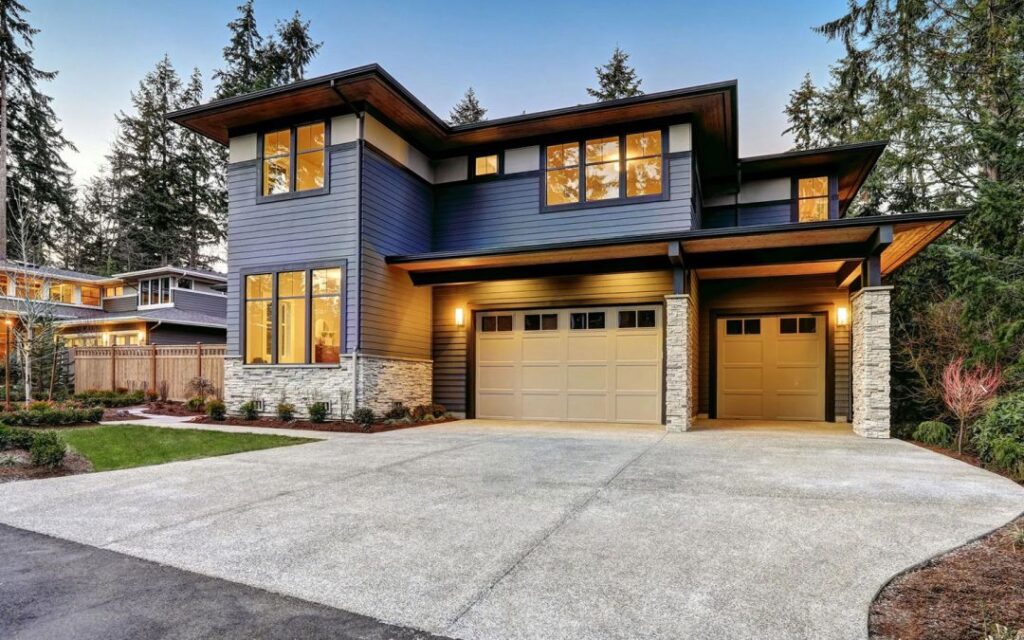
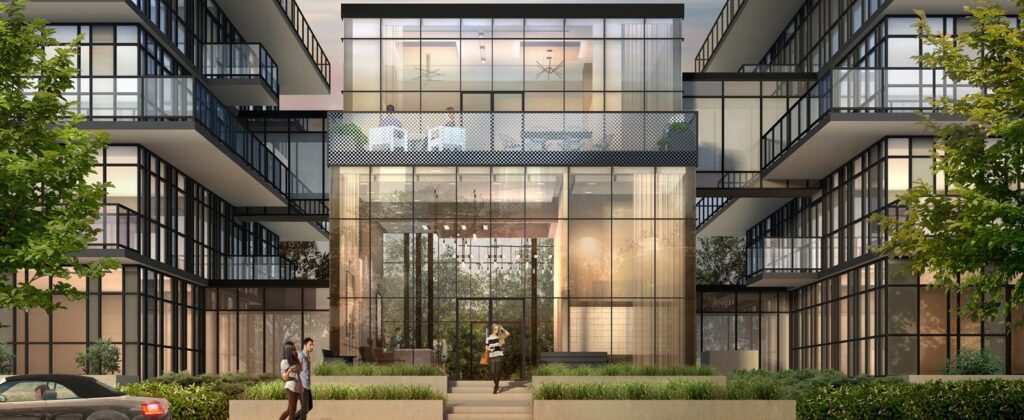
Minimalist interiors are often characterized by a lack of clutter, open spaces, and a focus on clean lines, but to make these interiors feel warm, a careful choice of design elements is necessary. A minimalist home is well-balanced; it combines functionality and comfort and should make the space feel welcoming rather than sterile. This method is especially useful for rental properties, as it can improve both visual appeal and quality of life without requiring major adjustments. According to property management experts in San Jose, a combination of a neutral palette, layered textures, and other minor design elements will create a sophisticated yet inviting ambiance—thereby increasing the property’s overall rental value. Minimalist homes can be a great source of luxury and comfort by focusing on careful design and avoiding over-decoration, which often leads to a cluttered, ineffective, and uncomfortable home.
Six Steps to Build a Minimalist Home That Will Feel Warm

Build a Neutral Foundation with Depth
Experts in property management in the Bay Area suggest that a neutral base should be created, using soft whites, warm beiges, and muted grays—this would enhance the overall rental value of the property by creating a versatile and relaxing environment.
The minimalist design relies on neutral tones as the backdrop, creating a clean, unified background. The space is, however, warmed by adding subtle variations to these tones, keeping it from looking flat or sterile.
Depth and dimension are achieved by layering various shades within the same color family. This will ensure the interior is aesthetically interesting while also conveying a sense of simplicity and equilibrium.
Did you know?
The Bay Area rental market is always among the highest in the United States, with average rent usually being higher than $3,000 every month
Use Natural Materials to Add Warmth
Wood, linen, cotton, and stone are natural materials that are very important in softening minimalist spaces. These components add texture and organic coziness, making the environment more welcoming.
They can be in furniture, flooring, or even decor, but wood accents add richness and character. The soft materials, linen curtains or cotton upholstery, add to the comfort of the interior, being clean at the same time.
The interior is also linked to the exterior space through the use of natural materials, which helps emphasize the concept of harmony and balance in the space.
Specializes in Functional and Thoughtful Furniture
Minimalist design is more quality-oriented than quantity-oriented, and the choice of furniture is an important consideration. Every piece must have a purpose and add to the overall aesthetic.
Minimal furniture with minimalist shapes keeps the spaces visually clear, with only a carefully selected few statement pieces to add personality. Efficiency can be further improved with multifunctional furniture, as it may be necessary to save space in rental houses.
Considerate arrangement so that the layout would look open and unobstructed, allowing the space to be both practical and comfortable.
Did you know?
The average monthly rent in San Jose is among the highest in the U.S., typically exceeding $2,800.
Illuminate to Make the Place Warm
The use of lighting plays a critical role in turning the minimalist interior into a warm and inviting one. The combination of both natural and artificial light can help to create a sense of depth and improve the overall ambiance.
Light colors are especially good at adding comfort, including soft, warm lighting tones. Layered lighting, including ambient, task, and accent lighting, is important to ensure that various parts of the home are properly lit and have a unified appearance.
Well-positioned fixtures have the potential to emphasize textures, materials, and architectural features and to add visual interest without creating clutter.
Include Minor Decorative Items
Although minimalism minimizes extravagance, the decorative elements are carefully chosen to introduce personality and coziness. The visual element that does not distract from the clean appearance can take the form of artwork, textured flooring, or a curated collection of accessories.
Ornament must be deliberate and purposeful, playing a role in the overall design rather than being filler. The spacing of a few pieces can form focal points and add depth to the space. This simplicity-to-expression ratio ensures that the house is inhabited and inviting.
Have a Balance between Space and Comfort
One of the most important principles of minimalist design is to ensure a sense of openness and comfort. Negative space, or empty space, enables the room to breathe and avoids overloading the eye.
Concurrently, no comfort should be compromised. Gentle furnishings, layered textiles, and cozy seating arrangements within the minimalist structure create a warm atmosphere.
This balance is important so that the space is both spacious and warm, and is functional and emotionally cozy.
End Point
To design a warm minimalist house, a deliberate design that incorporates simplicity and comfort is required. Interiors can also be elegant and warm by providing a neutral background, using natural materials, choosing functional furniture, improving lighting, adding subtle decor, and maintaining the balance of space. These considerate design features in a competitive rental market make properties attractive, inviting, and well-suited to modern life.
Apart from that, if you want to know more about How To Pair a Luxury Bed With The Right Mattress For Better Sleep then visit our Luxury Properties category.