
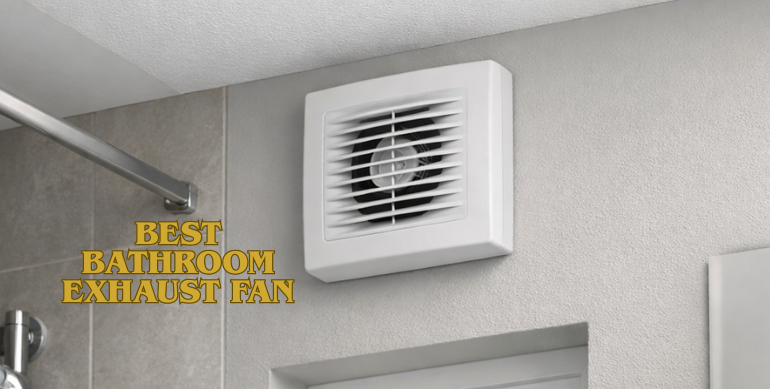
A fresh, comfortable bathroom starts with proper ventilation, and choosing the best bathroom exhaust fan can make all the difference. From steamy showers to daily use, bathrooms are constantly exposed to high humidity levels that can quickly lead to mold growth, peeling paint, warped wood, and persistent odors if not properly controlled.
A high-quality exhaust fan works by efficiently removing excess moisture and stale air, helping to maintain a clean, dry, and hygienic environment. Beyond basic ventilation, the best bathroom exhaust fan also enhances overall comfort and energy efficiency in your home.
In this complete guide, you’ll learn how to choose a quiet, powerful, energy-efficient, and moisture-resistant fan that perfectly fits every bathroom’s size, layout, and style.
| Feature/Aspect | Details |
| Purpose | Removes moisture, humidity, odors, and improves air quality |
| Noise Level (Sones) | 1.0–2.0 (Quiet), 2.1–3.0 (Moderate), 3.1+ (Loud) |
| Airflow (CFM) | 50 (Small), 80 (Medium), 110–150 (Large), 150+ (Extra Large) |
| Energy Efficiency | ENERGY STAR-certified models save electricity and reduce costs |
| Moisture Resistance | Rust-proof, durable housing prevents mold and long-term damage |
| Fan Types | Ceiling-mounted, Wall-mounted, inline/remote, and Combination |
| Additional Features | LED lights, humidity sensors, motion sensors, timers, heaters |
| Installation Tips | Vent outside, place near the shower, check electrical compatibility |
| Maintenance | Clean grille, inspect duct, check the motor, and replace if needed |
| Top Brands/Models | Panasonic, Broan-NuTone, Delta, Hunter, Air King |
| Best For | The best bathroom exhaust fan improves ventilation, prevents mold, and enhances comfort |
What are the best bathroom exhaust fans?
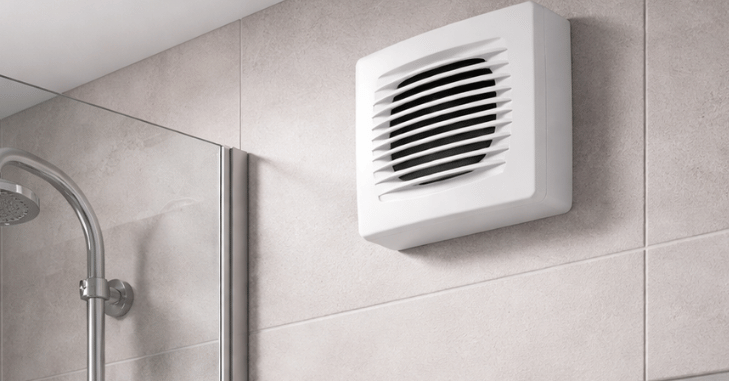
The best bathroom exhaust fan is a ventilation device designed to effectively remove moisture, humidity, odors, and airborne pollutants from your bathroom while operating quietly and efficiently.
It combines the right balance of airflow power (measured in CFM), low noise levels (sones), and energy efficiency to suit your specific bathroom size and needs. A high-quality bathroom exhaust fan also includes features like moisture-resistant construction, durable components, and optional additions such as LED lighting, humidity sensors, and timers.
Ultimately, the best bathroom exhaust fan is one that provides reliable ventilation, prevents mold and mildew, improves indoor air quality, and enhances overall comfort without consuming excessive energy.
Why You Need a Bathroom Exhaust Fan?
Bathrooms are naturally humid environments due to showers, baths, and sinks. Without proper ventilation, moisture builds on walls, ceilings, and floors, leading to potential damage. Here’s why a quality bathroom fan is a must-have:
- Prevents Mold and Mildew: Moist environments are ideal breeding grounds for mold. Fans help reduce humidity levels to prevent growth.
- Improves Air Quality: Removes odors and airborne particles, keeping the bathroom fresh.
- Protects Home Structure: Excess moisture can damage paint, wallpaper, tiles, and wooden fixtures.
- Energy Efficiency: Modern fans can remove humidity without consuming excessive electricity.
Key Features to Look for in a Bathroom Exhaust Fan
Noise Level
- Quiet operation is critical, especially if your bathroom is close to bedrooms or living areas
- Noise is measured in sones:
- 1.0–2.0 sones: Whisper-
- 2.1–3.0 sones: Noticeable but not disruptive
- 3.1+ sones: Loud, may be disruptive
- A quiet fan ensures comfort without sacrificing performance
Airflow Capacity
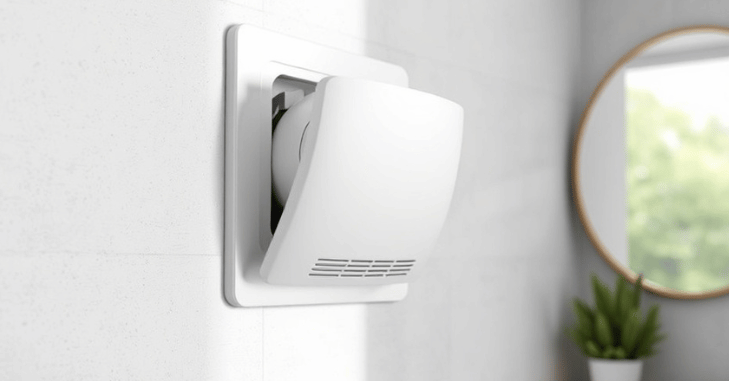
- Measured in CFM (cubic feet per minute), airflow determines how quickly the fan removes moisture
- Recommended airflow by bathroom size:
- Small bathroom (up to 50 sq ft): 50 CFM
- Medium bathroom (50–100 sq ft): 80 CFM
- Large bathroom (100–150 sq ft): 110–150 CFM
- Extra-large or spa-style bathrooms: 150+ CFM
- Selecting the right CFM prevents under-ventilation or unnecessary energy use
Energy Efficiency
- Look for fans that are ENERGY STAR certified
- Benefits include:
- Uses high-efficiency motors
- Reduces electricity bills
- Often includes built-in lighting or sensor features
Moisture and Mold Resistance
- Features to consider:
- Moisture-resistant housing
- Rust-proof components
- Ensures long-term durability
- Especially important in humid bathrooms or coastal areas
Additional Features
- Modern bathroom fans may include the following:
- Integrated LED lighting for illumination
- Humidity sensors that automatically turn the fan on/off
- Motion sensors for automatic activation
- Timer functions for energy savings
- Heaters for combined warmth and ventilation
Types of Bathroom Exhaust Fans
Ceiling-Mounted Fans
Ceiling-mounted fans are the most common type of bathroom exhaust fans used in homes. They are typically installed on the ceiling, often above showers or bathtubs, to effectively remove moisture and humidity.
These fans are usually connected to ducting that vents air outside the home, ensuring proper ventilation. Due to their efficiency and practicality, they offer the best overall performance for standard-sized bathrooms.
Wall-Mounted Fans
Wall-mounted fans are an excellent option for bathrooms where ceiling installation is not possible or practical. These fans are installed directly on an exterior wall and vent air straight outside without the need for complex ductwork. They are especially suitable for small to medium-sized bathrooms and provide a simple yet effective ventilation solution.
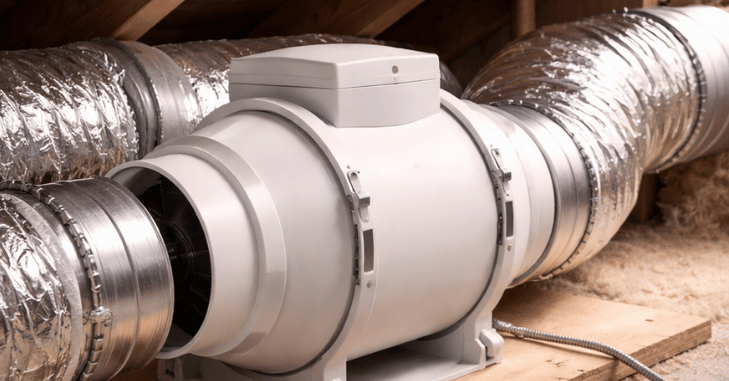
Inline or Remote Fans
Inline or remote fans are installed in the attic or within the ceiling cavity rather than directly in the bathroom. Because the motor is located away from the main space, these fans operate much more quietly, reducing noise levels significantly.
Combination Fans
Combination fans are multifunctional units that include additional features such as built-in lighting, heaters, or humidity sensors. These fans are designed to save space while adding convenience and enhanced functionality. Although they are often a more premium option, they provide greater efficiency and comfort, making them a popular choice for modern bathrooms.
Top Bathroom Exhaust Fans Recommendations
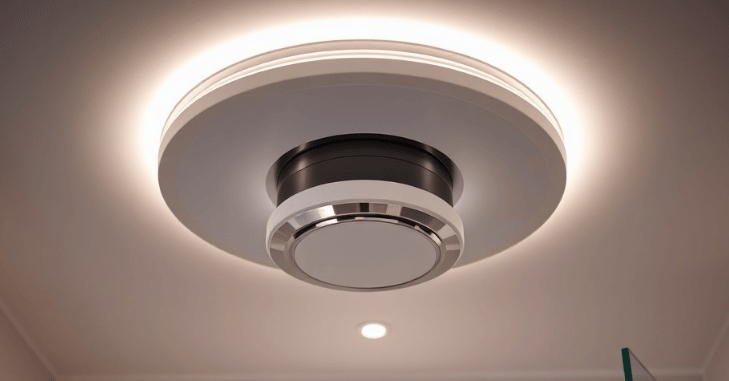
Panasonic WhisperCeiling Series
- Ultra-quiet (<1.0 sone)
- Energy-efficient and moisture-resistant
- Ideal for small- to medium-sized bathrooms
- Easy installation with retrofit options
Broan-NuTone Ultra Green
- Powerful airflow (80–150 CFM)
- ENERGY STAR certified
- Built-in humidity sensor options
- Long-lasting and rust-resistant
Delta Signature Series
- Extremely quiet and energy-efficient
- Inline or ceiling-mounted options
- Brushless DC motor for longevity
- Affordable and reliable
Hunter HomeComfort Series
- Quiet and sleek design
- Combines fan and LED lighting
- Mold- and moisture-resistant housing
- Perfect for contemporary bathrooms
Air King Energy Star Fans
- Quiet operation (≤2 sones)
- Energy-efficient motor
- Durable and corrosion-resistant
- Budget-friendly without compromising performance
Installation Considerations
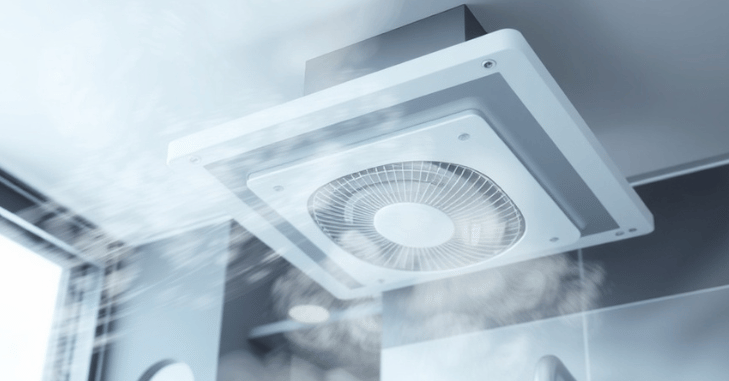
When installing the best bathroom exhaust fan, proper setup is essential to ensure maximum performance and long-term efficiency. Make sure the fan is ducted to the outside of your home rather than into an attic or crawl space to prevent moisture buildup and damage.
Position the fan near the shower or bathtub for optimal moisture and humidity removal. It’s also important to check electrical requirements, including voltage and circuit compatibility, as some models may need a dedicated circuit for safe operation. For more complex installations or advanced systems, hiring a licensed electrician is highly recommended to ensure both safety and optimal performance.
Tips for Maintaining Your Bathroom Exhaust Fan
- Clean the Grille: Dust buildup can reduce airflow. Wipe monthly.
- Inspect the Duct: Ensure ductwork is free of obstructions or condensation.
- Check the motor: Lubricate if recommended by the manufacturer.
- Replace as Needed: If the fan becomes noisy or airflow drops, replacement may be more cost-effective than repair.
Common Mistakes to Avoid

- Installing a fan that’s too small for your bathroom
- Venting into the attic, causing moisture damage
- Ignoring noise levels, leading to discomfort
- Skipping regular cleaning, which reduces efficiency
Conclusion
Choosing the best bathroom exhaust fan is essential for maintaining a clean, healthy, and moisture-free bathroom environment. By focusing on key factors such as quiet operation, proper airflow capacity, energy efficiency, and moisture resistance, you can ensure long-term performance and comfort.
A well-selected fan not only prevents mold and structural damage but also improves air quality and overall home value. Whether you opt for a basic model or a feature-rich combination unit, investing in the best bathroom exhaust fan will provide reliable ventilation, enhance daily comfort, and protect your bathroom for years to come.
Want to know about How to Bleed a Radiator: Complete Step-by-Step Guide to Improve Heating Efficiency and Remove Trapped Air from Your Heating System Check out our Home For Sale category.
FAQs
This translates to one CFM per square foot of bathroom space for the majority of bathrooms.
Select a fan with a minimum ventilation capacity of 1 CFM per square foot of space
Calculate about 1 CFM per square foot for restrooms that are between 50 and 100 square feet.
The standard unit of measurement for cubic feet per minute of air is CFM.

