Understanding Crawl Space Insulation and Why It Matters
Crawl space insulation plays a crucial role in maintaining your home’s energy efficiency, comfort, and structural integrity. The crawl space acts as a barrier between the ground and your living area, and when it’s left uninsulated, it can lead to issues like cold floors, moisture buildup, and higher utility bills. Proper insulation helps regulate temperature, prevents mold and mildew, and enhances indoor air quality.
According to energy experts, 15–20% of a home’s heat loss occurs through the floor, making crawl space insulation an essential investment for homeowners seeking long-term savings and comfort.
Crawl Space Insulation Quick Facts
| Category | Details |
|---|---|
| Purpose | Controls temperature and moisture in crawl spaces. |
| Average Cost | $1.00 – $4.50 per sq. ft. |
| Total Cost (1,000 sq. ft.) | Around $1,000 – $4,500. |
| Common Materials | Fiberglass, spray foam, foam board. |
| Best Option for Humidity | Closed-cell spray foam. |
| DIY Feasibility | Easy with fiberglass or foam board. |
| Professional Required | Spray foam needs expert installation. |
| R-Value Range | R-11 to R-30 based on region. |
| Lifespan | 10–30 years depending on material. |
| Vapor Barrier | Strongly recommended to prevent mold. |
| Energy Savings | Up to 25% yearly on utility bills. |
| Moisture Protection | Spray foam offers excellent sealing. |
| Ideal Climate | Works in both humid and cold areas. |
| Installation Area | Crawl space walls and floor joists. |
| Installation Time | 1–3 days average. |
| Maintenance Need | Check every 1–2 years. |
| Common Issues | Sagging or damp insulation. |
| Mold Prevention | Use vapor barrier and dehumidifier. |
| Environmental Benefit | Reduces energy waste and emissions. |
| Safety Tip | Ensure ventilation during spray foam use. |
| Cold Region R-Value | Minimum R-19 recommended. |
| Best Season to Install | Spring or fall for optimal results. |
| Added Services | Encapsulation or dehumidifier setup. |
| Home Comfort | Warmer floors and better air quality. |
| ROI | Full payback within 3–5 years. |
Different Types of Crawl Space Insulation
When choosing crawl space insulation, the material and installation method depend on your home’s location, climate, and crawl space design. Here are the most common types of insulation used today:
1. Fiberglass Insulation
Fiberglass is one of the most traditional and affordable insulation materials. It comes in rolls or batts and is installed between floor joists.
Pros: Cost-effective, easy to install, and widely available.
Cons: Susceptible to moisture, sagging, and mold growth if not properly sealed or if humidity levels are high.
2. Spray Foam Insulation
Spray foam is a modern and highly efficient option for insulating crawl spaces. It expands to fill gaps, providing both insulation and an airtight seal.
Pros: Excellent moisture resistance, superior air sealing, and high R-value per inch.
Cons: More expensive than fiberglass, requires professional installation, and requires proper ventilation during application.
3. Rigid Foam Board
Rigid foam insulation, made from polystyrene or polyisocyanurate, is ideal for crawl space walls. It resists moisture and provides continuous insulation.
Pros: Moisture-resistant, durable, and long-lasting.
Cons: Requires precise cutting and sealing around edges to prevent air leakage.
4. Mineral Wool (Rock Wool)
Mineral wool is another effective option that provides excellent fire resistance and soundproofing.
Pros: Fire-resistant, pest-resistant, and moisture-tolerant.
Cons: More expensive and less common than fiberglass.
Crawl Space Insulation Cost Breakdown
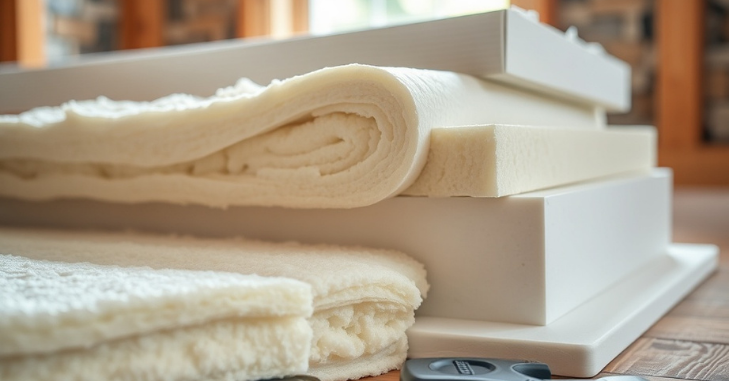
The cost of crawl space insulation varies depending on the area size, material type, labor, and local climate conditions. On average:
| Type of Insulation | Average Cost per Square Foot | Estimated Total (1,000 sq. ft.) | Lifespan |
| Fiberglass Batts | $1.00 – $1.80 | $1,000 – $1,800 | 10–15 years |
| Spray Foam | $2.50 – $4.50 | $2,500 – $4,500 | 20–30 years |
| Rigid Foam Board | $1.80 – $3.00 | $1,800 – $3,000 | 20+ years |
| Mineral Wool | $1.50 – $2.50 | $1,500 – $2,500 | 15–20 years |
Other costs may include:
- Vapor barrier installation: $0.50–$1.00 per sq. ft.
- Moisture or mold removal (if needed): $500 – $2,000
- Professional labor: $1,000 – $2,500 depending on region and difficulty
Investing in high-quality insulation can save homeowners 15–25% annually on heating and cooling bills, offsetting initial costs within a few years.
Spray Foam vs Fiberglass: Which One Should You Choose?
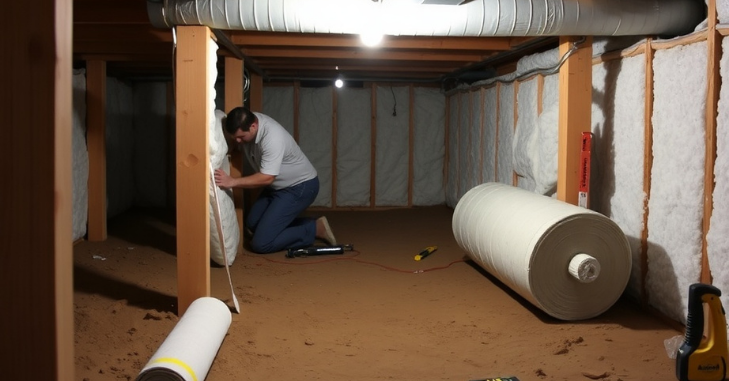
When comparing spray foam vs. fiberglass, the decision depends on your budget, home type, and climate.
1. Energy Efficiency
Spray foam outperforms fiberglass in energy efficiency because it creates a seamless air barrier. It has a higher R-value (6.0–7.0 per inch) than fiberglass (2.2–3.8 per inch).
2. Moisture Resistance
Spray foam is moisture-resistant and prevents condensation, whereas fiberglass can trap moisture if not sealed properly. In humid regions, spray foam or rigid foam board is usually the better choice.
3. Durability
Spray foam lasts up to 30 years with minimal maintenance, whereas fiberglass typically needs replacement after 10–15 years.
4. Cost
Fiberglass is significantly cheaper, making it appealing for homeowners on a tight budget. However, spray foam offers better long-term energy savings and lower maintenance costs.
If you’re looking for a cost-effective solution, fiberglass is fine for dry climates. For humid regions or long-term performance, spray foam is the clear winner.
Installation Tips for Crawl Space Insulation
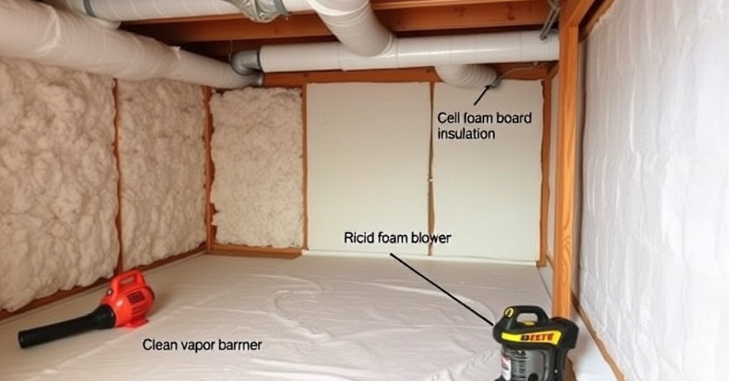
Proper installation is critical to ensure efficiency and prevent issues such as mold growth and air leakage. Here are expert-recommended steps:
1. Inspect and Clean the Crawl Space
Before installing insulation, remove debris, old insulation, and check for any signs of water damage or pests. Repair cracks or leaks to prevent moisture intrusion.
2. Control Moisture First
Install a vapor barrier or moisture barrier on the ground before adding insulation. It helps prevent dampness and mold.
3. Seal Air Leaks
Use expanding foam or caulk to seal gaps around pipes, vents, and foundation cracks. Unsealed air leaks can reduce insulation efficiency by up to 30%.
4. Install Insulation Properly
- For fiberglass: Fit batts snugly between joists without compressing them.
- For spray foam, hire a certified professional for a safe, even application.
- For rigid foam: Attach panels directly to crawl space walls using adhesive or mechanical fasteners.
5. Insulate Ductwork and Pipes
If your HVAC ducts or plumbing run through the crawl space, insulate them as well to prevent heat loss and frozen pipes.
6. Maintain Proper Ventilation
Even with insulation, your crawl space needs-controlled ventilation. Use vent covers or a dehumidifier to balance humidity.
Importance of Proper Crawl Space Ventilation Balance
Another key factor that homeowners often overlook is maintaining the right balance between insulation and ventilation in a crawl space. While insulation helps control temperature and reduce energy loss, proper ventilation or moisture control systems are equally important to prevent trapped humidity from causing structural damage.
In many modern homes, sealed or encapsulated crawl spaces combined with dehumidifiers are preferred over traditional open ventilation, as they provide better control over air quality and moisture levels. This balance not only improves the effectiveness of insulation but also helps protect wooden structures, floor joists, and indoor air quality over the long term.
Long-Term Energy Savings and Environmental Benefits
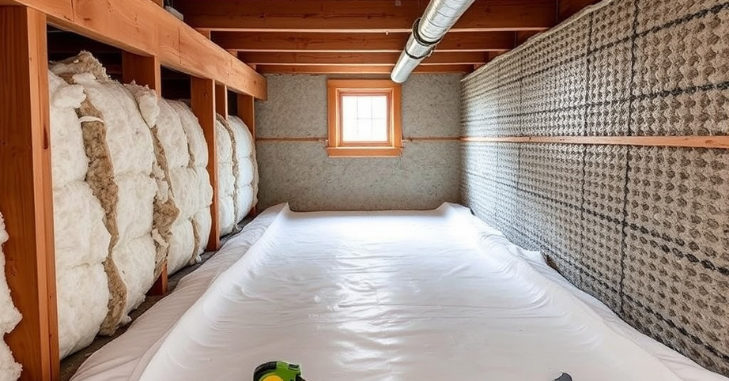
High-quality crawl space insulation can significantly improve energy performance and reduce environmental impact. Here’s how:
- Lower Energy Bills: Proper insulation minimizes heat transfer, leading to consistent indoor temperatures and reduced HVAC strain.
- Improved Comfort: Eliminates cold floors and drafts, making the home warmer in winter and cooler in summer.
- Enhanced Air Quality: Reduces moisture, mold, and allergens, creating a healthier living environment.
- Reduced Carbon Footprint: Lower energy consumption means fewer greenhouse gas emissions.
Common Mistakes to Avoid
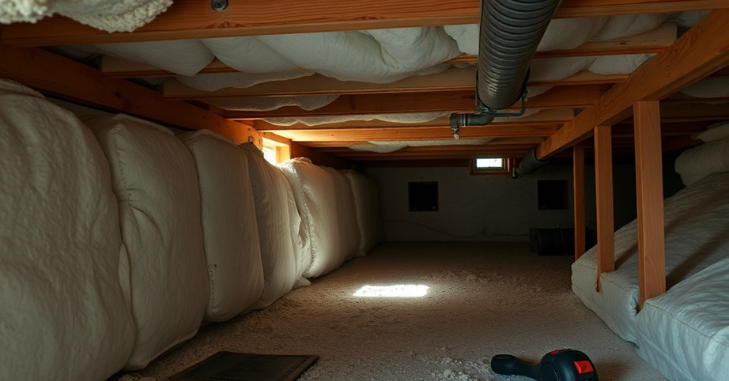
Many homeowners make simple mistakes that reduce the effectiveness of crawl space insulation:
- Installing insulation before fixing water leaks or moisture issues
- Using fiberglass in damp or unsealed crawl spaces
- Neglecting to add a vapor barrier
- Leaving gaps or compressed insulation that lowers R-value
- Ignoring duct and pipe insulation
Avoiding these pitfalls ensures long-lasting protection and energy efficiency.
Conclusion
Crawl space insulation is more than just a home improvement project; it’s a wise investment in comfort, health, and energy efficiency. Whether you choose fiberglass for affordability or spray foam for long-term performance, the key is to ensure proper installation and moisture control.
When done correctly, crawl space insulation can help reduce your heating and cooling expenses, eliminate drafts, and protect your home from mold and dampness for decades. It’s an upgrade that pays for itself in energy savings and peace of mind, making it a must for homeowners who want a warmer, drier, and more sustainable living space.
Apart from that, if you want to know more about Rustic Backyard Pool and Patio Themes then visit our New Construction Homes category.
Frequently Asked Questions (FAQs)
Crawl space insulation is the process of adding thermal material beneath your home to regulate temperature and prevent heat loss.
With proper installation and maintenance, spray foam insulation can last up to 30 years, while fiberglass typically lasts 10–15 years. Regular inspections can help extend the life of your insulation and prevent costly repairs.
It’s essential because it helps reduce energy bills, protects against moisture damage, and keeps your indoor air cleaner and more comfortable year-round.