Introduction
What are the dimensions of an acre? Dimensions of an acre involve exploring its historical roots, standard shapes, and practical applications. Historically, an acre was determined by the amount of land one person could plow in a day using an ox, making it a concept deeply tied to agriculture.
Today, its standardized measurement ensures consistency across various industries. This article delves into the dimensions of an acre, its historical significance, common shapes, global variations, and its crucial role in modern applications such as property valuation, farming, and development.
| Aspect | Details |
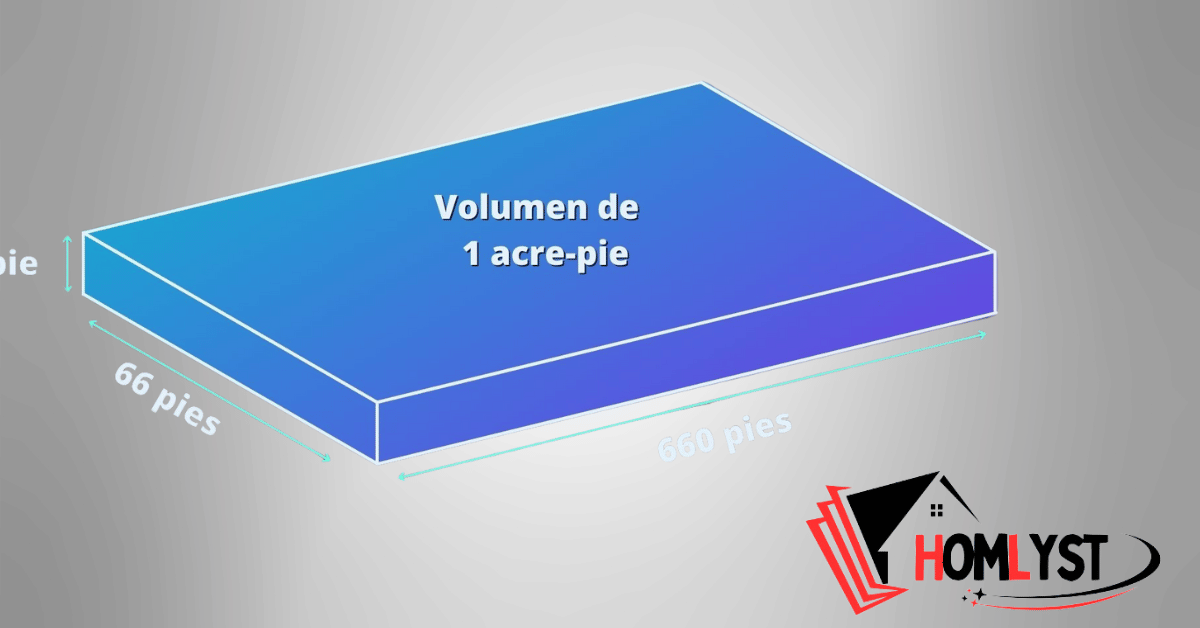
| What are the Dimensions of an Acre? | Square: 208.71 ft x 208.71 ft. Rectangular: 66 ft x 660 ft. Equivalent to 4,046.86 sq. meters or 0.4047 hectares. |
| Standard Units | 43,560 sq. ft., 4,840 sq. yards, 0.4047 hectares, or 4,046.86 sq. meters. |
| Historical Context | Originated from the Old English “æcer,” meaning “field,” once defined by the land plowed in a day with an ox. |
| Visualizing Acre Size | Football field (1.32 acres), soccer field (1.6-1.9 acres), 16 tennis courts, or 150 parking spaces. |
| Common Shapes | Flexible shape; typically visualized as square or rectangular based on historical usage. |
| Applications | Predominantly used in the U.S. and U.K.; occasionally in Canada and Australia for real estate. |
| Unit Conversions | To square feet, multiply by 43,560; to square meters, multiply by 4,046.86; to hectares, multiply by 0.4047. |
| Applications | Key in real estate (property valuation), agriculture (planning), and land development (design). |
Visualizing the Dimensions of an Acre
While an acre is always equal to 43,560 square feet, its dimensions can vary depending on the shape of the land in question. An acre does not have fixed length and width measurements, which means it can be shaped into many different rectangles or other configurations as long as the total area remains the same. For example, one commonly used representation of an acre is a plot that measures 208.71 feet by 208.71 feet, forming a square. However, an acre could just as easily be a long, narrow strip or a more irregular shape, so long as it covers the same total area. Understanding that an acre’s dimensions are flexible helps property buyers and planners better visualize and compare land layouts in real estate and development scenarios.
What Are The Dimensions Of An Acre?
What are the dimensions of an acre? An acre is a standardized unit of land area equivalent to 43,560 square feet. Its shape is not fixed, as it can take any form, such as rectangular, square, or irregular, as long as the total area equals this measurement.
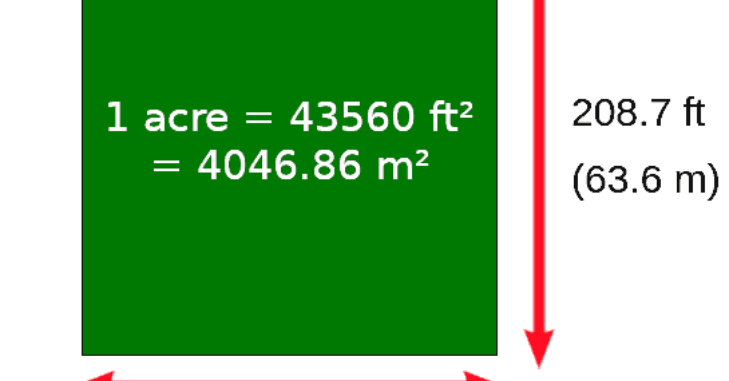
Commonly, an acre is visualized as a square plot measuring approximately 208.71 feet on each side or as a rectangular plot measuring 66 feet by 660 feet. These dimensions stem from historical agricultural practices. In metric terms, an acre equals approximately 4,046.86 square meters, or 0.4047 hectares, making it a globally significant unit for land measurement in real estate, agriculture, and development planning.
Standard Dimensions
We define an acre as 43,560 square feet, and we can represent this measurement in various units:
- Square Yards: 4,840 square yards
- Square Meters: Approximately 4,046.86 square meters
- Hectares: Approximately 0.4047 hectares
These conversions are crucial for international land transactions and understanding land sizes in different measurement systems.
Historical Context of the Acre
The term “acre” originates from the Middle English word “aker,” derived from the Old English “æcer,” meaning “field.” Historically, an acre was conceptualized as the amount of land that could be plowed by one man with an ox in a single day.
This measurement varied based on regional practices and the type of land. Over time, authorities standardized the acre to its current measurement to ensure consistent land assessment and transactions.
Visualizing an Acre
Grasping the size of an acre can be challenging without a visual reference. Here are some practical comparisons:
- Football Field: An American football field, including the end zones, covers about 1.32 acres. Therefore, an acre is slightly smaller than a full football field.
- Soccer Field: A standard soccer field ranges from 1.6 to 1.9 acres, making an acre approximately 60% of a soccer field.
- Tennis Courts: You can fit about 16 tennis courts within an acre, arranged in a 4×4 grid.
- Parking Spaces: An acre can accommodate roughly 150 cars parked in a square formation.
These comparisons provide tangible references to understand the expanse of an acre.
Common Shapes of an Acre
An acre does not have a fixed shape; it can be any configuration as long as the total area equals 43,560 square feet. Certain dimensions are traditionally linked to an acre:
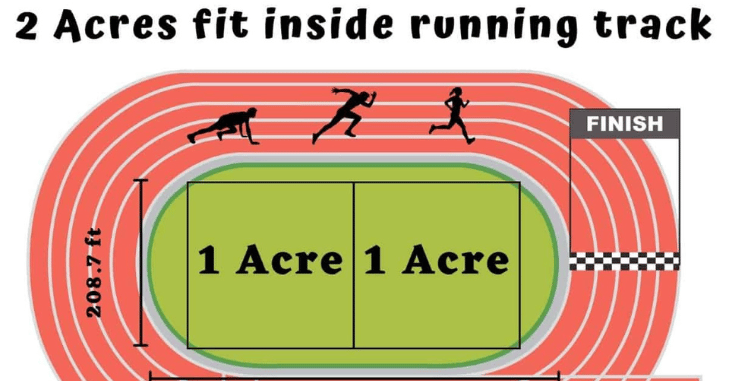
- Square Acre: Approximately 208.71 feet on each side (since 208.71 feet x 208.71 feet ≈ 43,560 sq ft).
- Rectangular Acre: People commonly visualize an acre as a rectangle measuring 66 feet by 660 feet. This configuration stems from historical agricultural practices.
These dimensions are not mandatory but serve as standard references.
Acreage in Different Countries
The acre is predominantly used in the United States and the United Kingdom, but its application varies across the globe.
- United States, The acre remains a standard unit for land measurement in real estate, agriculture, and government land transactions.
- In the United Kingdom, the hectare replaced the acre in official land measurements in 1995, but people still commonly use acres in real estate and agriculture.
- Canada and Australia have largely adopted the metric system, using hectares for land measurement. However, real estate professionals still occasionally reference acres.
Understanding these regional differences is vital for international land dealings and comprehension.
Acreage Conversion to Other Units
Converting acres to other units is straightforward:
- To Square Foot: Multiply the number of acres by 43,560.
- To square meters: multiply the number of acres by 4,046.86.
- To Hectares: multiply the number of acres by 0.4047.
These conversions are essential for interpreting land sizes across different measurement systems.
Applications of Acre Measurements
Understanding the dimensions of an acre is crucial in various fields.
- Real Estate: accurately assessing property sizes and values.
- Agriculture: Planning crop yields and livestock management.
- Land Development: Designing subdivisions, parks, and commercial properties.
A clear grasp of acreage ensures informed decision-making in these sectors.
Conclusion
What are the dimensions of an acre? An acre, measuring 43,560 square feet, is a fundamental unit of land measurement with deep historical roots. Visualizing its size through comparisons like football fields or tennis courts aids in comprehension.
Whether you’re in real estate, agriculture, or land development, understanding the dimensions of an acre is indispensable for accurate planning and assessment.
Apart from that if you want to know about “How Many Square Feet is an Acre? Dimensions, History, Applications of an Acre, Units of Measurement, Fun Facts About an Acre, and More Information” then please visit our “Urban Real Estate” Category.
FAQs
You should be aware that one acre is equivalent to 43,560 square feet. According to conventional measurements, one acre is roughly 208.71 feet long (or 63.63 meters). It is 208.71 feet wide.
Eight 50-by-100-foot portions make up the land, and since an acre is equivalent to 100 decimals, dividing 100 by eight yields 12.5 decimals.
An acre is roughly equal to nine basketball courts, sixteen tennis courts, or 90% of a football field.
Acres are based on area rather than shape, allowing flexibility in land division, surveying, and property layouts.
A square shape measuring approximately 208.71 feet on each side is a common way to visualize an acre.