Knowing About The Walkout Basement
A walkout basement is a valuable home feature that can increase property value by 10–15% in suburban areas. Its benefits include extra space for bedrooms, rentals, or recreation, while saving homeowners 20–30 minutes daily by avoiding stairs. With energy-efficient windows, LED lighting, and proper insulation, it can lower utility bills by 15–25%.
Flooring options like vinyl, tile, or engineered wood cost $5–$12 per square foot, while interior upgrades average $15,000–$25,000. Outdoor patios, decks, and terraces enhance aesthetics, add 5–8% to property value, and can earn rental units $1,200–$2,000 monthly, making walkout basements a wise investment.
| Basics | Details |
| Property Value | Increases home worth 10–15% |
| Extra Space | Adds rooms, rentals, or recreation |
| Accessibility | Outdoor entry eases moving and tenant access. |
| Time Savings | Avoids stairs, saves 20–30 min/day. |
| Energy Efficiency | Better sunlight and ventilation lower bills |
| Design Use | Family room, gym, or home theater |
| Interior Upgrades | High ceilings, engineered flooring, $15k–$25k |
| Flooring Options | Vinyl, tile, or engineered wood; moisture-resistant |
| Lighting | Natural light + LEDs cut electricity 25–30% |
| Heating | Mini-splits, radiant floors, proper insulation |
| Cooling | An efficient HVAC system keeps 800–1,200 sq ft comfortable. |
| Outdoor Integration | Patios, decks, terraces, smooth indoor-outdoor flow |
| Landscaping | Shrubs, paths, seating; adds 5–8% value |
| Construction Cost | $120–$200/sq ft; luxury adds $20k–$40k |
| Rental Potential | Separate units earn $1,200–$2,000/month |
| Energy Savings | LED lighting, insulated walls, smart thermostats |
Advantages of a Walkout Basement
A walkout basement boosts property value by 10–15% in suburban areas. It allows for extra bedrooms, rental units, or recreational areas. Direct outdoor access reduces the need to move furniture and provides a separate entry for tenants. Homeowners in Austin, Texas, report saving 20–30 minutes daily by avoiding internal stairs.
Basements also enhance energy efficiency due to better ventilation and sunlight, unlike traditional underground basements. Walkout Basement offers modern homeowners extra living space, seamless indoor-outdoor access, enhanced natural light, and increased property value, making it a practical, stylish, and highly desirable home feature.
Design Ideas

A basement can serve as a family entertainment space, gym, or home theater. Adding 12-foot sliding glass doors that open to patios or backyards improves indoor-outdoor flow. Interior upgrades such as engineered oak flooring, 9-foot ceilings, and recessed LED lights cost $15,000–$25,000 on average. Designer Mark Trostle-style finishes balance style with durability, making these basements suitable for luxury homes in cities like Seattle or Denver.
Flooring Options
Flooring in a walkout basement must withstand moisture and temperature changes. Options include 7mm vinyl planks, ceramic tiles, or engineered hardwood. Carpeting can be placed on raised subfloors for insulation. Installation costs range from $5 to $12 per square foot, depending on the material. Proper drainage, underlayment, and moisture barriers prevent mold and warping.
Lighting Solutions
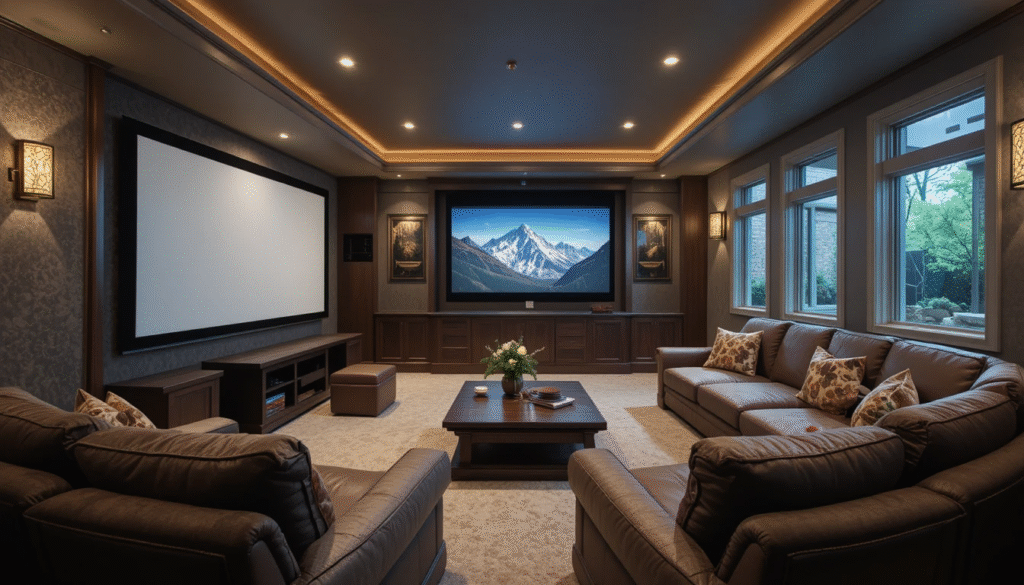
Natural light from large basement windows reduces electricity costs by 25–30% annually. Supplementing with 4–6 recessed LED lights, wall sconces, and smart dimmers creates mood flexibility. In Denver, homeowners report that adding skylights and exterior-grade French doors improves ambiance and reduces lighting expenses by $200–$400 per year. Layered lighting ensures the basement is bright.
Heating and Cooling Considerations
Heating and cooling a basement requires 8,000–12,000 BTU mini-splits or extended HVAC ducts. Radiant floor heating costs around $12–$15 per square foot, maintaining warmth in colder states like New York and Michigan. Proper insulation, 6–8 inch concrete walls, and energy-efficient windows reduce utility bills by 15%. Cooling via central systems or mini-splits ensures year-round comfort in the 800–1,200 sq. ft. living space.
Outdoor Integration and Landscaping
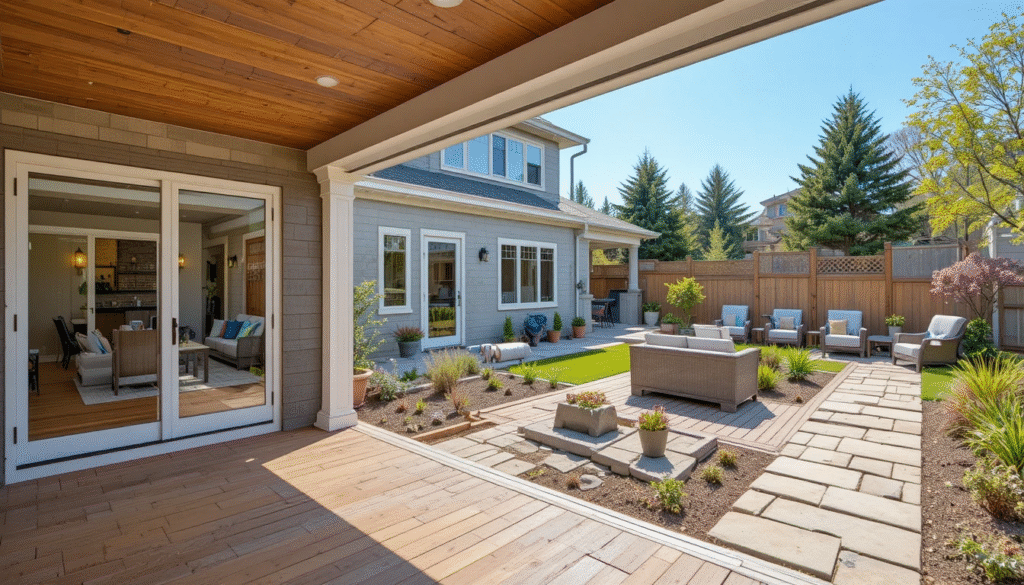
Walkout basements with patios, decks, or terraces seamlessly integrate with the outdoors. Proper grading, retaining walls, and drainage prevent water intrusion. In Seattle, installing a 200 sq. ft. terrace costs $8,000–$12,000. Sliding glass or French doors create smooth indoor-outdoor transitions. Landscaping with shrubs, stone paths, and seating enhances aesthetics and property value by 5–8%.
Cost Considerations
Building or finishing a basement costs $120–$200 per square foot, depending on materials and features. Luxury finishes, glass doors, and innovative technology add $20,000–$40,000. Homes in Denver, Austin, and Boston report an ROI of 60–70% when selling. Budgeting for waterproofing, insulation, lighting, and HVAC ensures long-term usability, making the basement an investment in space, comfort, and property value.
Furniture and Interior Layout

Walkout basements allow flexible furniture arrangements, including sectional sofas, home theaters, and gaming setups. Multi-purpose furniture with storage enhances efficiency in 800–1,200 sq. ft. spaces. Homeowners in Seattle and Minneapolis use modular shelving, foldable tables, and ergonomic seating for functional living areas. Proper layout planning.
Rental Potential
Basements can be converted into separate rental units with kitchens and bathrooms. Average rental income ranges from $1,200 to $2,000 per month, depending on location. Homes in Austin, Denver, and Seattle with rental-ready basements report an ROI of 8–12%. Separate entrances maintain tenant privacy. Proper permits, safety features, and soundproofing ensure compliance and comfort, turning basements into income-generating spaces.
Energy Efficiency

Basements with energy-efficient windows, LED lighting, and insulated walls reduce heating costs by 15–25%. Solar-assisted lighting or smart thermostats optimize energy use. In Minneapolis, these measures can save $200–$400 annually. Efficient HVAC systems, proper insulation, and moisture management ensure consistent temperatures and reduce energy waste, making basements both eco-friendly and cost-effective for long-term living.
Conclusion
In conclusion, walkout basements significantly enhance a home’s value, functionality, and comfort. They provide extra living space, rental potential, and energy savings while improving accessibility and indoor-outdoor flow. With options for upgraded flooring, lighting, and heating, these basements can be customized for style and efficiency. From patios and terraces to flexible interiors, investing in a basement offers long-term benefits, higher property value, and a practical, modern living solution.
Want to know about Houston Suburbs: Famous Places and Their Features, Advantages, Essential Guide about Houston Suburbs, and More Information Check out our Luxury Properties category.
FAQs
By creating extra living space and rental potential, a basement can boost home worth by 10–15% while improving design appeal and practical functionality for homeowners.
These spaces can be converted into gyms, theaters, playrooms, or family lounges. Adding patios or terraces further enhances usability, light, and seamless indoor-outdoor transitions.
Moisture-resistant vinyl, ceramic tiles, and engineered hardwood work well. Carpeting on raised subfloors provides insulation, comfort, and protection against moisture or temperature fluctuations.