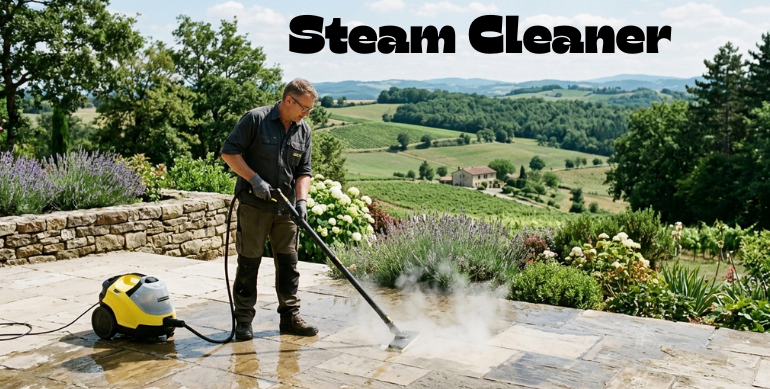
The modern home is a sanctuary, yet maintaining it can often feel like a never-ending battle against dirt, grime, and hidden bacteria. Many homeowners rely on a cabinet full of specialized chemical cleaners: one for glass, one for grease, and another for bathroom tile.
Not only is this expensive and clutter-prone, but it also introduces unnecessary chemicals into your living environment. There is a better, more efficient way to achieve a professional-level clean: the steam cleaner.
A steam cleaner is one of the most versatile tools you can add to your cleaning arsenal. By harnessing the simple power of high-temperature water vapor, these machines can sanitize, degrease, and refresh almost every surface in your home.
Whether you are dealing with stubborn oven grease, grimy bathroom grout, or allergens trapped in upholstery, a high-quality steam cleaner guide is essential for unlocking your home’s true cleanliness.
| Category | Key Point |
| Definition | Cleans using high-temperature steam |
| Benefits | Kills germs, eco-friendly |
| Uses | Floors, kitchen, bathroom, fabrics |
| Temperature | 100°C+ for sanitization |
| Safety | Avoid delicate surfaces |
| Types | Handheld, mop, canister |
| Tank | Determines usage time |
| Attachments | Improve versatility |
| Power | Affects cleaning strength |
| Limitations | Not suitable for all surfaces |
What Is a Steam Cleaner and How Does It Work?

A steam cleaner is a device that heats water to produce high-temperature steam, which is then released through a nozzle or attachment. This steam loosens dirt, kills germs, and effectively sanitizes surfaces.
The cleaning process works through:
- Heat that breaks down grease and grime
- Pressure that lifts dirt from surfaces
- Moisture that helps wipe away residue
Unlike traditional cleaning methods, it reduces the need for chemical detergents while still delivering strong results.
10 Powerful Benefits of Using a Steam Cleaner
Understanding the advantages of steam cleaning is the first step toward revolutionizing your chore routine. Steam is not just hot water; it is a thermal powerhouse that changes the physics of cleaning. Here are 10 powerful benefits of incorporating a cleaner into your household maintenance routine.
1. Chemical-Free Cleaning
One of the most significant advantages is the total elimination of harsh chemicals. Steam relies solely on water. This makes them an ideal choice for households with pets, infants, or individuals with chemical sensitivities or respiratory issues. You can clean without worrying about toxic residue or harmful fumes.
2. Powerful Sanitization
High-temperature steam is lethal to many pathogens. When the steam reaches the appropriate temperature—usually above 200°F (93°C)—it effectively kills 99.9% of bacteria, viruses, and dust mites. This is particularly useful for high-touch surfaces like light switches, door handles, and kitchen counters.
3. Cost-Efficiency
While the initial investment in a quality steam cleaner might be higher than a bottle of spray, the long-term savings are undeniable. You will no longer need to purchase monthly supplies of surface cleaners, glass polish, or floor detergents. Water is essentially free, making your cleaning process extremely economical over the machine’s lifespan.
4. Versatility Across Surfaces

A single steam can often replace five or six different cleaning products. With the right attachments, you can move from cleaning hardwood floors to refreshing a fabric sofa, de-wrinkling drapes, and scrubbing a shower stall, all with one device.
5. Effective Allergen Reduction
Dust mites, pet dander, and pollen are common triggers for allergies. Steam cleaning penetrates the fibers of carpets, mattresses, and upholstery to neutralize these allergens. It is far more effective than vacuuming alone, which often displaces dust into the air.
6. Elimination of Stubborn Odors
Smells are often caused by bacterial buildup. Because steam cleaning kills the bacteria at the source, it doesn’t just mask odors with artificial fragrances; it removes the cause of the smell entirely. This is fantastic for freshening up pet beds or musty carpets.
7. Effortless Grease Removal
In the kitchen, grease is the enemy. Standard scrubbing can be exhausting and damaging to your countertops. Steam emulsifies oils and fats instantly, allowing you to wipe away the residue. It makes cleaning ovens, stove hoods, and backsplashes significantly easier.
8. Time-Saving Performance
Steam cleaning is remarkably fast. Because the steam breaks down dirt on contact, there is no need to let a cleaning agent “soak” for ten minutes before scrubbing. You can clean as you go, significantly reducing your deep-cleaning time.
9. Non-Abrasive Cleaning
Scrubbing surfaces with abrasive sponges or gritty cleaners can cause micro-scratches over time. Steam cleaning is gentle on your surfaces. It uses the steam’s thermal energy to lift dirt without requiring harsh physical abrasion.
10. Environmentally Friendly
By reducing your reliance on disposable plastic bottles and chemical detergents, you are significantly lowering your household’s environmental footprint. Steam cleaning is a “green” technology that supports a sustainable lifestyle.
Deep Cleaning Uses: Where to Use Your Steam Cleaner

Knowing the benefits is only half the battle; knowing where to apply the steam is key to maximizing your investment. Below are the most effective deep-cleaning applications for your machine.
The Kitchen: Conquering Grease
The kitchen is perhaps the most demanding room in the house. Steam thrives here. Use a nozzle attachment with a nylon brush to tackle the oven interior. The steam will soften baked-on food, making it easy to wipe away with a microfiber cloth. Additionally, use steam on the grout lines between kitchen tiles to restore their original color.
The Bathroom: Sanitizing Surfaces
Bathrooms are prone to mold, mildew, and hard water buildup. A steam can blast away soap scum from shower doors, clean the crevices around faucets, and disinfect the toilet base. The heat kills mold spores, preventing them from returning quickly.
Upholstery and Soft Furnishings
Many people are afraid to clean their sofas and mattresses due to the risk of moisture damage. However, a steam when used correctly dries very quickly. Steam cleaning your mattress can eliminate dust mites, while refreshing your sofa can remove stale odors and light stains from everyday use.
Automotive Interiors
Your car’s interior is a magnet for dirt. Steam is perfect for cleaning floor mats, detailing dashboards, and refreshing fabric seats. The compact size of many portable steam cleaners makes them ideal for reaching into those tricky nooks and crannies of your vehicle.
How to Choose the Perfect Model
With so many options on the market, choosing the right steam cleaner can feel overwhelming. To make the right decision, you must evaluate your specific cleaning needs.
1. Types of Steam Cleaners
- Steam Mops: Designed specifically for sealed hard floors. They are lightweight and easy to store, but lack versatility for above-the-floor cleaning.
- Handheld Steam Cleaners: Compact and highly portable. They are perfect for small tasks, spot cleaning, and automotive use, but have smaller water tanks.
- Canister Steam Cleaners: These are the “heavy hitters.” They have large water tanks, long hoses, and a wide array of attachments. They are the best choice for deep cleaning an entire home.
2. Essential Features to Look For
- Pressure (PSI): Higher pressure (measured in PSI) means the steam is expelled with more force, which is better for deep cleaning. Look for models with at least 40-50 PSI.
- Heat-up Time: You don’t want to wait 20 minutes for the machine to be ready. Modern models should heat up in under 5 minutes.
- Tank Capacity: If you want to clean your whole house without refilling, look for a larger tank (1.5 liters or more).
- Attachments: A good steam should come with a variety of brushes, scrapers, and nozzles. Ensure the model you choose includes the tools you need for your specific cleaning tasks.
Steam Cleaner Comparison

| Feature | Handheld Steam Cleaner | Steam Mop | Canister Steam Cleaner |
| Primary Use | Spot cleaning, small areas | Floors only | Whole-home deep cleaning |
| Portability | High | Medium | Low |
| Water Capacity | Small (15-20 min use) | Medium (20-30 min use) | Large (45+ min use) |
| Versatility | Excellent (with attachments) | Limited | Highest |
| Ideal For | Quick fixes, cars | Routine floor maintenance | Deep cleaning, large homes |
Common Mistakes to Avoid
Even the best steam cleaner can be less effective if it’s used incorrectly. Using it on sensitive or unsealed surfaces can cause damage, while overusing steam on one spot may lead to moisture buildup or surface wear.
Skipping regular maintenance and cleaning of the device can reduce its performance over time, and ignoring basic safety precautions can increase the risk of accidents. Taking a balanced and informed approach helps ensure better, safer, and more consistent cleaning results.
Important Safety Tips for Steam Cleaning
While steamers are incredibly useful, they use scalding-hot steam under pressure. Safety should always be your top priority.
- Test a Patch First: Before cleaning an entire wall or piece of furniture, test a small, inconspicuous area. Some surfaces, like certain types of laminate, unsealed wood, or delicate plastics, can be damaged by extreme heat.
- Mind the Steam: Never point the steam nozzle at people, pets, or electrical outlets. Steam can cause severe burns, and directing it at electronics can cause short circuits.
- Allow Surfaces to Cool: After cleaning, surfaces may be hot. Give them a few moments to cool down before touching them or walking on floors.
- Unplug Before Refilling: Always turn off and unplug the machine before refilling the water tank to avoid contact with live electricity.
- Use Distilled Water (If Advised): Many manufacturers recommend using distilled water, especially if you live in a hard-water area. This prevents mineral buildup (limescale) inside the machine, which can clog the boiler and reduce its lifespan.
Conclusion
The transition to steam cleaning is one of the most practical upgrades you can make for your home. By moving away from chemical-heavy products, you are not only saving money and time but also creating a healthier, more sanitized environment for yourself and your family.
The versatility of these machines enables you to easily handle everything from kitchen grease to upholstery allergens, as we have discussed in this steam cleaner guide. The idea remains the same whether you choose a sturdy canister system for deep cleaning sessions.
Similarly, even a small handheld unit for quick spot cleaning follows the same principle. It uses high-temperature steam to break down dirt and sanitize surfaces more effectively than basic cleaning methods.
Remember to choose the right model for your specific needs, always prioritize safety by testing your surfaces, and maintain your machine with distilled water to ensure years of reliable performance.
Want to know about How To Remove Beet Stains: All You Need To Know About Immediate Steps to Take After a Beet Spill, Removing Beet Stains from Carpets and Rugs, Removing Beet Stains from Hands and Skin, And Much More Check out our Quick Bites category.
Frequently Asked Questions
In the vast majority of cases, no. Adding chemicals to the boiler can corrode its internal components and void your warranty. The machine is designed to use pure water. If you must use a detergent, look for models designed to handle cleaning solutions; pure steam is usually sufficient.
Because steam-cleaning machines vaporize water, the amount of moisture left behind is minimal. On most surfaces, items will be dry to the touch within 5 to 10 minutes.
Yes, the heat from a steam cleaner is effective at neutralizing many common viruses and bacteria found in the home, provided you maintain a slow, steady pace to ensure the surface is sufficiently heated.
Yes, but with caution. It is safe for sealed hardwood. If your wood floors have a wax finish, the steam may melt the wax. Always check your flooring manufacturer’s guidelines before using steam.